Works with
- Anger
- Stress, Anxiety
- Relationship issues
- Parenting issues
- Self esteem
- Coaching
How Susan works
Practical facts
- Credentials
- LCSW, LCSW-R
- Licensed in
- New York
- Years in practice
- 30
- Languages
- English
- Session format
- Online, through our partner platform
About Susan
Susan Banco is a Licensed Clinical Social Worker with three decades of experience in New York. She trained at Adelphi University and spent many years working in community settings, schools, and day programs. Her work has included counseling in one-on-one and group formats and mentoring other social workers.
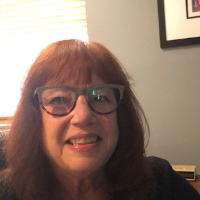
She presents as warm and conversational in sessions. Susan focuses on practical steps people can take when stress, anxiety, anger, or life transitions feel overwhelming.
Background and approach
She also helps with relationship and parenting concerns, addiction-related problems, grief, and career shifts. Her approach is to help clients build tools and confidence so they can try new ways of handling difficult moments. Sessions combine listening with concrete strategies drawn from familiar therapy methods.
Susan uses cognitive behavioral ideas to spot unhelpful patterns and client-centered listening to follow each person's goals. She also draws on motivational interviewing and solution-focused techniques when people want clear short-term steps. Susan tailors the pace of work to each person.
Some people come for coaching around career or sobriety goals, while others want ongoing support through separation, blended family changes, or parenting stress. She emphasizes straightforward discussion and goal-setting. Her practice supports people working through eating and intimacy-related issues, forgiveness and shame, and feelings of emptiness or isolation.
Sessions are offered in English and scheduled to fit busy lives, using a range of communication formats to match what clients prefer.
What Susan works with
Everything Susan lists, in the therapist's own terms. Anger is the reason this directory exists; the rest tells you what usually sits alongside it in Susan's practice.
- Stress, Anxiety
- Relationship issues
- Parenting issues
- Self esteem
- Coaching
- Addictions
- Family conflicts
- Trauma and abuse
- Grief
- Intimacy-related issues
- Eating disorders
- Anger management
- Career difficulties
- Depression
- Coping with life changes
- Avoidant personality
- Blended family issues
- Commitment issues
- Communication problems
- Control issues
- Divorce and separation
- Eating and food-related issues
- Emptiness
- Fatherhood issues
- Forgiveness
- Guilt and shame
- Infidelity
- Isolation / loneliness
- Jealousy
- Life purpose
- Midlife crisis
- Post-traumatic stress
- Self-harm
- Sexual assault and abuse
- Social anxiety and phobia
- Somatization
- Women's issues
- Workplace issues
- Young adult issues
Approaches Susan lists
- Client-Centered Therapy
- Cognitive Behavioral Therapy (CBT)
- Motivational Interviewing
- Narrative Therapy
- Solution-Focused Therapy
Listing an approach is not evidence of training in it. This directory copies what each therapist names and does not check training records.
Approaches that translate to online care
Client-Centered Therapy centers on listening and following each person's pace, helping people feel heard and decide what matters most. For someone coping with anger, relationship strain, or life change, this approach prioritizes the client's goals and personal strengths.Cognitive Behavioral Therapy, or CBT, focuses on spotting patterns of thought and behavior that keep problems going and practicing alternative responses. It is useful for anxiety, depression, anger management, and changing habits because it gives clear skills to try between sessions.
Motivational Interviewing helps when people feel stuck or uncertain about change. It uses guided conversation to strengthen a person's own reasons for shifting behavior, which can support goals around addiction, health, or career moves.
Finding the right approach is a collaborative process. The therapist will talk with the client about goals and preferences, try methods that fit, and adjust over time so work stays practical and relevant.
Online sessions are offered as video calls, phone sessions, live chat, or text-based messaging to match different needs. Video is helpful for interactive skill work and a fuller conversational feel. Phone sessions can fit shorter breaks or lower bandwidth. Live chat and text messaging allow quick check-ins and ongoing support without a scheduled call. These options make it easier to keep therapy part of a busy life.
Questions people ask about Susan
What concerns does she help address?
Susan works with stress, anxiety, anger, depression, grief, relationship and parenting challenges, addictions, career issues, and life transitions. She also supports people facing intimacy, eating, and family role concerns.
How would you describe her therapeutic style?
Her style is warm and conversational, combining listening with practical strategies. She focuses on building skills and clear steps people can use between sessions.
What is her professional background?
She has 30 years of experience and has worked in community programs, schools, and day programs while training other social workers. Her graduate degree is from Adelphi University.
Where is she licensed and based?
She holds the credentials LCSW and LCSW-R and practices in New York.
Which languages are offered for sessions?
Sessions are offered in English only and international clients are not accepted at this time.
What session formats are available?
Sessions may be scheduled as video calls, phone sessions, live chat, or text-based messaging to fit different needs and schedules.
How is payment handled and what does it cost?
Cost varies with location and therapist availability. Sessions use a subscription that can be canceled at any time.
How do I begin working with her?
Begin by selecting the Start Therapy button, completing a short matching questionnaire, and then scheduling according to therapist availability.