Works with
How Suzanne works
Practical facts
- Credentials
- LPC
- Licensed in
- Texas
- Years in practice
- 21
- Languages
- English
- Session format
- Online, through our partner platform
About Suzanne
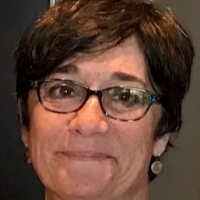
Suzanne Alley is a Licensed Professional Counselor (LPC) in Texas who uses a client-centered style to help people manage strong emotions and stressful life moments. She brings 21 years of experience to sessions and focuses on practical steps for clearer thinking and healthier behavior. Suzanne concentrates on concerns such as anxiety, depression, anger, addiction, trauma, and issues related to sexuality and identity.
She helps clients unpack painful events, build coping skills, and find better ways to respond when emotions run high.
Background and approach
Conversations are aimed at simple, usable changes rather than abstract ideas. Her work often includes exploring how the past affects present choices and relationships. Clients can expect a calm tone, direct talk about patterns that cause distress, and guidance toward small habits that reduce overwhelm.
Suzanne pays attention to how stress, grief, and life changes show up in everyday routines. She also supports people facing caregiving strain, end-of-life concerns, and other challenges that come with aging or long-term illness. Addiction, mood disorders, and co-occurring concerns are addressed with focused, step-by-step plans and motivational strategies to encourage change.
Suzanne uses a mix of approaches to fit each person - from problem-solving and short-term goal work to trauma-focused care when past wounds need attention. Her goal is to help people gain more control over reactions, increase self-respect, and move toward a life that feels more manageable and meaningful.
What Suzanne works with
Everything Suzanne lists, in the therapist's own terms. Anger is the reason this directory exists; the rest tells you what usually sits alongside it in Suzanne's practice.
- Stress, Anxiety
- Addictions
- LGBT
- Trauma and abuse
- Depression
- Relationship issues
- Family conflicts
- Grief
- Intimacy-related issues
- Parenting issues
- Anger management
- Self esteem
- Career difficulties
- Bipolar disorder
- Coping with life changes
- Coaching
- Compassion fatigue
- ADHD
- Aging and geriatric issues
- Caregiver issues and stress
- Co-morbidity
- Coping with natural or human-caused disaster
- Dissociation
- Drug and alcohol addiction
- Family of origin issues
- Forgiveness
- Gender dysphoria
- Guilt and shame
- Hospice and end-of-life counseling
- Isolation / loneliness
- Life purpose
- Midlife crisis
- Mood disorders
- Multicultural concerns
- Obsessions, compulsions, and OCD
- Personality disorders
- Polyamory / non-monogamous relationships
- Post-traumatic stress
- Prejudice and discrimination
- Process addiction (porn, exercise, gambling)
- Seasonal Affective Disorder (SAD)
- Self-love
- Sexual assault and abuse
- Sexuality
- Social anxiety and phobia
- Women's issues
- Young adult issues
Approaches Suzanne lists
- Client-Centered Therapy
- Cognitive Behavioral Therapy (CBT)
- Motivational Interviewing
- Solution-Focused Therapy
- Trauma-Focused Therapy
Listing an approach is not evidence of training in it. This directory copies what each therapist names and does not check training records.
Client-centered work online with practical therapy methods
Client-centered therapy focuses on understanding each person's perspective and building trust. The therapist listens closely, reflects what she hears, and helps people identify their own next steps. This approach is useful for improving self-esteem, making sense of identity questions, and handling everyday stressors.Cognitive Behavioral Therapy (CBT) looks at how thoughts, feelings, and actions connect. It teaches simple skills to notice unhelpful thoughts and try different behaviors that reduce anxiety, anger, or low mood. Motivational Interviewing helps people find personal reasons to change and increases confidence to follow through on goals like reducing substance use or improving routines.
Finding the right approach is a collaborative process. The therapist will talk with clients about goals, try methods that fit their preferences, and adjust tools over time. Together they pick strategies that feel doable and relevant to the person's life.
Online sessions offer flexibility through video calls, phone sessions, live chat, and text-based messaging. Video is good for face-to-face conversation and visual cues, phone works with lower bandwidth or when camera use is difficult, live chat and messaging are useful for short check-ins and ongoing support between sessions. These options make it easier to fit therapy into work, caregiving, or travel schedules while keeping treatment consistent.
Questions people ask about Suzanne
What kinds of concerns does Suzanne address?
She works with stress, anxiety, depression, anger, addictions, trauma, relationship and intimacy issues, grief, parenting strain, ADHD, and related life changes.
What is her approach in sessions?
Her work is client-centered and practical, using tools from cognitive behavioral therapy, motivational interviewing, solution-focused therapy, and trauma-focused methods to set clear goals and build coping skills.
How much clinical experience does she have?
She has 21 years of experience working with a wide range of concerns and life stages in therapeutic settings.
Where is Suzanne licensed and practicing?
She is a Licensed Professional Counselor, LPC, licensed in Texas and provides services from that state.
Which languages are offered for sessions?
Sessions are offered in English.
What session formats are available?
Sessions are offered as video calls, phone sessions, live chat, and text-based messaging to fit different schedules and preferences.
How does pricing and payment work?
Costs vary with location and therapist availability; sessions use a subscription model that can be canceled at any time.
How do I begin working with Suzanne?
Start by selecting the Start Therapy button, complete a short matching questionnaire, and schedule sessions according to the therapist's availability.