Works with
- Anger
- LGBT
- Relationship issues
- Career difficulties
- Coping with life changes
- Coaching
How Tamara works
Practical facts
- Credentials
- LCSW
- Licensed in
- Virginia
- Years in practice
- 11
- Languages
- English
- Session format
- Online, through our partner platform
About Tamara
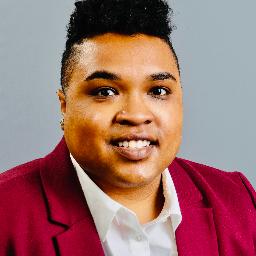
Dr. Tamara Hall meets people where they are and helps them find clearer ways forward. She is a Licensed Clinical Social Worker with 11 years of experience.
Her manner is warm and interactive, and she focuses on practical steps people can use right away to manage stress, anger, and relationship struggles. She uses a conversational style that centers the person's goals. Sessions aim to identify what matters most, clarify patterns that get in the way, and test small changes that build new habits.
Background and approach
That approach is useful for common worries like anxiety, low self-esteem, work stress, and life transitions. Her background includes years of clinical social work in Virginia and a mix of therapy approaches. Dr.
Hall blends Acceptance and Commitment Therapy, client-centered work, Emotionally-Focused Therapy, the Gottman Method, and motivational interviewing to shape each plan. She adapts methods to fit each person's situation rather than applying a single formula. People often come for help with relationship and intimacy questions, career and purpose concerns, or family and caregiving stress.
She also supports those dealing with anger, compassion fatigue, and the effects of separation or blended family changes. Sessions are offered in English and can take place through video calls, phone sessions, live chat, or text-based messaging. Starting involves a brief matching questionnaire and scheduling a time that works for the individual.
Dr. Hall describes therapy as a collaborative process where clients' values guide the work. Her focus is on practical change and clearer communication so people can move toward more stable daily routines and more satisfying relationships.
What Tamara works with
Everything Tamara lists, in the therapist's own terms. Anger is the reason this directory exists; the rest tells you what usually sits alongside it in Tamara's practice.
- LGBT
- Relationship issues
- Career difficulties
- Coping with life changes
- Coaching
- Stress, Anxiety
- Family conflicts
- Intimacy-related issues
- Anger management
- Self esteem
- Compassion fatigue
- Abandonment
- Attachment issues
- Blended family issues
- Caregiver issues and stress
- Commitment issues
- Communication problems
- Control issues
- Coping with natural or human-caused disaster
- Divorce and separation
- Family problems
- First responder issues
- Forgiveness
- Infidelity
- Jealousy
- Life purpose
- Men's issues
- Midlife crisis
- Veteran and Armed Forces Issues
- Money and financial issues
- Multicultural concerns
- Polyamory / non-monogamous relationships
- Self-love
- Sexuality
- Social anxiety and phobia
- Women's issues
- Workplace issues
- Young adult issues
Approaches Tamara lists
- Acceptance and Commitment Therapy (ACT)
- Client-Centered Therapy
- Emotionally-Focused Therapy (EFT)
- Gottman Method
- Motivational Interviewing
- Narrative Therapy
- Solution-Focused Therapy
- Trauma-Focused Therapy
Listing an approach is not evidence of training in it. This directory copies what each therapist names and does not check training records.
Therapy approaches and how they work online
Acceptance and Commitment Therapy, or ACT, helps people notice unhelpful thoughts and choose actions that match their values. It is useful for stress, anger, and when someone feels stuck and wants clearer direction. Client-Centered Therapy focuses on creating a supportive conversation where the person sets the pace and goals, which helps with self-esteem and life transitions. Emotionally-Focused Therapy centers on emotions in close relationships and helps people identify feelings, change interactions, and rebuild trust and connection.Finding the right approach is part of the work. Dr. Hall will talk with the person about goals and preferences, then try techniques that match those needs. Together they review what helps and adjust the plan so the therapy stays useful and practical.
Online sessions can make it easier to fit therapy into busy lives. Video calls let the therapist and client see each other's expressions during relationship or emotion-focused work. Phone sessions can be lower bandwidth and easier to schedule during a break at work. Live chat and text-based messaging support brief check-ins, coaching-style prompts, or ongoing reflection between full sessions. These options give flexibility while keeping the focus on practical change and clearer communication.
Questions people ask about Tamara
What concerns does she help with?
She works with issues like anger, anxiety, relationship and intimacy concerns, career and life changes, self-esteem, and compassion fatigue.
What is her general therapy style?
Her style is warm and interactive, focusing on conversation that identifies goals, patterns, and small changes to try between sessions.
How long has she practiced?
She has 11 years of experience as a Licensed Clinical Social Worker practicing in Virginia.
Where is she based and licensed?
She is licensed as a clinical social worker in Virginia and conducts practice from that state.
Which languages are supported?
Sessions are offered in English.
Can people outside the U.S. work with her?
International clients are not currently accepted.
What session formats are available?
She offers video calls, phone sessions, live chat, and text-based messaging to fit different schedules and needs.
How do I begin working together?
Start by selecting the Start Therapy button, complete a short matching questionnaire, and then schedule sessions based on therapist availability.