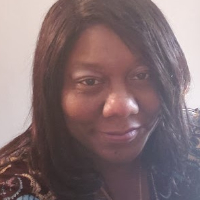
Thea Cristwell-Butler, LPC, LMHC
Helping people manage strong emotions and life changes
Book with TheaWorks with
- Anger
- Stress, Anxiety
- Family conflicts
- Grief
- Parenting issues
- Depression
How Thea works
Practical facts
- Credentials
- LPC, LMHC
- Licensed in
- Texas, Florida
- Years in practice
- 14
- Languages
- English
- Session format
- Online, through our partner platform
About Thea
Thea Cristwell-Butler is a Licensed Professional Counselor (LPC) and Licensed Mental Health Counselor (LMHC) with 14 years of clinical experience. She practices from Texas and brings a calm, straightforward approach to clients who are struggling with strong emotions or life transitions. Thea focuses on practical strategies that help people manage stress, anxiety, depression, and anger.
She also supports those dealing with relationship strain, parenting challenges, grief, trauma and abuse, and issues around self-esteem and intimacy.
Background and approach
Her work often includes attention to family-of-origin concerns, communication and control issues, and difficulties linked to ADHD. Before independent practice she spent over a decade in nonprofit agencies, schools, and community settings. That background shaped her to be adaptable and down-to-earth when talking about real-life problems.
She uses a mix of methods aimed at changing unhelpful thoughts, improving emotional awareness, and building doable habits. In sessions Thea tends to be collaborative and present-focused. She listens closely, helps people name what matters to them, and coaches small steps they can try between meetings.
Many clients come for help stabilizing emotions, coping with life changes, or learning new ways to respond when anger or anxiety rise. Her training includes approaches such as Acceptance and Commitment Therapy, Client-Centered Therapy, Cognitive Behavioral Therapy, Emotionally-Focused Therapy, and Mindfulness Therapy. Thea works in English and is based in Texas.
What Thea works with
Everything Thea lists, in the therapist's own terms. Anger is the reason this directory exists; the rest tells you what usually sits alongside it in Thea's practice.
- Stress, Anxiety
- Family conflicts
- Grief
- Parenting issues
- Depression
- Relationship issues
- Trauma and abuse
- Intimacy-related issues
- Anger management
- Self esteem
- Career difficulties
- Coping with life changes
- ADHD
- Abandonment
- Avoidant personality
- Blended family issues
- Caregiver issues and stress
- Commitment issues
- Communication problems
- Control issues
- Disruptive Mood Dysregulation Disorder (DMDD)
- Emptiness
- Family of origin issues
- Family problems
- Fatherhood issues
- Forgiveness
- Guilt and shame
- Infidelity
- Isolation / loneliness
- Jealousy
- Life purpose
- Mood disorders
- Multicultural concerns
- Post-traumatic stress
- Prejudice and discrimination
- Women's issues
- Workplace issues
- Young adult issues
Approaches Thea lists
- Acceptance and Commitment Therapy (ACT)
- Client-Centered Therapy
- Cognitive Behavioral Therapy (CBT)
- Emotionally-Focused Therapy (EFT)
- Mindfulness Therapy
- Motivational Interviewing
- Narrative Therapy
- Solution-Focused Therapy
- Trauma-Focused Therapy
Listing an approach is not evidence of training in it. This directory copies what each therapist names and does not check training records.
How therapeutic approaches translate to online care
Acceptance and Commitment Therapy helps people clarify what matters to them and take action toward those values. It often focuses on accepting difficult thoughts and feelings while building life directions that feel meaningful. Cognitive Behavioral Therapy looks at the links between thoughts, feelings, and behaviors and teaches specific skills to shift unhelpful thinking patterns and reduce distress.Finding the best approach is part of the work together. Thea will talk with each person about goals, preferences, and what has or hasn’t helped before. She collaborates to adjust methods over time so the approach fits the client’s needs and everyday life.
Online sessions are offered via video calls, phone sessions, live chat, or text-based messaging to provide flexibility. Video calls allow face-to-face interaction for skills practice and emotional work. Phone sessions are useful when less bandwidth or no camera is preferred. Live chat and text messaging let people check in between meetings or have shorter, more frequent touchpoints during busy weeks.
Questions people ask about Thea
What concerns does Thea commonly address?
She helps people with stress, anxiety, depression, anger, grief, and trauma-related issues. She also works with parenting challenges, relationship strain, self-esteem, career transitions, and ADHD-related concerns.
How would you describe her therapy style?
Her style is collaborative and practical. She listens closely, helps set clear goals, and suggests hands-on strategies to try between sessions.
What experience does Thea bring to sessions?
She has 14 years of experience working in nonprofit agencies, schools, and community settings, which shaped a flexible, real-world approach to care.
What are her credentials and where is she located?
She holds LPC and LMHC credentials and practices from Texas.
Which languages are supported for sessions?
Sessions are offered in English.
What session formats are available with her?
She offers video calls, phone sessions, live chat, and text-based messaging to fit different needs and schedules.
How is cost handled for sessions?
Cost varies by location and therapist availability; sessions use a subscription that can be canceled at any time.
What is the first step to begin working together?
Start by selecting the Start Therapy button and completing a short matching questionnaire, then schedule sessions according to therapist availability.