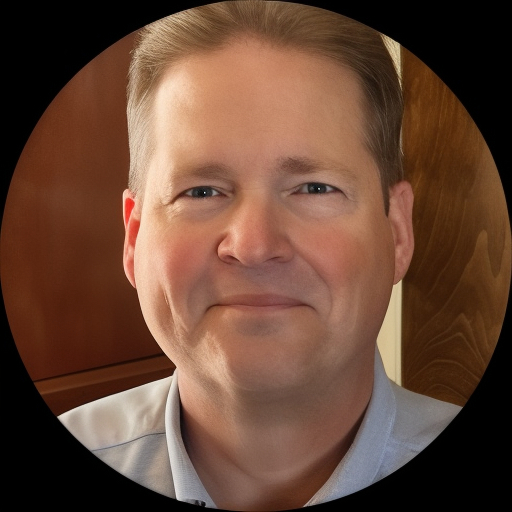
Thomas Hazen, LCMHC
Experienced LCMHC focused on emotional regulation and relationships
Book with ThomasWorks with
- Anger
- Stress, Anxiety
- Relationship issues
- Trauma and abuse
- Anger management
- Depression
How Thomas works
- Not listed
Practical facts
- Credentials
- LCMHC
- Licensed in
- Utah
- Years in practice
- 20
- Languages
- English
- Session format
- Online, through our partner platform
About Thomas
Thomas Hazen is a licensed clinician who helps people facing stress, anger, anxiety, depression, relationship strain, and trauma. He brings 20 years of experience and a calm, straightforward manner to sessions. Thomas speaks English and practices from Utah as an LCMHC - Licensed Clinical Mental Health Counselor.
He focuses on practical steps people can use right away. Sessions center on understanding what drives strong emotions and then building skills to respond differently.
Background and approach
Thomas prioritizes clear communication, emotion regulation, and repairing connections where possible. His background includes two decades working with adults who face life transitions, chronic health challenges, and complicated grief or loss. He has supported people dealing with domestic violence, addiction, and caregiver stress, among other concerns.
That experience shapes a flexible approach that adapts to each person's situation. In the therapy room he listens first and helps set realistic goals next. Together clients and he map out small, achievable changes and track progress over time.
He pays attention to patterns such as codependency, abandonment worries, or difficulty expressing needs. Thomas uses evidence-based techniques tailored to each person. He helps people improve communication, manage intense feelings, and handle workplace or family pressure.
For someone looking for steady, experienced guidance through emotional upheaval, he offers a direct, compassionate path forward.
What Thomas works with
Everything Thomas lists, in the therapist's own terms. Anger is the reason this directory exists; the rest tells you what usually sits alongside it in Thomas's practice.
- Stress, Anxiety
- Relationship issues
- Trauma and abuse
- Anger management
- Depression
- Abandonment
- Aging and geriatric issues
- Autism and Asperger Syndrome
- Caregiver issues and stress
- Chronic pain, illness, and disability
- Codependency
- Communication problems
- Coping with natural or human-caused disaster
- Disruptive Mood Dysregulation Disorder (DMDD)
- Divorce and separation
- Domestic violence
- Drug and alcohol addiction
- Family problems
- First responder issues
- Forgiveness
- Guilt and shame
- Impulsivity
- Isolation / loneliness
- Men's issues
- Veteran and Armed Forces Issues
- Mood disorders
- Obsessions, compulsions, and OCD
- Panic disorder and panic attacks
- Paranoia
- Personality disorders
- Phobias
- Postpartum depression
- Post-traumatic stress
- Process addiction (porn, exercise, gambling)
- Seasonal Affective Disorder (SAD)
- Self-harm
- Self-love
- Sexual assault and abuse
- Social anxiety and phobia
- Women's issues
- Young adult issues
Approaches for managing strong emotions online
Thomas uses evidence-based therapeutic techniques that focus on changing unhelpful patterns and building coping skills. One common approach emphasizes emotion regulation and behavior change - it teaches specific tools for recognizing triggers, slowing down intense reactions, and practicing new responses. This approach is useful for anger, anxiety, and mood challenges.He also uses methods that improve communication and relationship skills. These strategies help people express needs clearly, set boundaries, and repair conflicts without escalating tension. That work often targets relationship strain and chronic interpersonal stress.
Finding the right approach is a collaborative process. The therapist will work with each person to identify goals, try techniques, and adjust the plan based on what helps most. Clients and the therapist decide together which methods fit their needs and preferences.
Online sessions are offered by video calls, phone sessions, live chat, and text-based messaging to provide flexibility. Video is useful for deeper conversations, phone calls suit shorter check-ins or low bandwidth, live chat supports brief exchanges during a busy day, and text messaging works for ongoing, day-to-day support. These options make it easier to fit therapy into work, caregiving, or medical schedules while keeping consistent contact with a licensed professional.
Questions people ask about Thomas
What kinds of concerns does Thomas address?
He works with stress, anxiety, anger, depression, relationship struggles, trauma and abuse, plus related issues like caregiver strain, addiction, and chronic illness.
How would you describe his therapeutic style?
His style is practical and collaborative, focusing on understanding emotions, building coping skills, and improving communication in everyday life.
What is his professional background?
He has 20 years of experience supporting adults through mood disorders, trauma, life transitions, and complex stressors.
What credentials and region should I know about?
He is an LCMHC - Licensed Clinical Mental Health Counselor practicing in Utah.
In which language are sessions offered?
Sessions are offered in English and international clients are not accepted.
What session formats are available?
Sessions can be held via video calls, phone sessions, live chat, or text-based messaging.
How are costs handled for sessions?
Cost varies with location and therapist availability; sessions use a subscription that can be canceled at any time.
How do I begin working with him?
Select the Start Therapy button, complete a short matching questionnaire, and schedule according to therapist availability.