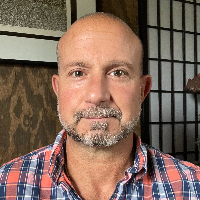
How Timothy works
Practical facts
- Credentials
- LPCC
- Licensed in
- Ohio
- Years in practice
- 22
- Languages
- English
- Session format
- Online, through our partner platform
About Timothy
Timothy Welch is a Licensed Professional Clinical Counselor with more than two decades of practice. He aims to make the first steps into therapy less intimidating and works with each person to set clear goals. He frames therapy as a collaborative process where the client helps guide what feels most useful.
He brings experience treating stress, anxiety, addiction, depression, grief, trauma, bipolar concerns, and anger. He also supports people facing relationship strain, parenting challenges, work issues, and life transitions.
Background and approach
His background includes long-term work in addiction recovery and trauma healing. Timothy uses straightforward talk, practical tools, and accountability when it helps. He offers life coaching and sober coaching alongside counseling when people want additional structure or skill-building.
He emphasizes learning from a person's story rather than judging it. His professional path includes community mental health, crisis intervention, inpatient work, drug and alcohol rehabilitation, and group programs for people in recovery. He has worked in shelters and hospice settings and in programs for youth and families.
Those experiences shape a practical, down-to-earth approach. Timothy earned a bachelor’s degree in psychology from John Carroll University and a master’s degree in counseling and human development from Walsh University. He holds the credential LPCC and maintains a telehealth practice for clients in Ohio and beyond.
He also authors books and provides resources for people seeking extra support. People who choose him can expect direct conversation, clear steps to try between sessions, and a focus on rebuilding strengths and managing anger, addiction, or intense stress.
What Timothy works with
Everything Timothy lists, in the therapist's own terms. Anger is the reason this directory exists; the rest tells you what usually sits alongside it in Timothy's practice.
- Stress, Anxiety
- Addictions
- Self esteem
- Depression
- Coping with life changes
- LGBT
- Relationship issues
- Family conflicts
- Trauma and abuse
- Grief
- Intimacy-related issues
- Eating disorders
- Sleeping disorders
- Parenting issues
- Anger management
- Career difficulties
- Bipolar disorder
- Coaching
- Compassion fatigue
- ADHD
- Abandonment
- Adoption and foster care
- Antisocial personality
- Attachment issues
- Autism and Asperger Syndrome
- Avoidant personality
- Blended family issues
- Body image
- Caregiver issues and stress
- Chronic pain, illness, and disability
- Co-morbidity
- Codependency
- Commitment issues
- Communication problems
- Control issues
- Coping with natural or human-caused disaster
- Dependent personality
- Disruptive Mood Dysregulation Disorder (DMDD)
- Divorce and separation
- Drug and alcohol addiction
- Eating and food-related issues
- Emptiness
- Family of origin issues
- Family problems
- Fatherhood issues
- Fertility issues
- First responder issues
- Forgiveness
- Guilt and shame
- Impulsivity
- Isolation / loneliness
- Jealousy
- Life purpose
- Men's issues
- Midlife crisis
- Veteran and Armed Forces Issues
- Mood disorders
- Multicultural concerns
- Narcissism
- Obsessions, compulsions, and OCD
- Panic disorder and panic attacks
- Personality disorders
- Phobias
- Postpartum depression
- Post-traumatic stress
- Prejudice and discrimination
- Process addiction (porn, exercise, gambling)
- Seasonal Affective Disorder (SAD)
- Self-harm
- Self-love
- Smoking / vaping cessation
- Social anxiety and phobia
- Somatization
- Workplace issues
Approaches Timothy lists
- Client-Centered Therapy
- Cognitive Behavioral Therapy (CBT)
- Dialectical Behavior Therapy (DBT)
- Emotionally-Focused Therapy (EFT)
- Existential Therapy
- Eye Movement Desensitization and Reprocessing (EMDR)
- Mindfulness Therapy
- Motivational Interviewing
- Narrative Therapy
- Solution-Focused Therapy
- Somatic Therapy
- Trauma-Focused Therapy
Listing an approach is not evidence of training in it. This directory copies what each therapist names and does not check training records.
How therapeutic approaches shape online work
Client-Centered Therapy focuses on listening and responding to what matters most to the person. The therapist creates space for people to describe their goals, and sessions follow the client’s pace to build trust and clarity.Cognitive Behavioral Therapy, or CBT, breaks problems into thoughts, feelings, and actions. It uses simple experiments and practice tasks to reduce anxiety, manage anger, and change unhelpful thinking patterns.
Dialectical Behavior Therapy, or DBT, teaches practical skills for emotional regulation, distress tolerance, and clearer communication. It can be especially useful for strong emotional reactions and recurring self-destructive patterns.
Finding the right approach is part of the work. The therapist will review your concerns, goals, and preferences and suggest methods to try. This is a collaborative decision and can change as you progress.
Online sessions offer practical flexibility. Video calls let you work face to face from different locations. Phone sessions can be a lower-bandwidth option when video is difficult. Live chat and text messaging support brief check-ins, reminders, and quick problem solving between longer sessions. This mix of formats helps fit therapy into busy days and makes ongoing practice and accountability easier.
Questions people ask about Timothy
What concerns does he help with?
He addresses stress, anxiety, addictions, depression, trauma, grief, anger, career strain, and many related concerns such as ADHD, body image, and caregiver stress.
What is his therapeutic style?
He emphasizes a collaborative, client-centered approach that mixes talk with practical tools. Sessions often include steps to try between meetings and coaching-style accountability when useful.
How much experience does he have?
He has 22 years of experience working in clinical counseling, addiction recovery, crisis settings, hospitals, and community programs.
What are his credentials and location?
He holds the LPCC credential and practices from Ohio. He has educational training in psychology and counseling from institutions in Ohio.
Which languages and international options exist?
Sessions are offered in English and he accepts international clients for online work.
What session formats are available?
He works with video calls, phone sessions, live chat, and text-based messaging to fit different needs and schedules.
How does cost and billing work?
Cost varies with location and therapist arrangements; sessions use a subscription model that can be canceled at any time. Insurance may be accepted for clients in Ohio or Florida.
How do I get started?
Begin by selecting the Start Therapy button, completing a short matching questionnaire, and scheduling based on the therapist's listed availability.