Works with
- Anger
- Stress, Anxiety
- Trauma and abuse
- Bipolar disorder
- Depression
- Compassion fatigue
How Tracey works
Practical facts
- Credentials
- LPC
- Licensed in
- Georgia
- Years in practice
- 27
- Languages
- English
- Session format
- Online, through our partner platform
About Tracey
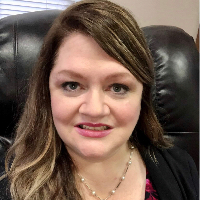
Tracey Byram is a Licensed Professional Counselor (LPC) with 27 years of experience. She helps people dealing with stress, anxiety, depression, anger, and addiction. She also supports those facing grief, parenting strain, workplace pressure, and the ups and downs of life changes.
Tracey blends practical approaches so sessions feel straightforward and useful. She uses Cognitive Behavioral Therapy (CBT) to help people spot unhelpful thoughts and try new behaviors. She draws on Acceptance and Commitment Therapy (ACT) to help clients clarify values and take meaningful action.
Background and approach
Dialectical Behavior Therapy (DBT) skills are offered for emotion regulation and distress tolerance. Her work is collaborative and down-to-earth. She aims to make plans that fit daily life and goals.
Conversations focus on concrete steps - what to practice between sessions and how to handle setbacks. Tracey has long experience with a wide range of issues, including trauma and bipolar disorder. She is also experienced supporting LGBT people and addressing attachment-related concerns.
Most clients find her style practical and encouraging when making changes. Sessions may use video calls, phone sessions, live chat, or text-based messaging to suit different needs. Tracey works from Georgia and communicates in English.
What Tracey works with
Everything Tracey lists, in the therapist's own terms. Anger is the reason this directory exists; the rest tells you what usually sits alongside it in Tracey's practice.
- Stress, Anxiety
- Trauma and abuse
- Bipolar disorder
- Depression
- Compassion fatigue
- Addictions
- LGBT
- Relationship issues
- Family conflicts
- Grief
- Intimacy-related issues
- Eating disorders
- Sleeping disorders
- Parenting issues
- Anger management
- Self esteem
- Career difficulties
- Coping with life changes
- Coaching
- ADHD
- Abandonment
- Adoption and foster care
- Attachment issues
- Autism and Asperger Syndrome
- Avoidant personality
- Blended family issues
- Body image
- Cancer
- Caregiver issues and stress
- Chronic pain, illness, and disability
- Co-morbidity
- Codependency
- Commitment issues
- Communication problems
- Control issues
- Coping with natural or human-caused disaster
- Dependent personality
- Disruptive Mood Dysregulation Disorder (DMDD)
- Dissociation
- Divorce and separation
- Domestic violence
- Eating and food-related issues
- Emptiness
- Family of origin issues
- Family problems
- Fatherhood issues
- Fertility issues
- First responder issues
- Forgiveness
- Gender dysphoria
- Guilt and shame
- Hoarding
- Impulsivity
- Infidelity
- Isolation / loneliness
- Jealousy
- Life purpose
- Men's issues
- Midlife crisis
- Veteran and Armed Forces Issues
- Money and financial issues
- Mood disorders
- Multicultural concerns
- Obsessions, compulsions, and OCD
- Panic disorder and panic attacks
- Paranoia
- Personality disorders
- Phobias
- Postpartum depression
- Post-traumatic stress
- Pregnancy and childbirth
- Seasonal Affective Disorder (SAD)
- Self-harm
- Self-love
- Sexual assault and abuse
- Sexuality
- Social anxiety and phobia
- Somatization
- Traumatic brain injury
- Trichotillomania
- Women's issues
- Workplace issues
- Young adult issues
Approaches Tracey lists
- Acceptance and Commitment Therapy (ACT)
- Attachment-Based Therapy
- Client-Centered Therapy
- Cognitive Behavioral Therapy (CBT)
- Dialectical Behavior Therapy (DBT)
- Emotionally-Focused Therapy (EFT)
- Existential Therapy
- Imago Relationship Therapy
- Jungian Therapy
- Mindfulness Therapy
- Motivational Interviewing
- Narrative Therapy
- Psychodynamic Therapy
- Solution-Focused Therapy
- Somatic Therapy
- Trauma-Focused Therapy
- Systemic Therapy
Listing an approach is not evidence of training in it. This directory copies what each therapist names and does not check training records.
How therapeutic approaches translate to online care
Acceptance and Commitment Therapy (ACT) helps people notice painful thoughts and feelings while choosing actions that match their values. It can be useful for anxiety, anger, and life transitions where finding direction matters. Cognitive Behavioral Therapy (CBT) focuses on identifying unhelpful thoughts and testing new behaviors to reduce symptoms like anxiety and depression. CBT works well when someone wants concrete tools and short-term practice. Dialectical Behavior Therapy (DBT) teaches emotion regulation, distress tolerance, and interpersonal effectiveness skills that help with intense emotions and impulse control.Finding the best approach is part of the work. The therapist will talk with each person about goals, preferences, and what has or hasn’t helped before. Together they decide which methods to try, and they adjust the plan as progress is made.
Online therapy is offered via video calls, phone sessions, live chat, or text-based messaging to make sessions fit a busy life. Video is useful for deeper conversations and skill practice, phone sessions can work when bandwidth is low, and messaging lets people check in between appointments. These options make it easier to keep regular contact, practice skills in daily life, and fit therapy around school, work, or caregiving demands.
Questions people ask about Tracey
What concerns does Tracey help with?
She supports people with stress, anxiety, depression, anger, addictions, grief, parenting strain, ADHD, and many related concerns.
How would you describe her therapy style?
Her approach is practical and collaborative, focusing on clear steps and skills people can use between sessions.
What is her professional background?
She has 27 years of clinical experience working with a broad range of issues including trauma, bipolar disorder, and attachment concerns.
What credentials and location are listed?
She is a Licensed Professional Counselor (LPC) practicing in Georgia.
Which languages are supported and can she see international clients?
Sessions are offered in English and international clients are not currently accepted.
What session formats are available?
Sessions can be scheduled as video calls, phone sessions, live chat, or text-based messaging to fit different needs.
How is cost handled?
Cost varies with location and therapist availability; sessions use a subscription that can be canceled at any time.
How do I begin working with Tracey?
Select the Start Therapy button, complete the short matching questionnaire, and schedule according to therapist availability.