Works with
- Anger
- Stress, Anxiety
- Relationship issues
- Anger management
- Depression
- Coping with life changes
How Tunjua works
Practical facts
- Credentials
- LMHC
- Licensed in
- Florida
- Years in practice
- 26
- Languages
- English
- Session format
- Online, through our partner platform
About Tunjua
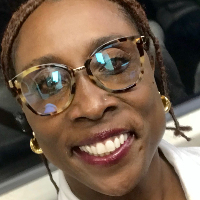
Tunjua Nathaniel is a licensed mental health counselor who helps people facing stress, anxiety, anger, depression, and relationship struggles. She brings 26 years of experience and a calm, practical style to sessions. People looking for straightforward help with life changes or addictive patterns often find her approach clear and steady.
She focuses on listening first to understand what matters most to each person. Sessions aim to break large problems into smaller steps that feel manageable.
Background and approach
Practical skills for coping, communication, and emotional regulation are part of the work together. Tunjua draws on several clinical approaches to match the needs of the person in front of her. She uses client-centered methods to follow each person’s pace, cognitive behavioral techniques to shift unhelpful thinking, and tools from dialectical behavior therapy for emotion regulation.
Eye movement desensitization and reprocessing and emotionally-focused ideas are used when trauma or relationship patterns are central concerns. Her background in Florida includes helping people with grief, parenting stress, identity concerns, and career strain. She also supports those dealing with attention challenges, mood disorders such as bipolar, and compassion fatigue from caregiving roles.
Work often includes improving communication and repairing attachment wounds. Tunjua keeps language simple and concrete during sessions. She aims to teach skills people can use between visits so progress carries into daily life.
For those interested in online options, she offers video, phone, chat, and text formats to fit different schedules and needs.
What Tunjua works with
Everything Tunjua lists, in the therapist's own terms. Anger is the reason this directory exists; the rest tells you what usually sits alongside it in Tunjua's practice.
- Stress, Anxiety
- Relationship issues
- Anger management
- Depression
- Coping with life changes
- Addictions
- LGBT
- Family conflicts
- Trauma and abuse
- Grief
- Intimacy-related issues
- Parenting issues
- Self esteem
- Career difficulties
- Bipolar disorder
- Compassion fatigue
- ADHD
- Abandonment
- Antisocial personality
- Attachment issues
- Avoidant personality
- Blended family issues
- Caregiver issues and stress
- Codependency
- Commitment issues
- Communication problems
- Control issues
- Dependent personality
- Disruptive Mood Dysregulation Disorder (DMDD)
- Divorce and separation
- Emptiness
- Family problems
- Forgiveness
- Guilt and shame
- Impulsivity
- Infidelity
- Jealousy
- Life purpose
- Mood disorders
- Narcissism
- Panic disorder and panic attacks
- Process addiction (porn, exercise, gambling)
- Self-love
- Sexuality
- Workplace issues
- Young adult issues
Approaches Tunjua lists
- Client-Centered Therapy
- Cognitive Behavioral Therapy (CBT)
- Dialectical Behavior Therapy (DBT)
- Emotionally-Focused Therapy (EFT)
- Eye Movement Desensitization and Reprocessing (EMDR)
- Mindfulness Therapy
- Motivational Interviewing
- Solution-Focused Therapy
- Trauma-Focused Therapy
Listing an approach is not evidence of training in it. This directory copies what each therapist names and does not check training records.
How therapeutic approaches translate to online care
Client-centered therapy focuses on following the person's lead and creating an accepting environment. Online, that means conversations begin with the client’s priorities and pace, whether on video or in messages. Cognitive behavioral therapy, or CBT, looks at patterns of thinking and behavior and teaches practical skills to change them. In remote sessions CBT can include homework, thought records, and brief skills practice between meetings.Finding the right approach is a collaborative process. The therapist will talk with the person about goals and preferences and suggest which methods to try first. They will check in and adjust the plan over time so the approach stays aligned with what is working.
Online therapy offers flexibility in how to meet. Video calls let you use visual cues and longer conversational work, phone sessions can be easier when bandwidth is limited, and live chat or text-based messaging supports shorter check-ins or day-to-day skill coaching. These options make it easier to fit sessions around work, caregiving, or travel while keeping consistent momentum toward goals.
Questions people ask about Tunjua
What concerns does Tunjua help with?
She works with stress, anxiety, anger, depression, relationship problems, trauma, grief, addiction, parenting strain, and related issues listed in her specialties.
What is her therapeutic style like?
Her style is practical and person-centered, focusing on listening first, then teaching skills for coping, communication, and emotion regulation.
How much experience does she have?
She has 26 years of experience working in the mental health field and brings long-term clinical practice to sessions.
What credentials and location are on her profile?
She is a Florida licensed mental health counselor, listed as LMHC, and is based in Florida.
Are sessions offered in other languages or internationally?
Sessions are offered in English, and she accepts international clients.
Which session formats are available?
She provides video calls, phone sessions, live chat, and text-based messaging to fit different schedules and preferences.
How does payment and cost work?
Cost varies with location and therapist availability; sessions use a subscription model that can be canceled at any time.
What are the first steps to begin working together?
Use the Start Therapy button, complete a short matching questionnaire, and schedule sessions according to the therapist's availability.