Works with
- Anger
- Addictions
- Relationship issues
- Intimacy-related issues
- Depression
How Tynese works
Practical facts
- Credentials
- LCSW, LMSW
- Licensed in
- Kentucky, Michigan, Arizona, South Carolina
- Years in practice
- 18
- Languages
- English
- Session format
- Online, through our partner platform
About Tynese
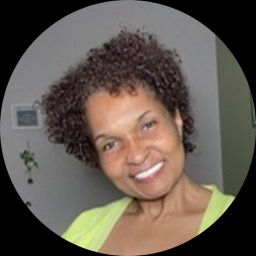
Tynese Vinson is a licensed clinical social worker who helps people facing anger, anxiety, depression, relationship strains, and addiction. She brings 18 years of experience and a calm, direct approach to conversations about intimacy, grief, self-esteem, and life transitions.
She works with adults on issues such as parenting stress, career concerns, eating and sleeping problems, and challenges linked to trauma or bipolar disorder. Her sessions are warm and interactive. She listens first and then offers practical tools people can try between meetings.
Background and approach
She adapts her style to each person, mixing talking, skill-building, and reflective work to match what a person needs right now. Her background includes social work licenses in Kentucky and Michigan. She combines client-centered work with cognitive-behavioral and emotion-focused ideas.
She also uses elements of dialectical behavior techniques and EMDR when appropriate to address trauma-related distress. People often come to her wanting help with communication problems, control issues, codependency, or navigating gender and intimacy questions. She also supports those dealing with aging or end-of-life concerns, blended family dynamics, and complicated grief.
Sessions focus on clear goals and real steps. She helps clients break down problems into manageable parts, practice new skills, and track progress. Her approach respects each person’s pace while encouraging the work needed for change.
What Tynese works with
Everything Tynese lists, in the therapist's own terms. Anger is the reason this directory exists; the rest tells you what usually sits alongside it in Tynese's practice.
- Addictions
- Relationship issues
- Intimacy-related issues
- Depression
- Stress, Anxiety
- LGBT
- Family conflicts
- Trauma and abuse
- Grief
- Eating disorders
- Sleeping disorders
- Parenting issues
- Anger management
- Self esteem
- Career difficulties
- Bipolar disorder
- Coping with life changes
- Aging and geriatric issues
- Attachment issues
- BDSM, kink, and alternative sex culture
- Blended family issues
- Codependency
- Commitment issues
- Communication problems
- Control issues
- Family of origin issues
- Family problems
- Gender dysphoria
- Guilt and shame
- Hospice and end-of-life counseling
- Infidelity
- Life purpose
- Obsessions, compulsions, and OCD
- Personality disorders
- Polyamory / non-monogamous relationships
- Postpartum depression
- Pregnancy and childbirth
- Seasonal Affective Disorder (SAD)
- Self-love
- Sex addiction
- Sexual dysfunction
- Smoking / vaping cessation
- Women's issues
- Young adult issues
Approaches Tynese lists
- Client-Centered Therapy
- Cognitive Behavioral Therapy (CBT)
- Dialectical Behavior Therapy (DBT)
- Emotionally-Focused Therapy (EFT)
- Eye Movement Desensitization and Reprocessing (EMDR)
- Hypnotherapy
- Imago Relationship Therapy
- Motivational Interviewing
- Narrative Therapy
- Solution-Focused Therapy
Listing an approach is not evidence of training in it. This directory copies what each therapist names and does not check training records.
Therapeutic approaches that translate well to online care
Client-Centered Therapy focuses on listening, empathy, and following what matters most to the person. It helps people feel heard and guides conversations toward their priorities. Cognitive Behavioral Therapy (CBT) looks at how thoughts, feelings, and behaviors interact and teaches concrete skills to reduce symptoms like anxiety or depression. Dialectical Behavior Therapy (DBT) adds skills for emotion regulation, distress tolerance, and clearer communication, which can be useful for anger and relationship challenges.Finding the right approach is part of the work. The therapist will collaborate with each person to decide which methods to try first. Treatment plans are adjusted over time based on what is helpful and what the person wants to achieve.
Online therapy offers flexibility through video calls, phone sessions, live chat, and text-based messaging. Video sessions support face-to-face conversation and skills practice. Phone calls can be easier when bandwidth is limited or a quieter setting is needed. Live chat and messaging are useful for brief check-ins, homework exchanges, or getting support between sessions. These options make it simpler to fit therapy into busy schedules while working toward clear goals.
Questions people ask about Tynese
What kinds of concerns does she help with?
She works with adults around anger, anxiety, depression, addictions, relationship and intimacy issues, grief, parenting stress, eating and sleeping problems, bipolar disorder, and coping with life changes.
How would you describe her therapy style?
Her style is warm and interactive. She listens closely, offers practical tools, and tailors sessions to match each person’s needs and goals.
What is her experience and background?
She has 18 years of clinical experience and a background in social work, helping adults with a wide range of emotional and relationship concerns.
What credentials and location are listed?
She holds LCSW and LMSW credentials and is licensed in Kentucky and Michigan, working from Kentucky for local clients.
Which languages and international options are available?
Sessions are offered in English and she accepts international clients.
What session formats are offered?
She provides video calls, phone sessions, live chat, and text-based messaging to fit different schedules and needs.
How does payment and cost work?
Cost varies by location and therapist availability; sessions use a subscription model that can be canceled at any time.
How do I begin working together?
Start by selecting the Start Therapy button, complete a short matching questionnaire, and then schedule sessions according to the therapist’s availability.