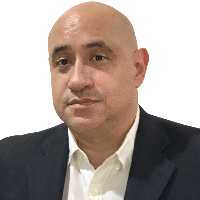
Works with
How Victor works
Practical facts
- Credentials
- LMHC
- Licensed in
- New York
- Years in practice
- 23
- Languages
- English, Spanish
- Session format
- Online, through our partner platform
About Victor
Dr. Victor Franco supports people facing anger and related concerns such as stress, anxiety, trauma, depression, and addiction. He greets clients in English or Spanish and draws on 23 years of clinical experience as a licensed mental health counselor (LMHC) in New York.
His approach is straightforward and practical, aimed at helping people manage strong feelings and get back to daily life. He uses tools from cognitive behavioral approaches to spot unhelpful thinking and change reactions.
Background and approach
Acceptance and Commitment Therapy ideas help people notice painful emotions without being driven by them. Attachment-based work focuses on how early relationship patterns can shape current conflicts and intimacy struggles. Victor describes therapy as a collaborative effort.
Sessions are conversational and goal-focused. He helps people build skills for emotional regulation, communication, and problem solving that they can use outside sessions. He has worked extensively with trauma survivors and with people in the LGBT community.
That experience informs how he frames issues like anger, identity, and relationship tension. He also supports concerns tied to grief, parenting stress, body image, and caregiving pressure. Clients may find his style direct but empathetic, with an emphasis on small, practical changes.
He blends insight about patterns with step-by-step strategies. The aim is clearer thinking, steadier mood, and safer ways to express anger. Dr.
Franco holds the LMHC credential and practices from New York. He also accepts international clients and works with people across a wide range of life and career struggles.
What Victor works with
Everything Victor lists, in the therapist's own terms. Anger is the reason this directory exists; the rest tells you what usually sits alongside it in Victor's practice.
- Stress, Anxiety
- Addictions
- LGBT
- Trauma and abuse
- Depression
- Relationship issues
- Family conflicts
- Grief
- Intimacy-related issues
- Eating disorders
- Parenting issues
- Anger management
- Self esteem
- Career difficulties
- Bipolar disorder
- Abandonment
- Aging and geriatric issues
- Antisocial personality
- Attachment issues
- BDSM, kink, and alternative sex culture
- Body image
- Cancer
- Caregiver issues and stress
- Co-morbidity
- Codependency
- Commitment issues
- Communication problems
- Control issues
- Coping with natural or human-caused disaster
- Dependent personality
- Dissociation
- Divorce and separation
- Domestic violence
- Drug and alcohol addiction
- Emptiness
- Family of origin issues
- Family problems
- Fatherhood issues
- First responder issues
- Forgiveness
- Gender dysphoria
- Guilt and shame
- HIV / AIDS
- Hoarding
- Hospice and end-of-life counseling
- Immigration issues
- Impulsivity
- Infidelity
- Isolation / loneliness
- Jealousy
- Life purpose
- Men's issues
- Midlife crisis
- Veteran and Armed Forces Issues
- Mood disorders
- Multicultural concerns
- Narcissism
- Obsessions, compulsions, and OCD
- Panic disorder and panic attacks
- Paranoia
- Personality disorders
- Phobias
- Polyamory / non-monogamous relationships
- Postpartum depression
- Post-traumatic stress
- Pregnancy and childbirth
- Prejudice and discrimination
- Process addiction (porn, exercise, gambling)
- Seasonal Affective Disorder (SAD)
- Self-harm
- Self-love
- Sex addiction
- Sexual assault and abuse
- Sexual dysfunction
- Sexuality
- Social anxiety and phobia
- Somatization
- Traumatic brain injury
- Trichotillomania
- Women's issues
- Workplace issues
- Young adult issues
Approaches Victor lists
- Acceptance and Commitment Therapy (ACT)
- Attachment-Based Therapy
- Client-Centered Therapy
- Cognitive Behavioral Therapy (CBT)
- Existential Therapy
- Imago Relationship Therapy
- Jungian Therapy
- Mindfulness Therapy
- Motivational Interviewing
- Psychodynamic Therapy
- Solution-Focused Therapy
- Trauma-Focused Therapy
Listing an approach is not evidence of training in it. This directory copies what each therapist names and does not check training records.
Therapeutic approaches for online anger and emotion work
Acceptance and Commitment Therapy (ACT) helps people notice painful thoughts and feelings without letting them dictate actions. It emphasizes values-guided behavior and practical exercises that reduce the power of anger and anxiety in daily life.Cognitive Behavioral Therapy (CBT) focuses on identifying unhelpful thought patterns and changing reactions through skill practice. This approach is useful for anger, anxiety, depression, and patterns that keep problems stuck.
Attachment-Based Therapy looks at how early relationship experiences shape current ways of relating and reacting. It can help with intimacy issues, communication problems, and patterns of control or avoidance that fuel anger.
Finding the right approach is part of the work. The therapist will talk with each person about their goals and preferences and then try methods that fit. Sessions are collaborative changes are paced to what feels useful.
Online sessions offer real flexibility. Video calls let the therapist see nonverbal cues and support deeper conversations. Phone sessions can work when bandwidth is limited or for brief check-ins. Live chat and text-based messaging are helpful for short updates, coaching between sessions, or when writing feels easier than talking.
These options make it simpler to fit therapy into a busy life, travel schedule, or different time zones while working with a licensed professional who uses ACT, CBT, and attachment-based ideas.
Questions people ask about Victor
What concerns does Dr. Franco address?
He supports people struggling with anger, stress, anxiety, addiction, trauma, depression, relationship and intimacy issues, and related concerns across a broad range.
What is his general therapy style?
Sessions are conversational and collaborative, with a focus on practical skills for managing emotion, improving communication, and changing unhelpful patterns.
How much experience does he have?
He has 23 years of experience working in mental health settings, including extensive work with trauma survivors and people in the LGBT community.
Where does Dr. Franco practice and what are his credentials?
He practices in New York and holds the LMHC credential, specifically a New York LMHC.
Which languages are offered for sessions?
Sessions are offered in English and Spanish.
What session formats are available?
He offers video calls, phone sessions, live chat, and text-based messaging to fit different schedules and needs.
How are fees and payment handled?
Cost varies with location and therapist availability; sessions are provided through a subscription that can be canceled at any time.
How do I begin working with him?
Use the Start Therapy button, complete a short matching questionnaire, and schedule sessions according to the therapist's availability.