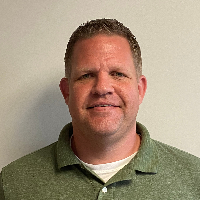
William "Bill" Blundell, LCPC
Practical, down-to-earth counselor focused on progress
Book with WilliamWorks with
- Anger
- Stress, Anxiety
- Grief
- Anger management
- Depression
- Coping with life changes
How William works
Practical facts
- Credentials
- LCPC
- Licensed in
- Illinois
- Years in practice
- 17
- Languages
- English
- Session format
- Online, through our partner platform
About William
William "Bill" Blundell is a Licensed Clinical Professional Counselor (LCPC) practicing in Illinois. He has worked in counseling since 2007 and has held the LCPC credential since 2010. Bill combines practical experience from clinical work, probation services, and teaching in a university counseling program.
Bill keeps his approach relaxed and direct. He listens without judgment and uses humor when it fits. He says counseling should meet people where they are and help them take steps they want to take.
Background and approach
His background includes long experience with depression, anxiety, stress, anger, and addictions. He has spent additional time learning about obsessive-compulsive concerns and continues to support people with a wide range of life challenges. He also works with issues related to loss, relationship problems, career strain, ADHD, and intimacy concerns.
Bill draws on therapeutic approaches such as Acceptance and Commitment Therapy, Cognitive Behavioral Therapy, Dialectical Behavior Therapy, Mindfulness, and Motivational Interviewing. He uses these methods to help people build skills, change unhelpful patterns, and clarify values. Outside of therapy work he teaches courses on substance abuse, grief and loss, and human growth and development.
He also works in probation, which informs his practical, problem-focused style. Bill aims to help people feel heard and take manageable steps toward the changes they want.
What William works with
Everything William lists, in the therapist's own terms. Anger is the reason this directory exists; the rest tells you what usually sits alongside it in William's practice.
- Stress, Anxiety
- Grief
- Anger management
- Depression
- Coping with life changes
- Addictions
- LGBT
- Relationship issues
- Family conflicts
- Trauma and abuse
- Intimacy-related issues
- Eating disorders
- Sleeping disorders
- Parenting issues
- Self esteem
- Career difficulties
- Bipolar disorder
- Compassion fatigue
- ADHD
- Adoption and foster care
- Antisocial personality
- Attachment issues
- Autism and Asperger Syndrome
- BDSM, kink, and alternative sex culture
- Body image
- Codependency
- Commitment issues
- Communication problems
- Dissociation
- Divorce and separation
- Domestic violence
- Drug and alcohol addiction
- Eating and food-related issues
- Family problems
- First responder issues
- Gender dysphoria
- Hoarding
- Impulsivity
- Infidelity
- Men's issues
- Midlife crisis
- Mood disorders
- Narcissism
- Obsessions, compulsions, and OCD
- Panic disorder and panic attacks
- Paranoia
- Process addiction (porn, exercise, gambling)
- Seasonal Affective Disorder (SAD)
- Self-harm
- Sexuality
- Social anxiety and phobia
- Trichotillomania
- Workplace issues
- Young adult issues
Approaches William lists
- Acceptance and Commitment Therapy (ACT)
- Cognitive Behavioral Therapy (CBT)
- Dialectical Behavior Therapy (DBT)
- Mindfulness Therapy
- Motivational Interviewing
- Solution-Focused Therapy
- Trauma-Focused Therapy
Listing an approach is not evidence of training in it. This directory copies what each therapist names and does not check training records.
Therapeutic approaches and online options
Acceptance and Commitment Therapy helps people notice tough thoughts and feelings and still act on what matters to them. It is useful when someone wants to move toward valued goals while managing difficult emotions. Cognitive Behavioral Therapy focuses on the links between thoughts, feelings, and behaviors and teaches practical techniques for changing unhelpful patterns. It often helps with anxiety, depression, and stress management. Dialectical Behavior Therapy emphasizes skill building in emotion regulation, distress tolerance, and effective communication, which can be useful for people struggling with intense emotions.Choosing the right approach is a collaborative process. Bill will talk with a client about goals, preferences, and what has or hasn't helped in the past. Together they decide which techniques to try and adjust the plan as progress is made.
Online therapy offers flexible ways to meet. Video calls allow face-to-face conversation; phone sessions work well if video is difficult or bandwidth is limited. Live chat and text-based messaging let people check in between sessions or use shorter, more frequent communication. These options make it easier to fit counseling around work, family, and daily life while using the approaches above to build skills and work toward goals.
Questions people ask about William
What kinds of concerns does Bill help with?
He works with stress, anxiety, grief, anger, depression, addictions, relationship and intimacy issues, and many life changes.
How would you describe his therapy style?
Bill uses a relaxed, direct approach and listens without judgment. He often blends practical skill work with conversational, values-based planning.
What is his professional background?
He has worked in counseling since 2007 and has 17 years of experience documented in clinical and teaching roles.
Where is he licensed and based?
He holds an LCPC credential in Illinois and practices there.
In which languages can sessions be held?
Sessions are offered in English.
What session formats are available online?
Sessions can be conducted by video calls, phone sessions, live chat, or text-based messaging.
How does billing and cost work?
Cost varies with location and therapist availability; sessions use a subscription that can be canceled at any time.
How do I begin working with him?
Select the Start Therapy button, complete a short matching questionnaire, and schedule according to therapist availability.