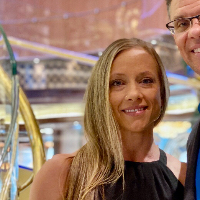
Angela (Angie) LeMay, LMHC
Experienced Washington counselor focused on personal change
Book with AngelaWorks with
- Anger
- Family conflicts
- Eating disorders
- Self esteem
- Depression
- Coping with life changes
How Angela works
Practical facts
- Credentials
- LMHC
- Licensed in
- Washington
- Years in practice
- 23
- Languages
- English
- Session format
- Online, through our partner platform
About Angela
Angela (Angie) LeMay is a Licensed Mental Health Counselor with 23 years of experience. She practices in Washington and supports people facing a wide range of life challenges. Angie keeps sessions direct and practical so clients can focus on real change.
Over two decades Angie has worked in community mental health centers, boys ranch settings, group homes, and independent practice. She holds a degree in Marriage and Family Therapy from Seattle Pacific University and has spent much of her career helping individuals across many life stages.
Background and approach
Her background includes work with depression, anxiety, ADHD, bipolar mood concerns, addiction, and self-harm behaviors. Angie pays attention to the person behind the concern. She listens first, then helps people identify strengths they can build on.
Clients often come for help with stress, coping with life changes, parenting, grief, body image, and anger. Angie also addresses deeper issues like emptiness, guilt and shame, and problems with intimacy. Her style is collaborative and flexible.
She uses tools from Client-Centered Therapy, Cognitive Behavioral Therapy, Narrative Therapy, Solution-Focused Therapy, and Systemic Therapy to tailor work to each person. Sessions can include practical exercises, new ways of telling one’s story, and focused problem-solving. People who prefer a straightforward, supportive approach tend to connect with Angie.
She aims to guide clients toward clearer goals and small, steady changes. Many clients appreciate a mix of listening, coaching, and homework that fits everyday life.
What Angela works with
Everything Angela lists, in the therapist's own terms. Anger is the reason this directory exists; the rest tells you what usually sits alongside it in Angela's practice.
- Family conflicts
- Eating disorders
- Self esteem
- Depression
- Coping with life changes
- Stress, Anxiety
- Addictions
- Relationship issues
- Trauma and abuse
- Grief
- Intimacy-related issues
- Parenting issues
- Anger management
- Career difficulties
- Bipolar disorder
- ADHD
- Body image
- Control issues
- Emptiness
- Forgiveness
- Guilt and shame
- Life purpose
- Midlife crisis
- Self-love
Approaches Angela lists
- Client-Centered Therapy
- Cognitive Behavioral Therapy (CBT)
- Narrative Therapy
- Solution-Focused Therapy
- Systemic Therapy
Listing an approach is not evidence of training in it. This directory copies what each therapist names and does not check training records.
Approaches that translate well to online therapy
Client-Centered Therapy focuses on the person’s own experience. The therapist listens closely and follows the client’s lead to build understanding and self-trust. This approach helps when someone needs acceptance, clearer self-direction, or support through a life transition.Cognitive Behavioral Therapy, or CBT, looks at how thoughts, feelings, and actions link together. It uses concrete tools and small experiments to reduce anxiety, manage mood, and change unhelpful patterns. CBT works well for stress, depression, and many day-to-day struggles.
Narrative Therapy helps people separate themselves from problems by rewriting the stories they tell about their lives. It can be useful for issues like low self-esteem, body image, and unresolved shame by finding alternative, more helpful storylines.
Choosing the right mix of approaches is part of the work. The therapist will collaborate with each person to match methods to their needs, goals, and preferences. Sessions often shift over time as goals change and progress is made.
Online therapy offers flexible ways to connect. Video calls let people work face-to-face when that feels most helpful. Phone sessions can be easier when bandwidth is limited or a quicker check-in is needed. Live chat and text-based messaging make it possible to share thoughts between sessions or get support without scheduling a full video visit. These options help fit therapy into busy lives and different routines.
Questions people ask about Angela
What kinds of concerns can Angie help with?
She works with many issues including depression, anxiety, stress, addictions, anger, parenting, eating concerns, bipolar disorder, ADHD, trauma and grief.
What is her general approach to therapy?
Her style is collaborative and straightforward. She listens first, then uses practical exercises and problem-solving to help clients reach their goals.
How much experience does she have?
She has 23 years of professional experience across community mental health, residential settings, and independent practice.
What credentials and location are listed?
She is a Licensed Mental Health Counselor (LMHC) practicing in Washington.
Are sessions offered in other languages or internationally?
Sessions are offered in English and Angela accepts international clients.
Which session formats are available?
She offers video calls, phone sessions, live chat, and text-based messaging to fit different needs and schedules.
How is cost handled for sessions?
Cost varies with location and therapist availability; sessions use a subscription that can be canceled at any time.
How do I begin working with Angie?
Start by selecting the Start Therapy button, complete a short matching questionnaire, and schedule according to therapist availability.