Works with
- Anger
- Stress, Anxiety
- Relationship issues
- Family conflicts
- Coping with life changes
- Compassion fatigue
How Bertha works
Practical facts
- Credentials
- LPC
- Licensed in
- South Carolina
- Years in practice
- 8
- Languages
- English
- Session format
- Online, through our partner platform
About Bertha
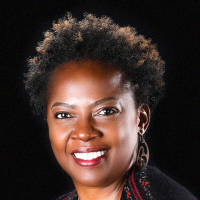
Bertha Myers is a Licensed Professional Counselor (LPC) who helps people manage anger, stress, anxiety, and life changes. She offers steady support for relationship and family concerns, grief, addiction, and parenting struggles. Her style is straightforward and compassionate, aimed at practical change rather than jargon.
Bertha focuses on building skills people can use day to day. She listens first, then works with each person to set clear, achievable goals. Sessions often include strategies for emotion regulation, problem solving, and improving communication.
Background and approach
Her approach draws on several methods. Cognitive Behavioral Therapy, mindfulness practices, and solution-focused techniques are used to reduce intense feelings and shift unhelpful patterns. Narrative ideas help people reframe difficult stories from their past and notice strengths they may have missed.
Bertha has eight years of clinical experience and holds an LPC credential. She practices in South Carolina and supports adults dealing with depression, bipolar concerns, compassion fatigue, and addiction-related issues. She also addresses concerns such as abandonment, attachment, and caregiver stress.
Work with Bertha is collaborative. She helps people connect their values to everyday choices and teaches concrete tools for coping. Many clients find this practical, skills-based approach useful for calming strong emotions and rebuilding confidence.
If someone wants a clear plan and steady support while working through anger and related concerns, Bertha takes a paced, person-focused approach to get there.
What Bertha works with
Everything Bertha lists, in the therapist's own terms. Anger is the reason this directory exists; the rest tells you what usually sits alongside it in Bertha's practice.
- Stress, Anxiety
- Relationship issues
- Family conflicts
- Coping with life changes
- Compassion fatigue
- Addictions
- Trauma and abuse
- Grief
- Parenting issues
- Anger management
- Self esteem
- Career difficulties
- Bipolar disorder
- Depression
- Coaching
- Abandonment
- Aging and geriatric issues
- Attachment issues
- Autism and Asperger Syndrome
- Blended family issues
- Body image
- Caregiver issues and stress
- Codependency
- Commitment issues
- Communication problems
- Control issues
- Dependent personality
- Divorce and separation
- Domestic violence
- Drug and alcohol addiction
- Emptiness
- Family of origin issues
- Family problems
- Fatherhood issues
- Forgiveness
- Guilt and shame
- Hoarding
- Hospice and end-of-life counseling
- Infidelity
- Isolation / loneliness
- Jealousy
- Life purpose
- Midlife crisis
- Veteran and Armed Forces Issues
- Money and financial issues
- Mood disorders
- Narcissism
- Post-traumatic stress
- Pregnancy and childbirth
- Prejudice and discrimination
- Self-love
- Social anxiety and phobia
- Women's issues
- Workplace issues
- Young adult issues
Approaches Bertha lists
- Client-Centered Therapy
- Cognitive Behavioral Therapy (CBT)
- Mindfulness Therapy
- Narrative Therapy
- Solution-Focused Therapy
- Internal Family Systems
Listing an approach is not evidence of training in it. This directory copies what each therapist names and does not check training records.
Approach, online care, and practical options
Bertha commonly uses Cognitive Behavioral Therapy and Mindfulness Therapy in online sessions. CBT focuses on identifying and changing unhelpful thoughts and behaviors, which can reduce anger and anxiety. Mindfulness Therapy teaches simple attention and breathing practices to lower emotional intensity and increase present-moment awareness.She also draws on Client-Centered Therapy to create a respectful, nonjudgmental space. That approach emphasizes listening and reflecting so clients feel understood and can guide the pace of change. Choosing the right mix of approaches is collaborative; the therapist will work with each person to match methods to their goals and preferences.
Online sessions are offered by video call, phone, live chat, or text-based messaging to suit different needs. Video is useful for in-depth work and face-to-face interaction, phone calls can be lower bandwidth and easier to fit into a break, live chat supports shorter check-ins, and text messaging can help people who prefer writing or need ongoing reminders and coaching. These options make therapy more flexible for busy schedules and varying comfort levels.
Questions people ask about Bertha
What concerns does she address?
She supports people with anger, stress, anxiety, depression, bipolar symptoms, grief, addictions, relationship and family concerns, and parenting challenges.
How would you describe her therapeutic style?
Her style is collaborative and practical. She listens closely, sets clear goals, and teaches tools that clients can use between sessions.
What is her professional background?
She has eight years of clinical experience and focuses on helping people through life transitions, trauma, compassion fatigue, and communication problems.
What credentials and location are listed?
She holds an LPC credential and practices in South Carolina.
Which languages are supported and can she work internationally?
Sessions are offered in English. International clients are not currently accepted.
What session formats are available?
She offers video calls, phone sessions, live chat, and text-based messaging to fit different needs and schedules.
How does payment and cost work?
Cost varies with location and therapist availability; sessions use a subscription that can be canceled at any time.
What are the steps to begin therapy?
Start by selecting the Start Therapy button, complete a short matching questionnaire, and then schedule sessions based on the therapist's availability.