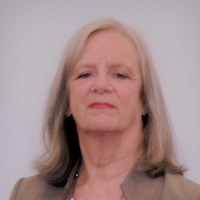
Antonia Graves
LISW-CP
Compassionate, practical support for strong emotions
- State
- South Carolina
- Experience
- 16 years
- Languages
- English
- Also works with
- Stress, Anxiety, Relationship, Family, Self esteem
255 therapists based in South Carolina list anger among the things they work with. Sessions are online; a therapist can usually only see people in the states where they hold a licence, so check each profile.
Welcome to Find Anger Therapists for South Carolina. All therapists listed here are licensed in their disciplines and offer online sessions to residents of the state.
Browse therapist profiles to compare approaches, credentials, languages, and areas of focus, then reach out to begin a conversation that fits your needs.
Compassionate, practical support for strong emotions
Calm, practical counseling for life’s pressures
Calm, practical support for daily challenges
Compassionate counselor for anger and life stress
Practical, person-centered counseling for strong emotions
Calm, practical support for strong emotions
Calm, practical support for everyday challenges
Experienced counselor for emotional regulation
Calm, practical support for intense emotions
Practical support for strong emotions and stress
Compassionate, practical care for life challenges
Compassionate counselor for emotional regulation and life stress
Practical counselor for emotion and relationship work
Calm guidance for stress, anger, and relationships
Practical, values-based support for emotional challenges
Calm, practical help for everyday struggles
Practical, goal-focused support for change
Therapist who focuses on practical change
Calm, practical help for strong emotions
Practical support for strong emotions and relationships
Calm, practical counseling for strong emotions
Calm, practical support for strong emotions
Practical guidance for stress and anger management
Practical support for strong emotions
Calm-focused counseling for everyday challenges
Calm, practical care for stress and anger
Calm, practical support for emotional challenges
Compassionate counselor focused on practical coping skills
Straightforward support for managing anger and stress
Experienced clinician focusing on practical change
Calm, direct support for strong emotions
Compassionate counselor for anger and life stress
Practical support for managing strong emotions
Compassionate counselor focused on practical change
Compassionate counselor focused on practical coping
Creative social worker blending talk and arts
Calm, practical counseling for everyday challenges
Gentle practical support for life changes
Calm, practical support for everyday challenges
Practical support for anger and everyday stress
Compassionate, practical therapy for everyday struggles
Strength-focused counselor for life transitions
Calm, practical help for strong emotions
Compassionate clinician for practical change
Calm thinking, steady action
Compassionate counselor helping people manage strong feelings
Practical, seasoned therapist for life transitions
Practical, relationship-centered help for strong emotions
Some links on this page are partner links. We will earn a commission if you sign up through one, at no cost to you. It does not change what you pay or the order of the listings.
If you live in South Carolina and are considering online therapy, you will find a growing number of licensed mental health professionals offering remote sessions. Telehealth options have expanded over recent years, and many therapists who work in this state provide counseling through video calls, phone sessions, and other virtual formats. Because telehealth rules are governed at the state level, licensed practitioners who list online therapy among their services do so within the regulatory framework that applies to South Carolina. That means you can often connect with a counselor, social worker, marriage and family therapist, or psychologist who practices from another office location but meets the state requirements to work with clients located in South Carolina.
Online therapy can be delivered in different formats, and therapists commonly note in their profiles the platforms or technologies they use so you can determine what matches your comfort level. Profiles also typically describe the therapist's professional background, the populations they serve, and the kinds of concerns they address. When you search listings, you can look for therapists who list anger management or related approaches among their specialties, and who offer remote sessions tailored to adults, adolescents, couples, or families as needed.
You may be drawn to online therapy for practical reasons that fit your lifestyle. Remote sessions reduce travel time and make it simpler to fit counseling into a workday, school schedule, or family life when in-person appointments are difficult to coordinate. If you live in a rural part of South Carolina, online therapy can increase access to clinicians who specialize in anger management and related areas, without the need for long drives. For many people, the convenience of attending sessions from home or another convenient location is the most obvious benefit.
Beyond convenience, online therapy can preserve continuity when your routine changes. You can continue sessions while traveling or during transitional periods if you and your therapist agree that remote sessions work for your goals. Online therapy also gives you a chance to review therapist profiles in detail before you reach out, so you can find clinicians who list approaches and experience that resonate with you. Many people find that the remote format helps them feel more at ease opening up about anger, stress, and relationship issues because they are in a familiar setting. To make the most of this format, plan for a quiet, quiet space and a reliable internet connection for video sessions.
Online therapists in South Carolina often work with people on a wide range of concerns that intersect with anger. You can find counselors who list anger management, stress reduction, trauma-related symptoms, anxiety, depression, relationship conflict, parenting challenges, and substance-related patterns among their focus areas. Many therapists accept clients who are coping with work-related stress, family tension, divorce or separation, grief, and the emotional effects of chronic health conditions. Some clinicians explicitly mention working with adolescents or adults who struggle with impulsive reactions or difficulty managing intense emotions.
When you read profiles, you may notice that some therapists list particular approaches among their methods of working. For example, therapists who list cognitive-behavioral strategies among their approaches might highlight skills for noticing thought patterns and testing new responses. Therapists who list mindfulness-based approaches among their methods may emphasize present-moment awareness and techniques to reduce physiological reactivity. Therapists who list EMDR among their approaches may note that it is used in the context of trauma work. These descriptions can help you identify clinicians whose style and areas of emphasis align with the kind of support you are seeking. Remember that a therapist listing an approach does not indicate specific certification - it simply reflects what they include in their practice descriptions.
Verifying a therapist's license is an important step when you are considering online counseling. You should confirm that the clinician holds an active license in a discipline appropriate for the services you want. In South Carolina, several state boards oversee professional licenses, including the South Carolina Board of Examiners for Licensure of Professional Counselors, the South Carolina Board of Social Work Examiners, and the South Carolina Board of Examiners in Psychology. Each board maintains an online license lookup or directory where you can search by name, license number, or city to confirm license status and see any public disciplinary history.
To verify a license, start by gathering the therapist's full name and any professional title listed in their profile. Use the state board's online lookup to check that the license is active and that the license type matches the services you expect. Pay attention to the issue and expiration dates listed on the public record, and review any public actions or restrictions that the board publishes. If you have questions after searching online, boards typically provide phone numbers or email contact options to request clarification. It is also reasonable to ask a prospective therapist directly about their license type and how long they have practiced in South Carolina, which can supplement the information you find on state websites.
Starting therapy begins with a few small decisions. Think about what you want to address in counseling and how you prefer to do it. You might prioritize therapists who list anger management or emotion regulation among their focus areas, or you may prefer clinicians who list particular approaches, such as cognitive-behavioral strategies, mindfulness-informed methods, or trauma-focused work. Consider practical factors like whether you want sessions by video or phone, the languages a therapist speaks, and whether they describe experience with your age group or cultural background. Taking a moment to list your priorities will make it easier to narrow down profiles and compose an introductory message.
When you review therapist profiles, look for clear descriptions of areas of focus and the populations a clinician works with. Profiles that describe what you can expect from sessions - even in broad terms - can help you gauge whether a therapist might be a good fit. Pay attention to the approaches a therapist lists and how those approaches are explained in relation to anger or the issues you want to address. If language or cultural understanding matters to you, look for clinicians who mention those competencies. You can also note whether a therapist provides information about fees, insurance, or payment options, so you can plan for cost considerations before you reach out.
When you reach out, you can ask questions that matter to you in a direct but simple way. Inquire about the therapist's experience working with anger or the particular challenge you face, how they typically structure online sessions, and what initial steps they recommend. It is appropriate to ask about practical matters like session length and how they handle crisis situations. After one or two conversations you will likely sense whether the therapist's style and communication feel comfortable to you. Remember that fit is personal and may depend on rapport, the therapist's approach, and how you feel during and after sessions. Feeling understood and respected in the initial contacts is a useful indicator that you are on the right track.
Beginning online therapy can feel like a big step, but you do not have to have all the answers before you start. By reviewing profiles, verifying licenses through the appropriate South Carolina licensing board, and preparing a few questions to ask, you can connect with a therapist who lists the kinds of approaches and experience that align with your needs. Take your time to evaluate fit and remember that you are entitled to a professional relationship that supports your goals for managing anger and improving overall emotional health.