Works with
How Cherri works
Practical facts
- Credentials
- LPC, LPC-MHSP
- Licensed in
- Missouri, Tennessee
- Years in practice
- 14
- Languages
- English
- Session format
- Online, through our partner platform
About Cherri
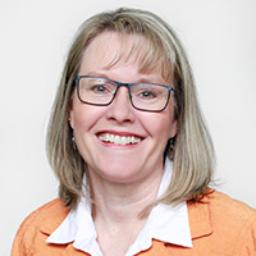
Cherri McCord is a licensed professional counselor who uses a client-centered approach to help people facing stress, anxiety, addictions, depression, anger, and other life challenges. She holds LPC and LPC-MHSP credentials and offers supportive, nonjudgmental sessions for people seeking change. Cherri works from Tennessee and brings 14 years of clinical experience to her practice.
Her style focuses on listening first and shaping goals together. She uses practical tools to manage strong emotions and reduce harmful patterns.
Background and approach
Conversations are straightforward and aimed at skills people can use between sessions. Cherri draws on cognitive behavioral techniques to help people notice unhelpful thoughts and try different behaviors. She also uses dialectical behavior therapy skills and mindfulness strategies to teach coping tools for intense feelings and stress.
Motivational interviewing can help when someone feels stuck or unsure about change. People commonly bring concerns about relationships, parenting stress, career transitions, or substance use. Cherri also supports those dealing with adoption or foster care issues, caregiver strain, fertility matters, and the fallout of infidelity or separation.
Sessions can include problem-solving, emotion regulation skills, and practical steps for everyday life. She encourages clients to set small, achievable goals and tracks progress together. The aim is steady, manageable change rather than overnight fixes.
What Cherri works with
Everything Cherri lists, in the therapist's own terms. Anger is the reason this directory exists; the rest tells you what usually sits alongside it in Cherri's practice.
- Stress, Anxiety
- Addictions
- Depression
- Coping with life changes
- Relationship issues
- Parenting issues
- Anger management
- Self esteem
- Career difficulties
- Bipolar disorder
- Adoption and foster care
- Caregiver issues and stress
- Co-morbidity
- Communication problems
- Control issues
- Divorce and separation
- Domestic violence
- Drug and alcohol addiction
- Fertility issues
- Infidelity
- Isolation / loneliness
- Life purpose
- Midlife crisis
- Narcissism
- Seasonal Affective Disorder (SAD)
- Self-love
- Social anxiety and phobia
- Young adult issues
Approaches Cherri lists
- Client-Centered Therapy
- Cognitive Behavioral Therapy (CBT)
- Dialectical Behavior Therapy (DBT)
- Mindfulness Therapy
- Motivational Interviewing
- Solution-Focused Therapy
Listing an approach is not evidence of training in it. This directory copies what each therapist names and does not check training records.
How therapy approaches translate to online care
Client-centered therapy focuses on listening and building understanding. In online sessions the therapist prioritizes the client's goals and adjusts pacing to match what feels helpful. This approach supports people who want empathetic, steady support while they work through stress, anger, or life changes.Cognitive Behavioral Therapy, or CBT, helps people identify thoughts that lead to upsetting feelings and test new behaviors. Online CBT sessions often include short worksheets or exercises to practice between contacts, which can reduce anxiety and improve problem solving.
Dialectical Behavior Therapy, DBT, emphasizes emotion regulation, distress tolerance, and better communication. Teaching DBT skills online gives people concrete tools to manage intense moments and reduce impulsive reactions like anger outbursts.
Finding the right approach is a team effort. The therapist will discuss goals, preferences, and what has or hasn't worked before, then try methods that fit the person's needs. Adjustments happen as therapy progresses so the plan stays practical and relevant.
Online formats include video calls, phone sessions, live chat, and text-based messaging. Video works well for deeper conversations and skill teaching. Phone sessions can be a lower-bandwidth option when visual connections are not needed. Live chat and messaging fit quick check-ins, brief coaching, or ongoing support between longer sessions. These options make it easier to fit therapy into a busy life and keep momentum on weeks when scheduling is tight.
Questions people ask about Cherri
What kinds of concerns does Cherri work with?
She helps people with stress, anxiety, depression, anger, addictions, and related issues like parenting strain, relationship problems, and career transitions.
What is her therapeutic style like?
Cherri practices a client-centered approach that emphasizes listening and collaboration, paired with skill-based methods like CBT and DBT to address emotions and behaviors.
How much experience does she have?
She has 14 years of professional experience working with a range of mental health and life concerns.
What credentials and location are listed?
She holds LPC and LPC-MHSP credentials and is licensed in Tennessee. Her practice is based in Tennessee.
Which languages are supported for sessions?
Sessions are offered in English.
What session formats are available?
She offers video calls, phone sessions, live chat, and text-based messaging to fit different schedules and needs.
How are fees and payment handled?
Cost varies with location and therapist availability; sessions use a subscription model that can be canceled at any time.
How do I begin working with her?
Choose the Start Therapy button, complete a short matching questionnaire, and then schedule sessions based on the therapist's availability.