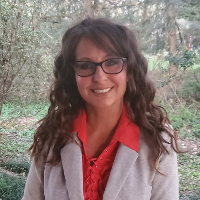
Christina LaBond, LCSW
Practical, trauma-aware therapy for strong emotions
Explore online therapy optionsWorks with
- Anger
- Stress, Anxiety
- LGBT
- Relationship issues
- Trauma and abuse
- Depression
How Christina works
Practical facts
- Credentials
- LCSW
- Licensed in
- North Carolina
- Years in practice
- 8
- Languages
- English
- Session format
- Online, through our partner platform
About Christina
Christina LaBond is a licensed clinical social worker in North Carolina who uses practical, skills-based therapy to help people manage strong emotions like anger and anxiety. She draws on approaches such as cognitive behavioral therapy and acceptance and commitment therapy to help clients learn new ways of coping. Christina has eight years of experience working in outpatient settings and community mental health.
She keeps sessions straightforward and focused on what matters most to the client.
Background and approach
Conversations often include skill practice, real-life problem solving, and attention to how past experiences affect current relationships. The aim is to reduce distressing symptoms while building strengths people can use every day. Christina brings a trauma-aware perspective to her work.
She pays attention to how earlier hurts can shape self-worth, attachment, and feeling safe with others. That lens informs how she talks through relationship problems, grief, and difficulties with trust. Her experience includes group work and clinical work in primary care, community mental health, and court-related settings.
She uses elements of dialectical behavior therapy to teach emotion regulation and distress tolerance skills when those are needed. People who want practical tools often find her approach helpful. Christina focuses on small, achievable steps toward clearer goals.
She helps people identify values, make changes that match those values, and cope better with life’s stressors.
What Christina works with
Everything Christina lists, in the therapist's own terms. Anger is the reason this directory exists; the rest tells you what usually sits alongside it in Christina's practice.
- Stress, Anxiety
- LGBT
- Relationship issues
- Trauma and abuse
- Depression
- Addictions
- Family conflicts
- Grief
- Intimacy-related issues
- Sleeping disorders
- Anger management
- Self esteem
- Bipolar disorder
- Coping with life changes
- Abandonment
- Aging and geriatric issues
- Antisocial personality
- Attachment issues
- Avoidant personality
- BDSM, kink, and alternative sex culture
- Blended family issues
- Body image
- Cancer
- Caregiver issues and stress
- Chronic pain, illness, and disability
- Co-morbidity
- Codependency
- Commitment issues
- Communication problems
- Control issues
- Coping with natural or human-caused disaster
- Dependent personality
- Disruptive Mood Dysregulation Disorder (DMDD)
- Dissociation
- Divorce and separation
- Domestic violence
- Drug and alcohol addiction
- Emptiness
- Family of origin issues
- Family problems
- Fatherhood issues
- Forgiveness
- Gender dysphoria
- Guilt and shame
- HIV / AIDS
- Hoarding
- Impulsivity
- Infidelity
- Isolation / loneliness
- Jealousy
- Life purpose
- Midlife crisis
- Veteran and Armed Forces Issues
- Money and financial issues
- Mood disorders
- Multicultural concerns
- Narcissism
- Obsessions, compulsions, and OCD
- Panic disorder and panic attacks
- Paranoia
- Personality disorders
- Phobias
- Polyamory / non-monogamous relationships
- Postpartum depression
- Post-traumatic stress
- Pregnancy and childbirth
- Prejudice and discrimination
- Process addiction (porn, exercise, gambling)
- Seasonal Affective Disorder (SAD)
- Self-harm
- Self-love
- Sex addiction
- Sexual assault and abuse
- Sexual dysfunction
- Sexuality
- Smoking / vaping cessation
- Social anxiety and phobia
- Somatization
- Trichotillomania
- Women's issues
- Workplace issues
- Young adult issues
Approaches Christina lists
- Acceptance and Commitment Therapy (ACT)
- Attachment-Based Therapy
- Client-Centered Therapy
- Cognitive Behavioral Therapy (CBT)
- Dialectical Behavior Therapy (DBT)
- Emotionally-Focused Therapy (EFT)
- Existential Therapy
- Gottman Method
- Mindfulness Therapy
- Motivational Interviewing
- Narrative Therapy
- Solution-Focused Therapy
- Somatic Therapy
- Trauma-Focused Therapy
- Internal Family Systems
Listing an approach is not evidence of training in it. This directory copies what each therapist names and does not check training records.
Therapeutic approaches that translate well online
Acceptance and Commitment Therapy helps people clarify what matters to them and take small steps toward those values while accepting difficult emotions. It is useful for anxiety, anger, and making life changes. Cognitive Behavioral Therapy focuses on identifying unhelpful thoughts and behaviors and practicing concrete strategies to change them; it often helps with anxiety, depression, sleep, and managing anger.Choosing the right approach is a collaborative process. The therapist will talk with the client about goals, try techniques, and adjust methods based on what fits best. Together they decide which combination of skills and perspectives works for the client’s concerns and daily life.
Online therapy offers flexible ways to connect. Video calls allow face-to-face conversations and practice of skills in real time. Phone sessions can be a lower-bandwidth option when video is not possible. Live chat and text-based messaging make it easier to check in between sessions, send short updates, or get brief coaching during a busy day. These options help fit care into work, family, and other responsibilities while still focusing on progress.
Questions people ask about Christina
What concerns does she address?
She helps people with stress, anxiety, anger, depression, relationships, addictions, grief, intimacy issues, sleep problems, self-esteem, bipolar concerns, and coping with life changes.
What is her general therapy style?
Her style is practical and trauma-aware, using skill practice, problem solving, and attention to how past experiences affect current life.
How much clinical experience does she have?
Christina has eight years of clinical experience providing outpatient and community-based mental health services.
What credentials and location apply to her practice?
She is a Licensed Clinical Social Worker, LCSW, licensed in North Carolina and practices there.
Which languages are supported for sessions?
Sessions are offered in English.
Can people outside the United States work with her?
International clients are not currently accepted; she practices with clients located in North Carolina.
What formats are used for sessions?
She meets with clients through video calls, phone sessions, live chat, and text-based messaging.
How are fees handled and how do I begin?
Cost varies with location and a subscription model is used that can be canceled at any time. To begin, select the Start Therapy button, complete a short matching questionnaire, and schedule according to therapist availability.