Works with
- Anger
- Stress, Anxiety
- Relationship issues
- Family conflicts
- Trauma and abuse
- Parenting issues
How Cindy works
Practical facts
- Credentials
- LCSW
- Licensed in
- Wyoming, North Dakota
- Years in practice
- 30
- Languages
- English
- Session format
- Online, through our partner platform
About Cindy
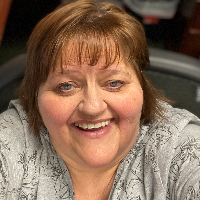
Cindy Hamilton is a licensed clinical social worker with over 30 years of experience. She practices from Wyoming and focuses on helping people manage strong emotions like anger and rebuild day-to-day coping skills. She uses a straightforward, conversational style in sessions.
Cindy listens first, then helps people set small, practical goals. She often blends skills practice with problem solving and guided reflection so people can try new ways of responding between visits.
Background and approach
Much of her background is in social work with youth and families involved in foster care and the justice system. That work gave her experience with trauma, abandonment, and the ripple effects those experiences can have on relationships and parenting. She also supports people dealing with depression, anxiety, grief, and life transitions.
As a foster and adoptive parent herself, she brings lived experience alongside her clinical background. She says that experience helps her brainstorm workable strategies and speak plainly about parenting challenges, blended family issues, and concerns that come up after adoption or reunification. Her approach draws on client-centered principles, cognitive behavioral techniques, dialectical behavior skills, mindfulness, and motivational interviewing.
Sessions are meant to be collaborative, practical, and grounded in respect for each person’s perspective. People who want clear tools for managing emotions, improving relationships, or coping with past trauma often find her style direct and supportive. She focuses on small steps that lead to steadier days and clearer decision making.
What Cindy works with
Everything Cindy lists, in the therapist's own terms. Anger is the reason this directory exists; the rest tells you what usually sits alongside it in Cindy's practice.
- Stress, Anxiety
- Relationship issues
- Family conflicts
- Trauma and abuse
- Parenting issues
- Grief
- Anger management
- Self esteem
- Depression
- Coping with life changes
- Abandonment
- Adoption and foster care
- Attachment issues
- Blended family issues
- Caregiver issues and stress
- Codependency
- Domestic violence
- Emptiness
- Family problems
- Fatherhood issues
- Guilt and shame
- Isolation / loneliness
- Life purpose
- Post-traumatic stress
- Self-love
- Women's issues
- Young adult issues
Approaches Cindy lists
- Client-Centered Therapy
- Cognitive Behavioral Therapy (CBT)
- Dialectical Behavior Therapy (DBT)
- Mindfulness Therapy
- Motivational Interviewing
- Narrative Therapy
- Solution-Focused Therapy
- Trauma-Focused Therapy
- Internal Family Systems
Listing an approach is not evidence of training in it. This directory copies what each therapist names and does not check training records.
Practical therapy approaches you can use online
Client-centered therapy focuses on listening and understanding each person’s perspective. The therapist follows the person’s lead, reflects what she hears, and helps people set goals that feel achievable. Cognitive behavioral therapy, or CBT, looks at how thoughts and behaviors interact. It teaches concrete techniques to change unhelpful thinking and try different actions when stress, anger, or anxiety arise.Finding the right combination of approaches is part of the work. The therapist will collaborate with each person to pick methods that match their goals, needs, and preferences. That means trying skills, checking what helps, and adjusting the plan together as progress is made.
Online therapy gives flexibility in how people connect. Video calls allow face-to-face conversation and skills practice. Phone sessions work well when bandwidth is limited or for a shorter check-in. Live chat and text-based messaging are helpful for quick support, ongoing check-ins, or when writing out thoughts feels easier. These options make it simpler to fit therapy into a busy life and to practice new strategies in real time.
Questions people ask about Cindy
What concerns does she commonly help with?
Cindy works with stress, anxiety, depression, anger, grief, trauma and abuse, relationship and family issues, parenting worries, self-esteem, and coping with life changes.
What is her general approach in sessions?
She blends client-centered listening with cognitive behavioral techniques, dialectical behavior skills, mindfulness, and motivational interviewing to create practical, hands-on work people can try between meetings.
What kind of background does she have?
She has 30 years of social work experience, largely with youth and families connected to foster care and the justice system, and brings experience as a foster and adoptive parent.
Where is she licensed and based?
She is a licensed clinical social worker (LCSW) practicing in Wyoming with credentialing in that state.
Which languages are supported?
Sessions are offered in English.
How are sessions delivered?
She meets through video calls, phone sessions, live chat, and text-based messaging depending on what fits the person’s needs.
How are sessions priced?
Cost varies with location and therapist availability and uses a subscription model that can be canceled at any time.
What do I do to begin?
Click the Start Therapy button, complete a short matching questionnaire, and schedule according to the therapist’s availability.