Works with
- Anger
- Stress, Anxiety
- Relationship issues
- Family conflicts
- Parenting issues
- Depression
How Claire works
Practical facts
- Credentials
- LCSW
- Licensed in
- New Jersey
- Years in practice
- 21
- Languages
- English
- Session format
- Online, through our partner platform
About Claire
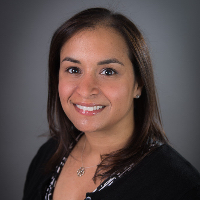
Claire McDonough is a Licensed Clinical Social Worker with more than two decades of experience. She practices from New Jersey and focuses on helping people manage stress, anger, anxiety, depression, relationship strain, and life changes. She uses clear, practical strategies and listens carefully to what matters most to each person.
She draws on Cognitive Behavioral Therapy to help people spot unhelpful thinking and change patterns that increase distress. She also uses Dialectical Behavior Therapy skills to teach emotion regulation and coping tools for intense feelings.
Background and approach
Mindfulness and Emotionally-Focused Therapy techniques support building awareness and stronger emotional connections in relationships. Claire has worked across a variety of mental health settings for 21 years. That experience includes supporting people with ADHD, bipolar mood concerns, addictions, trauma and grief.
She also addresses concerns like caregiver stress, commitment worries, communication problems, and issues tied to family of origin. In sessions she aims to create a respectful space where people feel heard and also challenged to try new skills. She outlines steps clearly and helps set realistic goals that fit daily life.
Many clients focus on learning practical coping strategies they can use right away. Sessions are offered in English and delivered through video calls, phone, live chat, or text messaging. Claire holds an LCSW credential, which stands for Licensed Clinical Social Worker, and works with adults seeking help for emotional and behavioral struggles.
What Claire works with
Everything Claire lists, in the therapist's own terms. Anger is the reason this directory exists; the rest tells you what usually sits alongside it in Claire's practice.
- Stress, Anxiety
- Relationship issues
- Family conflicts
- Parenting issues
- Depression
- Addictions
- LGBT
- Trauma and abuse
- Grief
- Intimacy-related issues
- Anger management
- Self esteem
- Career difficulties
- Bipolar disorder
- Coping with life changes
- Compassion fatigue
- ADHD
- Attachment issues
- Autism and Asperger Syndrome
- Caregiver issues and stress
- Commitment issues
- Communication problems
- Coping with natural or human-caused disaster
- Emptiness
- Family of origin issues
- Family problems
- First responder issues
- Forgiveness
- Gender dysphoria
- Guilt and shame
- Impulsivity
- Infidelity
- Isolation / loneliness
- Jealousy
- Life purpose
- Mood disorders
- Multicultural concerns
- Pregnancy and childbirth
- Seasonal Affective Disorder (SAD)
- Self-harm
- Self-love
- Social anxiety and phobia
- Women's issues
- Workplace issues
- Young adult issues
Approaches Claire lists
- Cognitive Behavioral Therapy (CBT)
- Dialectical Behavior Therapy (DBT)
- Emotionally-Focused Therapy (EFT)
- Mindfulness Therapy
- Motivational Interviewing
- Psychodynamic Therapy
- Solution-Focused Therapy
Listing an approach is not evidence of training in it. This directory copies what each therapist names and does not check training records.
Therapeutic approaches you can use online
Claire commonly uses Cognitive Behavioral Therapy and Dialectical Behavior Therapy in online sessions. Cognitive Behavioral Therapy helps people notice unhelpful thoughts and test new ways of thinking and behaving to reduce symptoms like anxiety or low mood. Dialectical Behavior Therapy offers concrete skills for managing strong emotions, improving distress tolerance, and handling impulsive urges.Choosing the right approach is a collaborative process. The therapist will review concerns, goals, and daily routines with each person and recommend methods that match those needs. Together they will try techniques, track progress, and adjust the plan if something isn’t working well.
Online formats include video calls, phone sessions, live chat, and text-based messaging. Video sessions are useful when visual cues and conversation matter. Phone sessions can be easier when bandwidth is limited or a shorter check-in fits your day. Live chat or text messaging can support brief updates, skill practice between sessions, and flexible communication when schedules are tight. These options make it easier to fit therapy into work, caregiving, and other commitments while using the same therapeutic tools a licensed professional would use in person.
Questions people ask about Claire
What kinds of concerns does Claire address?
She works with stress, anxiety, depression, anger, relationship and parenting concerns, and related issues such as trauma, addictions, grief, self-esteem, and ADHD.
What approach does she use in therapy?
Her work draws on Cognitive Behavioral Therapy, Dialectical Behavior Therapy, Emotionally-Focused Therapy, mindfulness, and motivational interviewing to teach skills and change unhelpful patterns.
What is her professional background?
Claire has 21 years of experience in a range of mental health settings and has supported people with mood, attention, trauma, and addiction concerns.
Where is Claire licensed to practice?
She holds an LCSW credential and is licensed in New Jersey.
Which languages are supported for sessions?
Sessions are offered in English.
Can I meet with her from another country?
International clients are not currently accepted; she practices with clients located in the United States and licensed in New Jersey.
What session formats are available?
Therapy is offered via video calls, phone sessions, live chat, and text-based messaging to suit different needs and schedules.
How do I begin therapy with Claire?
Start by selecting the Start Therapy button, complete the short matching questionnaire, and then schedule sessions according to therapist availability.