Works with
How Dale works
Practical facts
- Credentials
- LPC, LCPC
- Licensed in
- Illinois, Wisconsin, Texas, Maine, Utah
- Years in practice
- 30
- Languages
- English
- Session format
- Online, through our partner platform
About Dale
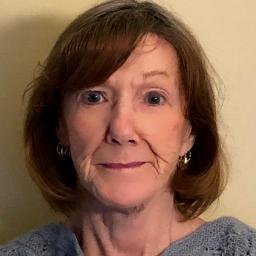
Dale Barrett is a Licensed Professional Counselor with wide clinical experience. She uses straightforward, practical work to help people regain control when life feels overwhelming. Her style is collaborative and down-to-earth, focused on clear goals and real steps forward.
She draws on thirty years in the field and holds LPC and LCPC credentials. Dale helps people facing stress, anxiety, depression, grief, addictions, anger, and major life changes. She listens first, then helps identify what's driving difficult reactions and where small changes can make a difference.
Background and approach
In sessions she blends therapies to meet each person’s needs. Cognitive Behavioral Therapy helps identify unhelpful thoughts and behaviors. Dialectical Behavior Therapy teaches emotion regulation and distress tolerance skills.
Acceptance and Commitment Therapy supports values-based choices when situations feel stuck. Dale also pays attention to attachment concerns, coping with trauma and abuse, and mood disorders including bipolar conditions. She works with people confronting career shifts, relationship strain, and the emotional work around divorce or midlife crisis.
The approach is practical: set clear, manageable goals, practice skills between sessions, and track progress. Sessions may include skill coaching, thought work, and planning steps to try between meetings. The emphasis is on usable tools that fit everyday life.
People who want a steady, experienced clinician who explains options plainly may find her approach helpful. She accepts international clients and offers sessions in English while working from Wisconsin.
What Dale works with
Everything Dale lists, in the therapist's own terms. Anger is the reason this directory exists; the rest tells you what usually sits alongside it in Dale's practice.
- Stress, Anxiety
- Trauma and abuse
- Grief
- Self esteem
- Depression
- Addictions
- Relationship issues
- Family conflicts
- Anger management
- Career difficulties
- Bipolar disorder
- Coping with life changes
- Aging and geriatric issues
- Attachment issues
- Control issues
- Divorce and separation
- Emptiness
- Forgiveness
- Jealousy
- Midlife crisis
- Mood disorders
- Obsessions, compulsions, and OCD
- Personality disorders
- Post-traumatic stress
- Self-harm
- Traumatic brain injury
Approaches Dale lists
- Acceptance and Commitment Therapy (ACT)
- Attachment-Based Therapy
- Client-Centered Therapy
- Cognitive Behavioral Therapy (CBT)
- Dialectical Behavior Therapy (DBT)
- Mindfulness Therapy
- Motivational Interviewing
- Solution-Focused Therapy
- Trauma-Focused Therapy
Listing an approach is not evidence of training in it. This directory copies what each therapist names and does not check training records.
Therapeutic approaches applied to online care
Acceptance and Commitment Therapy, or ACT, encourages people to notice unhelpful thoughts and commit to actions that match their values. It can help when someone feels stuck, uncertain about priorities, or overwhelmed by strong emotions. Cognitive Behavioral Therapy, or CBT, focuses on identifying thought patterns and behaviors that maintain distress and teaching concrete techniques to change them. CBT is useful for anxiety, depression, and mood regulation. Dialectical Behavior Therapy, or DBT, teaches practical emotion regulation, distress tolerance, and interpersonal skills for managing intense feelings and conflicts.Picking the right approach usually happens together. The therapist will talk about goals, try methods that fit those goals, and adjust based on what helps. Clients and the therapist decide which techniques to use, and the plan can change as needs evolve.
Online sessions are offered by licensed professionals using video calls, phone sessions, live chat, or text-based messaging. Video calls let people work face-to-face from different locations. Phone sessions are useful when bandwidth is limited or a quieter check-in is needed. Live chat or text-based messaging can fit brief coaching, quick check-ins, or ongoing support between longer sessions. These options make therapy more flexible across schedules, time zones, and daily routines.
Questions people ask about Dale
What concerns does Dale address in therapy?
Dale helps people with stress, anxiety, depression, grief, addictions, anger, and coping with life changes. She also works with mood disorders, trauma and abuse, and a variety of related concerns.
How would you describe her therapeutic style?
Her style is collaborative and practical. She combines problem-solving, skills coaching, and values work to help clients make steady progress.
What background and experience does she bring?
She has thirty years of clinical experience and has worked across many presenting issues including mood disorders, trauma, and addictions.
What credentials and location are listed for this therapist?
She holds LPC and LCPC credentials and practices from Wisconsin. Credential abbreviations shown are Licensed Professional Counselor (LPC) and Licensed Clinical Professional Counselor (LCPC).
Can sessions be conducted in other languages or internationally?
Sessions are offered in English. International clients are accepted.
Which session formats are available?
Sessions can take place via video calls, phone sessions, live chat, or text-based messaging to match different needs and schedules.
What does therapy cost and how are payments handled?
Cost varies with location and therapist availability. Sessions use a subscription model that can be canceled at any time.
How do I get started with Dale?
Begin by selecting the Start Therapy button, complete a short matching questionnaire, and schedule sessions according to therapist availability.