Works with
- Anger
- Stress, Anxiety
- Relationship issues
- Trauma and abuse
- Grief
- Depression
How Darlene works
Practical facts
- Credentials
- LMHC
- Licensed in
- Washington
- Years in practice
- 8
- Languages
- English
- Session format
- Online, through our partner platform
About Darlene
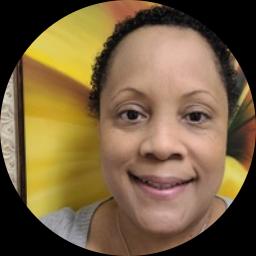
Darlene Hill is a Licensed Mental Health Counselor (LMHC) who uses practical, skills-based therapy to help people manage anger, stress, anxiety, and other painful reactions to life events. She writes and talks plainly so parents and busy adults can understand next steps. Her style aims to make coping feel more doable in everyday life.
She draws on cognitive behavioral therapy to identify unhelpful thoughts and shift behaviors that fuel anger and anxiety.
Background and approach
Eye movement desensitization and reprocessing, or EMDR, is offered for people carrying trauma and post-traumatic stress. Motivational interviewing and solution-focused techniques are used to set small, realistic goals and build momentum. Clients often bring worries about relationships, work, sleep, or recovery from loss and addiction.
Hill pays attention to how life changes, cultural background, and identity shape what someone is dealing with right now. She works with issues like attachment wounds, abandonment, guilt, shame, and the fallout from infidelity or divorce. Sessions mix conversation with exercises you can try between appointments.
Expect practical strategies for calming intense emotion, improving communication, and rebuilding routine after a crisis. The aim is steady progress rather than quick fixes. Hill practices in Washington and has eight years of clinical experience.
She offers video calls, phone sessions, live chat, and text-based messaging so people can choose what fits their schedule and needs.
What Darlene works with
Everything Darlene lists, in the therapist's own terms. Anger is the reason this directory exists; the rest tells you what usually sits alongside it in Darlene's practice.
- Stress, Anxiety
- Relationship issues
- Trauma and abuse
- Grief
- Depression
- Addictions
- LGBT
- Family conflicts
- Intimacy-related issues
- Sleeping disorders
- Anger management
- Self esteem
- Career difficulties
- Coping with life changes
- ADHD
- Abandonment
- Attachment issues
- Communication problems
- Control issues
- Divorce and separation
- First responder issues
- Forgiveness
- Guilt and shame
- Infidelity
- Isolation / loneliness
- Life purpose
- Veteran and Armed Forces Issues
- Multicultural concerns
- Post-traumatic stress
- Prejudice and discrimination
- Women's issues
- Workplace issues
- Young adult issues
Approaches Darlene lists
- Cognitive Behavioral Therapy (CBT)
- Eye Movement Desensitization and Reprocessing (EMDR)
- Motivational Interviewing
- Solution-Focused Therapy
Listing an approach is not evidence of training in it. This directory copies what each therapist names and does not check training records.
How therapeutic approaches work online
CBT, or cognitive behavioral therapy, focuses on identifying patterns of thinking that contribute to anger and anxiety and testing small behavioral changes to reduce their impact. It is useful for sleep problems, stress, relationship difficulties, and day-to-day mood management.EMDR, or eye movement desensitization and reprocessing, helps process memories that continue to cause distress after trauma. In sessions this involves guided recall and bilateral stimulation to reduce the intensity of traumatic reactions. It can be helpful for post-traumatic stress and nightmares.
Finding the right approach is part of the work together. The therapist will talk with each person about goals, symptoms, and preferences and suggest CBT, EMDR, motivational interviewing, or solution-focused steps as fits the situation. Decisions are collaborative and can change as progress unfolds.
Online sessions are offered by video calls, phone, live chat, or text-based messaging to make regular work easier to fit into life. Video lets people practice skills and observe interactions, phone calls can be a lower-bandwidth option, live chat and messaging are useful for brief check-ins or ongoing support between sessions. These formats increase flexibility for people juggling work, caregiving, or busy schedules.
Questions people ask about Darlene
What kinds of concerns does Darlene address?
She helps people with anger, stress, anxiety, depression, trauma and abuse, grief, addictions, relationship and intimacy issues, sleep problems, self-esteem, career stress, ADHD, and life transitions.
What is her therapy style like?
Her work blends practical approaches such as cognitive behavioral strategies, EMDR for trauma, motivational interviewing, and solution-focused techniques to set small, achievable goals.
How much clinical experience does she have?
She has eight years of experience working with adults on a range of concerns including post-traumatic stress and first responder issues.
What are her credentials and where is she located?
She is a Licensed Mental Health Counselor, LMHC, licensed in Washington and practices in that state.
Which languages are supported in sessions?
Sessions are offered in English.
Can people outside the United States work with her?
International clients are not currently accepted; she works with people located in Washington.
What formats are available for sessions?
She offers video calls, phone sessions, live chat, and text-based messaging to accommodate different schedules and preferences.
How are costs and getting started handled?
Cost varies with location and uses a subscription model that can be canceled at any time; to begin, select Start Therapy, complete a short matching questionnaire, and schedule based on therapist availability.