Works with
- Anger
- Stress, Anxiety
- Addictions
- Trauma and abuse
- Anger management
- Depression
How Ericah works
Practical facts
- Credentials
- LCPC, LPC
- Licensed in
- Illinois, Wisconsin
- Years in practice
- 7
- Languages
- English
- Session format
- Online, through our partner platform
About Ericah
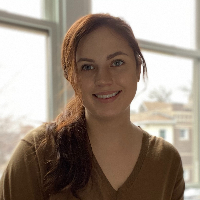
Ericah Saoudi is a licensed counselor who practices in Wisconsin. She holds an Illinois Licensed Clinical Professional Counselor credential and a Wisconsin Licensed Professional Counselor credential. With seven years of clinical work, she focuses on practical ways to manage strong emotions and get through hard times.
She helps people dealing with stress, anxiety, depression, addiction, and trauma. Anger and self-esteem concerns are also common topics in her work. Ericah uses straightforward tools so clients can see changes in daily life.
Background and approach
Her style is collaborative and down-to-earth. Sessions often center on talking through what is most urgent, trying small behavior changes, and building skills for calmer responses. She draws on cognitive behavioral techniques and mindfulness to help people notice unhelpful patterns and try different choices.
Ericah also brings a client-centered stance and motivational interviewing into the room. That means she pays attention to each person's values and helps people find their own reasons to change. She works at a pace that fits the individual and focuses on practical next steps.
People who reach out can expect clear goals and regular check-ins on progress. Ericah aims to help clients develop coping strategies they can use between sessions and to make steady, manageable shifts in how they handle stressors and relationships.
What Ericah works with
Everything Ericah lists, in the therapist's own terms. Anger is the reason this directory exists; the rest tells you what usually sits alongside it in Ericah's practice.
- Stress, Anxiety
- Addictions
- Trauma and abuse
- Anger management
- Depression
- Relationship issues
- Family conflicts
- Parenting issues
- Self esteem
- Career difficulties
- Bipolar disorder
- Coping with life changes
- Compassion fatigue
- ADHD
- Antisocial personality
- Co-morbidity
- Disruptive Mood Dysregulation Disorder (DMDD)
- Domestic violence
- Drug and alcohol addiction
- Emptiness
- Family problems
- Impulsivity
- Isolation / loneliness
- Veteran and Armed Forces Issues
- Mood disorders
- Panic disorder and panic attacks
- Paranoia
- Personality disorders
- Post-traumatic stress
- Pregnancy and childbirth
- Seasonal Affective Disorder (SAD)
- Self-harm
- Social anxiety and phobia
- Women's issues
- Young adult issues
Approaches Ericah lists
- Client-Centered Therapy
- Cognitive Behavioral Therapy (CBT)
- Existential Therapy
- Mindfulness Therapy
- Motivational Interviewing
Listing an approach is not evidence of training in it. This directory copies what each therapist names and does not check training records.
Approaches that translate to online care
Client-centered work starts by focusing on what matters most to the person. The therapist listens closely, reflects what she hears, and helps clients set goals that fit their values. This approach helps people feel understood and shapes practical steps forward.Cognitive behavioral therapy, or CBT, looks at the links between thoughts, feelings, and actions. In sessions clients learn to notice unhelpful thoughts and try small behavior changes. That method is often used for anxiety, anger, and mood problems because it gives clear tools to practice between meetings.
Ericah also uses mindfulness techniques to help people become aware of bodily reactions and pause before acting. Mindfulness exercises can reduce reactivity and support emotional regulation during stressful moments.
Finding the right mix of approaches is part of the work. She collaborates with each person to decide which methods fit their goals, preferences, and day-to-day life. Goals and strategies are reviewed and adjusted over time so care stays relevant.
Online therapy offers flexibility. Video calls let people use visual cues and a fuller session experience. Phone sessions work well when bandwidth is limited or a shorter check-in is needed. Live chat and text-based messaging can be useful for brief updates, between-session support, or for people who prefer writing. These options make it easier to fit therapy into busy schedules and different routines.
Questions people ask about Ericah
What concerns does Ericah commonly address?
She works with stress, anxiety, depression, addiction, trauma, anger, self-esteem, relationship and family issues, parenting strain, career stress, bipolar and mood disorders, ADHD, and related concerns listed in her profile.
How would you describe her therapeutic style?
Her style is client-centered and practical. She uses clear conversation, motivational interviewing, CBT strategies, and mindfulness to help people identify goals and try new coping skills.
What background and experience does she have?
Ericah has seven years of clinical experience working with a broad range of mood, anxiety, trauma, and addiction concerns including issues like impulsivity and isolation.
Where is she licensed and based?
She holds an Illinois Licensed Clinical Professional Counselor credential and a Wisconsin Licensed Professional Counselor credential and practices in Wisconsin.
What languages are sessions offered in?
Sessions are offered in English.
What session formats are available?
Clients can meet by video calls, phone sessions, live chat, or text-based messaging depending on their needs and preferences.
How does payment and cost work?
Cost varies with location and therapist availability; sessions use a subscription that can be canceled at any time.
How do I begin working with her?
Start by selecting the Start Therapy button, complete a short matching questionnaire, and then schedule sessions according to therapist availability.