Works with
- Anger
- Stress, Anxiety
- Trauma and abuse
- Grief
- Parenting issues
- Depression
How Ethel works
Practical facts
- Credentials
- LCSW
- Licensed in
- Connecticut
- Years in practice
- 22
- Languages
- English
- Session format
- Online, through our partner platform
About Ethel
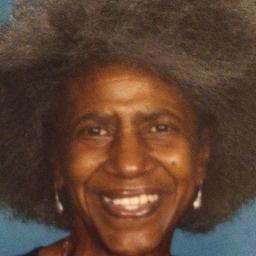
Ethel Dickerson is a Licensed Clinical Social Worker with more than 22 years of practice. She offers steady, respectful care for people feeling overwhelmed by stress, anger, anxiety, grief, or life changes. Her tone is straightforward and caring, and she focuses on helping people make small, workable changes that add up over time.
Ethel draws on long experience in outpatient clinics and community settings. Her background includes work with trauma, grief and loss, first responder teams, and adults facing family and parenting strains.
Background and approach
She aims to listen fully and to give honest feedback when it will help move someone forward. In sessions she helps people notice the thoughts that cause trouble and then practice different ways of thinking and behaving. That can look like short, practical exercises, calm breathing and focus work, or setting small goals to test new habits.
The process is collaborative and paced to each person’s needs. She also supports people dealing with parenting challenges, family conflict, and the emotional aftermath of crises. Ethel believes respectful treatment matters and that progress often comes from steady effort and realistic steps.
If someone wants clear guidance and a therapist who speaks plainly, Ethel aims to provide that. She encourages people to reach out and start a conversation about what’s getting in the way and what might help.
What Ethel works with
Everything Ethel lists, in the therapist's own terms. Anger is the reason this directory exists; the rest tells you what usually sits alongside it in Ethel's practice.
- Stress, Anxiety
- Trauma and abuse
- Grief
- Parenting issues
- Depression
- Family conflicts
- Anger management
- Self esteem
- Coping with life changes
- Antisocial personality
- Blended family issues
- Caregiver issues and stress
- Codependency
- Communication problems
- Control issues
- Coping with natural or human-caused disaster
- Dependent personality
- Divorce and separation
- Domestic violence
- Emptiness
- Family of origin issues
- Family problems
- Fatherhood issues
- First responder issues
- Forgiveness
- Gender dysphoria
- Guilt and shame
- Impulsivity
- Infidelity
- Isolation / loneliness
- Jealousy
- Life purpose
- Men's issues
- Midlife crisis
- Multicultural concerns
- Narcissism
- Obsessions, compulsions, and OCD
- Postpartum depression
- Post-traumatic stress
- Prejudice and discrimination
- Self-harm
- Self-love
- Sexual assault and abuse
- Sexuality
- Women's issues
- Workplace issues
- Young adult issues
Approaches Ethel lists
- Client-Centered Therapy
- Cognitive Behavioral Therapy (CBT)
- Mindfulness Therapy
- Solution-Focused Therapy
- Trauma-Focused Therapy
Listing an approach is not evidence of training in it. This directory copies what each therapist names and does not check training records.
How her approaches translate to online therapy
Client-Centered Therapy focuses on listening, validation, and collaboration. In online sessions this means the therapist prioritizes understanding each person’s goals and adjusts the pace and structure to match what matters most to them.Cognitive Behavioral Therapy (CBT) targets the thought patterns that lead to distress. Online CBT often uses short exercises, worksheets, and practice tasks between meetings to reduce anxiety, anger, and depression symptoms.
Mindfulness Therapy teaches simple attention and breathing practices to reduce reactivity and improve emotional regulation. Those techniques can be practiced during video calls or reinforced through brief text reminders and check-ins.
Choosing the right approach is a shared process. The therapist works with each person to pick methods that fit their goals and lifestyle, and will adjust strategies as progress is made.
Online sessions offer practical flexibility. Video calls enable face-to-face conversation and visual cues. Phone sessions work when bandwidth is limited or for a shorter check-in. Live chat and text-based messaging let people send notes, update progress, or get brief support between scheduled meetings. These options make it easier to fit therapy into busy days and different routines.
Questions people ask about Ethel
Which concerns does she address?
Ethel helps people with stress, anxiety, anger, grief, depression, parenting strains, family issues, trauma and coping with life changes.
What is her approach in sessions?
She uses client-centered work combined with cognitive behavioral and mindfulness techniques to change unhelpful thinking and build new coping habits.
How much experience does she bring?
Ethel has 22 years of experience in community and outpatient settings, including work with trauma, first responders, and grief-related challenges.
What are her credentials and location?
She is a Licensed Clinical Social Worker, LCSW, practicing in Connecticut.
Which languages are supported?
Sessions are offered in English, and international clients are accepted.
What session formats are available?
Therapy can be delivered by video calls, phone sessions, live chat, or text-based messaging to suit different needs.
How does pricing work?
Cost varies with location and therapist availability; sessions use a subscription model that can be canceled at any time.
How do I begin working together?
Use the Start Therapy button, fill out a short matching questionnaire, and schedule sessions according to the therapist's availability.