Works with
- Anger
- Stress, Anxiety
- Family conflicts
- Trauma and abuse
- Parenting issues
- Depression
How Faith works
Practical facts
- Credentials
- LMHC
- Licensed in
- Indiana
- Years in practice
- 14
- Languages
- English
- Session format
- Online, through our partner platform
About Faith
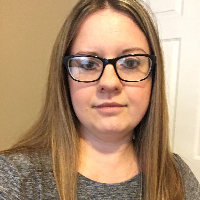
Faith Hayes is a Licensed Mental Health Counselor in Indiana with 14 years of experience in social services and counseling. She helps people who are struggling with anxiety, depression, stress, anger, trauma, and relationship challenges. Her manner is warm and compassionate, and she treats clients with respect while focusing on their strengths.
She understands how hard it can be to ask for help and be vulnerable. Faith uses a flexible, practical approach rather than one fixed method.
Background and approach
She adapts techniques to each person’s needs and combines mind, body, and emotion-focused work. Sessions often include learning new coping skills, practicing ways to handle intense feelings, and building on what already works for the client. She draws from Cognitive Behavioral Therapy to address unhelpful thinking and behavior patterns.
Dialectical Behavior Therapy skills are used to manage strong emotions and improve distress tolerance. Somatic ideas may be included to notice how the body holds stress and trauma. Faith also brings solution-focused thinking to goal-setting and Emotionally-Focused Therapy ideas when helping with relationship or intimacy concerns.
Her aim is to work together with clients to identify small, achievable steps toward change. Progress is paced to fit each person’s situation. People who choose Faith can expect straightforward conversation, practical tools, and encouragement to connect to their resilience.
She values each person’s life story and helps them explore purpose, healing, and lasting change.
What Faith works with
Everything Faith lists, in the therapist's own terms. Anger is the reason this directory exists; the rest tells you what usually sits alongside it in Faith's practice.
- Stress, Anxiety
- Family conflicts
- Trauma and abuse
- Parenting issues
- Depression
- Addictions
- LGBT
- Relationship issues
- Grief
- Intimacy-related issues
- Anger management
- Self esteem
- Bipolar disorder
- Coping with life changes
- Compassion fatigue
- ADHD
- Abandonment
- Adoption and foster care
- Avoidant personality
- Codependency
- Communication problems
- Disruptive Mood Dysregulation Disorder (DMDD)
- Dissociation
- Divorce and separation
- Domestic violence
- Family of origin issues
- Family problems
- Isolation / loneliness
- Life purpose
- Mood disorders
- Panic disorder and panic attacks
- Personality disorders
- Phobias
- Postpartum depression
- Post-traumatic stress
- Pregnancy and childbirth
- Self-harm
- Self-love
- Sexual assault and abuse
- Social anxiety and phobia
- Women's issues
Approaches Faith lists
- Cognitive Behavioral Therapy (CBT)
- Dialectical Behavior Therapy (DBT)
- Emotionally-Focused Therapy (EFT)
- Solution-Focused Therapy
- Somatic Therapy
- Trauma-Focused Therapy
Listing an approach is not evidence of training in it. This directory copies what each therapist names and does not check training records.
Therapeutic approaches and online care
Faith frequently uses Cognitive Behavioral Therapy, which looks at how thoughts, actions, and feelings connect. CBT helps people notice unhelpful thinking patterns and practice different responses to reduce anxiety, depression, and anger. She also draws on Dialectical Behavior Therapy skills to teach emotion regulation, distress tolerance, and better interpersonal effectiveness for managing intense feelings.Some work may include Somatic ideas that focus on how the body holds stress and trauma. These techniques encourage simple body awareness and grounding practices to reduce physical tension and support emotional regulation. The therapist will explain each option and collaborate on what feels most useful for the client's goals.
Finding the right approach is part of therapy. Faith will talk with clients about their needs, goals, and preferences and then try methods together to see what fits best. That collaborative process helps tailor sessions so steps toward improvement feel achievable and relevant.
Online formats include video calls, phone sessions, live chat, and text-based messaging. Video is useful for full conversations and skill practice, phone sessions work well when bandwidth is limited, live chat lets people check in quickly, and messaging supports brief updates or prompts between sessions. These options make it easier to fit therapy into a busy life and maintain continuity when schedules change.
Questions people ask about Faith
What concerns does Faith commonly address?
She works with stress, anxiety, depression, anger, trauma and relationship difficulties, along with addictions, grief, self-esteem, ADHD, and mood issues.
What is her general therapy style?
Her style is practical and flexible. She blends techniques from several approaches to match what each person needs.
How long has she been practicing?
She has 14 years of experience in social services and counseling work.
Where is Faith licensed and located?
Faith is a Licensed Mental Health Counselor - LMHC - in Indiana.
Which languages are supported for sessions?
Sessions are offered in English.
Can people outside the United States work with her?
International clients are accepted.
What session formats does she offer?
She meets via video calls, phone sessions, live chat, and text-based messaging.
How are costs and scheduling handled?
Cost varies with location and therapist availability; sessions use a subscription that can be canceled at any time. To begin, select Start Therapy, complete a short matching questionnaire, and schedule based on availability.