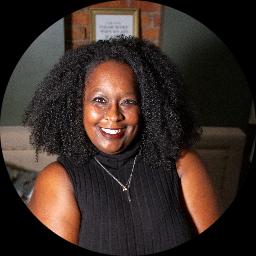
Ranada Dalton, LMHC, LPC
Compassionate counselor focused on relationships and life change
Book with RanadaWorks with
- Anger
- Relationship issues
- Family conflicts
- Trauma and abuse
- Intimacy-related issues
- Coping with life changes
How Ranada works
Practical facts
- Credentials
- LMHC, LPC
- Licensed in
- Indiana, Georgia
- Years in practice
- 19
- Languages
- English
- Session format
- Online, through our partner platform
About Ranada
Ranada Dalton is a licensed mental health counselor and life coach based in Indiana. She holds a BS in Psychology and a MA in Marriage and Family Therapy and brings 19 years of clinical experience to her work. Ranada uses a warm, interactive style that centers the person in the room.
She aims to treat people with respect and compassion while meeting them where they are. Ranada helps people with relationship struggles, anxiety and depression, parenting questions, grief, and anger.
Background and approach
She also supports those facing life transitions such as divorce, becoming new parents, or navigating blended family issues. Her practice includes work with trauma, intimacy concerns, ADHD, bipolar mood concerns, and stress tied to caregiving or career change. Her approach mixes client-centered listening with practical strategies from cognitive behavioral therapy.
She draws on emotionally-focused ideas and motivational interviewing to help people examine patterns and make changes. The Gottman Method and narrative therapy also inform her thinking when communication or family-of-origin themes come up. Sessions are interactive and tailored.
Ranada adjusts the pace and tools based on what a person needs and prefers. She focuses on clear goals, skill building, and improving day-to-day functioning. If someone is unsure where to begin, she guides them through a brief assessment and collaborates on a plan.
Ranada encourages small steps that add up to meaningful change over time.
What Ranada works with
Everything Ranada lists, in the therapist's own terms. Anger is the reason this directory exists; the rest tells you what usually sits alongside it in Ranada's practice.
- Relationship issues
- Family conflicts
- Trauma and abuse
- Intimacy-related issues
- Coping with life changes
- Stress, Anxiety
- LGBT
- Grief
- Sleeping disorders
- Parenting issues
- Anger management
- Self esteem
- Career difficulties
- Bipolar disorder
- Depression
- Coaching
- Compassion fatigue
- ADHD
- Blended family issues
- Body image
- Caregiver issues and stress
- Commitment issues
- Communication problems
- Control issues
- Divorce and separation
- Domestic violence
- Family of origin issues
- Family problems
- Forgiveness
- Guilt and shame
- Isolation / loneliness
- Life purpose
- Midlife crisis
- Money and financial issues
- Multicultural concerns
- Pregnancy and childbirth
- Prejudice and discrimination
- Self-love
- Sexual assault and abuse
- Sexual dysfunction
- Sexuality
- Somatization
- Women's issues
- Young adult issues
Approaches Ranada lists
- Client-Centered Therapy
- Cognitive Behavioral Therapy (CBT)
- Emotionally-Focused Therapy (EFT)
- Gottman Method
- Motivational Interviewing
- Narrative Therapy
- Solution-Focused Therapy
- Trauma-Focused Therapy
Listing an approach is not evidence of training in it. This directory copies what each therapist names and does not check training records.
Online approaches that fit your goals
Ranada combines client-centered listening with evidence-based techniques like cognitive behavioral therapy and emotionally-focused work. Client-Centered Therapy emphasizes understanding each person without judgment and following their lead to set goals and priorities. Cognitive Behavioral Therapy (CBT) focuses on practical skills to change unhelpful thoughts and behaviors and is useful for anxiety, depression, anger, and sleep problems. Emotionally-Focused Therapy (EFT) helps people name and shift patterns in connection and emotion, which can be useful for intimacy and relationship concerns.Finding the right approach is a collaborative process. Ranada will discuss goals, preferences, and what has or hasn’t helped in the past. Together they will try methods that match needs and adjust the plan over time based on what is working.
Online therapy offers flexible ways to meet. Video calls let people have a session much like an in-person visit. Phone sessions can be simpler when bandwidth is limited or when a quieter check-in is needed. Live chat and text-based messaging support shorter check-ins, ongoing coaching-style work, or follow-up between sessions. These options make it easier to fit therapy around work, parenting, and travel while keeping care consistent.
Questions people ask about Ranada
What concerns does this therapist address?
She works with relationship issues, anxiety, depression, anger, trauma, intimacy concerns, parenting challenges, grief, and stress among other topics.
What is her general therapeutic style?
Her style is warm, empathetic, and interactive. Sessions center the person and blend listening with practical strategies.
How much clinical experience does she have?
Ranada has 19 years of experience as a clinician and life coach.
What credentials and location are listed?
She holds LMHC and LPC credentials and practices from Indiana.
In which languages can sessions be held?
Sessions are offered in English and she also accepts international clients.
Which session formats are available?
She provides video calls, phone sessions, live chat, and text-based messaging.
How are fees handled?
Cost varies with location and therapist availability; sessions use a subscription that can be canceled at any time.
How do I begin working with her?
Start by selecting the Start Therapy button, complete a short matching questionnaire, and then schedule according to therapist availability.