Works with
How Richard works
Practical facts
- Credentials
- LCSW
- Licensed in
- Illinois, Indiana, Arizona
- Years in practice
- 10
- Languages
- English
- Session format
- Online, through our partner platform
About Richard
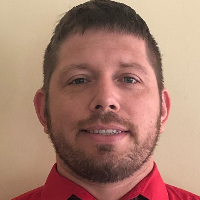
Richard Rodgers is a Licensed Clinical Social Worker who uses practical, skills-based therapy to help people get through hard times. He draws on approaches that focus on values, behavior change, and improving relationships to address everyday struggles like anger, stress, and addiction. He served in the Army National Guard and began working in mental health after returning from Afghanistan.
That experience shaped his interest in supporting people facing trauma, substance use, grief, and depression.
Background and approach
He brings about 10 years of experience across inpatient and outpatient settings. In sessions he listens first and then builds a plan with each person. He mixes talk with tools aimed at managing strong emotions, improving sleep, and coping with life changes.
The work is practical - learning new ways to respond to triggers and to handle difficult moments more calmly. Richard works with a wide range of concerns including anxiety, relationship and intimacy issues, parenting stress, ADHD, bipolar mood concerns, and compassion fatigue. He also supports people dealing with chronic illness, body image, attachment issues, and other overlapping problems.
People meet him for focused work on addiction, trauma, and mood concerns, or for help navigating career and life transitions. His style is straightforward and collaborative, centered on helping people build skills and make steady progress. Sessions are offered in English and tailored to individual needs.
He practices in Indiana and brings a practical, experience-informed approach to therapy.
What Richard works with
Everything Richard lists, in the therapist's own terms. Anger is the reason this directory exists; the rest tells you what usually sits alongside it in Richard's practice.
- Stress, Anxiety
- Addictions
- Trauma and abuse
- Grief
- Depression
- LGBT
- Relationship issues
- Family conflicts
- Intimacy-related issues
- Sleeping disorders
- Parenting issues
- Anger management
- Self esteem
- Career difficulties
- Bipolar disorder
- Coping with life changes
- Compassion fatigue
- ADHD
- Abandonment
- Antisocial personality
- Attachment issues
- Autism and Asperger Syndrome
- Avoidant personality
- Body image
- Chronic pain, illness, and disability
- Co-morbidity
- Codependency
- Commitment issues
- Communication problems
- Control issues
- Coping with natural or human-caused disaster
- Dependent personality
- Disruptive Mood Dysregulation Disorder (DMDD)
- Dissociation
- Divorce and separation
- Domestic violence
- Drug and alcohol addiction
- Eating and food-related issues
- Emptiness
- Family of origin issues
- Family problems
- Fatherhood issues
- First responder issues
- Forgiveness
- Guilt and shame
- HIV / AIDS
- Hoarding
- Impulsivity
- Infidelity
- Intellectual disability
- Isolation / loneliness
- Jealousy
- Life purpose
- Men's issues
- Midlife crisis
- Veteran and Armed Forces Issues
- Money and financial issues
- Mood disorders
- Narcissism
- Obsessions, compulsions, and OCD
- Panic disorder and panic attacks
- Paranoia
- Personality disorders
- Phobias
- Postpartum depression
- Post-traumatic stress
- Process addiction (porn, exercise, gambling)
- Seasonal Affective Disorder (SAD)
- Self-harm
- Self-love
- Sexual assault and abuse
- Sexual dysfunction
- Smoking / vaping cessation
- Social anxiety and phobia
- Traumatic brain injury
- Workplace issues
- Young adult issues
Approaches Richard lists
- Acceptance and Commitment Therapy (ACT)
- Attachment-Based Therapy
- Client-Centered Therapy
- Cognitive Behavioral Therapy (CBT)
- Dialectical Behavior Therapy (DBT)
- Emotionally-Focused Therapy (EFT)
- Existential Therapy
- Mindfulness Therapy
- Motivational Interviewing
- Narrative Therapy
- Psychodynamic Therapy
- Solution-Focused Therapy
- Trauma-Focused Therapy
- Internal Family Systems
Listing an approach is not evidence of training in it. This directory copies what each therapist names and does not check training records.
Evidence-informed approaches for online work
Richard commonly uses Acceptance and Commitment Therapy and Cognitive Behavioral Therapy in online sessions. Acceptance and Commitment Therapy helps people clarify what matters most to them and learn small actions that align with those values. It can be useful for anxiety, anger, and making life changes. Cognitive Behavioral Therapy breaks problems into thoughts, feelings, and behaviors and teaches concrete tools to shift unhelpful patterns; this approach often helps with depression, stress, and sleep problems.Finding the right approach is part of the work. The therapist will talk with each person about their goals and preferences, then recommend ways of working together. This collaborative process can include trying different techniques and adjusting plans over time to best fit a person's needs.
Online sessions are available by video call, phone, live chat, or text-based messaging to make therapy fit a busy life. Video calls allow face-to-face conversation for deeper work, phone sessions can be simpler when bandwidth is limited, and chat or messaging offers brief check-ins or ongoing support between appointments. These options make it easier to schedule sessions around work, family, or other commitments.
Questions people ask about Richard
What problems does this therapist help with?
He helps people with stress, anger, anxiety, addiction, trauma, grief, depression, and related issues such as sleep problems and parenting strain.
What is his therapy style like?
He combines conversational, skills-focused work with approaches that target behavior and relationships so people can manage emotions and make practical changes.
How much clinical experience does he have?
He has about 10 years of experience working in mental health and addiction settings, including both inpatient and outpatient care.
What credentials and region are listed for this therapist?
He is a Licensed Clinical Social Worker (LCSW) with Illinois and Arizona LCSW credentials and he practices in Indiana.
Can sessions be conducted in other languages or with international clients?
Sessions are offered in English. He is not accepting international clients.
What session formats are available?
He offers video calls, phone sessions, live chat, and text-based messaging to fit different schedules and needs.
How is pricing handled for sessions?
Cost varies with location and therapist availability; sessions are provided through a subscription model that can be canceled at any time.
What do I do to begin working with him?
Use the Start Therapy button, fill out a short matching questionnaire, and schedule sessions according to the therapist's listed availability.