Works with
- Anger
- Stress, Anxiety
- Family conflicts
- Anger management
- Depression
- ADHD
How Hope works
Practical facts
- Credentials
- LPC
- Licensed in
- Mississippi
- Years in practice
- 22
- Languages
- English
- Session format
- Online, through our partner platform
About Hope
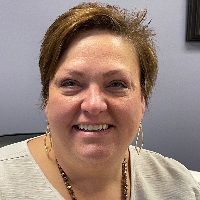
Hope Spencer is a Licensed Professional Counselor (LPC) who centers sessions on the person in front of her. She focuses on building a strong working relationship first, then chooses practical approaches to address stress, anxiety, anger, depression, and other life challenges. The tone in her work is warm, direct, and often gently humorous to help people feel at ease.
With 22 years of experience, she blends several methods rather than relying on a single tool.
Background and approach
Cognitive Behavioral Therapy and Solution-Focused techniques are used to identify patterns and create concrete steps forward. Client-Centered Therapy informs how she listens and responds to what each person brings. Hope draws on a long personal commitment to this work as well as professional training.
That mix of life experience and clinical practice shapes how she supports people through trauma, grief, relationship strain, ADHD, and major life changes. She aims to make conversations straightforward and useful rather than overly clinical. Sessions typically focus on immediate problems and skills that people can use between meetings.
Practical goals might include managing angry reactions, reducing anxiety, improving self-esteem, or handling family stress. Hope keeps language simple and concrete so coping strategies are easy to apply. People meet her to work on a wide range of concerns including intimacy issues, eating and mood disorders, career transitions, and attachment or adoption-related questions.
Her Mississippi practice emphasizes steady listening, realistic planning, and helping people move forward one step at a time.
What Hope works with
Everything Hope lists, in the therapist's own terms. Anger is the reason this directory exists; the rest tells you what usually sits alongside it in Hope's practice.
- Stress, Anxiety
- Family conflicts
- Anger management
- Depression
- ADHD
- Relationship issues
- Trauma and abuse
- Grief
- Intimacy-related issues
- Eating disorders
- Self esteem
- Career difficulties
- Bipolar disorder
- Coping with life changes
- Adoption and foster care
- Aging and geriatric issues
- Attachment issues
- Autism and Asperger Syndrome
- Blended family issues
- Caregiver issues and stress
- Co-morbidity
- Commitment issues
- Control issues
- Dependent personality
- Disruptive Mood Dysregulation Disorder (DMDD)
- Divorce and separation
- Emptiness
- Family of origin issues
- Family problems
- Forgiveness
- Impulsivity
- Intellectual disability
- Isolation / loneliness
- Jealousy
- Life purpose
- Midlife crisis
- Mood disorders
- Obsessions, compulsions, and OCD
- Personality disorders
- Postpartum depression
- Post-traumatic stress
- Seasonal Affective Disorder (SAD)
- Self-harm
- Self-love
- Social anxiety and phobia
- Women's issues
- Workplace issues
- Young adult issues
Approaches Hope lists
- Client-Centered Therapy
- Cognitive Behavioral Therapy (CBT)
- Mindfulness Therapy
- Solution-Focused Therapy
Listing an approach is not evidence of training in it. This directory copies what each therapist names and does not check training records.
How Hope Uses Common Approaches Online
Hope often uses Client-Centered Therapy to shape online sessions. That means conversation is guided by the person’s concerns and the therapist mirrors back what she hears to help people feel understood. This approach is useful for building trust and sorting out confusing emotions.She also uses Cognitive Behavioral Therapy to spot patterns of thought and behavior that keep problems going. CBT sessions focus on practical exercises and small experiments that can be done between meetings to reduce anxiety, manage anger, or change upsetting habits.
Finding the right approach is part of the work together. The therapist will talk with each person about goals and preferences, then try methods that fit. If one way isn’t helping, she adjusts the plan in collaboration with the client so sessions stay productive.
Online formats include video calls, phone sessions, live chat, and text-based messaging. Video is good for a full session where visual cues matter. Phone sessions can be easier when bandwidth is limited or for a focused check-in. Live chat and messaging work well for quick updates, brief coaching, or when someone prefers writing things out. These options make it easier to fit therapy into work, caregiving, or busy routines.
Questions people ask about Hope
What concerns does she address?
She helps with stress, anxiety, anger, depression, ADHD, relationship and intimacy issues, trauma and abuse, grief, self-esteem, career questions, bipolar concerns, and coping with life changes.
What is her therapeutic style like?
Her style is person-centered and straightforward. She combines listening with practical tools from Cognitive Behavioral Therapy and Solution-Focused methods.
How much clinical experience does she have?
She has 22 years of experience as a practicing counselor and brings both professional and life experience to sessions.
What credentials and where is she based?
She holds an MS and is a Licensed Professional Counselor (LPC) practicing in Mississippi.
Which languages are available for sessions?
Sessions are offered in English.
What session formats does she use?
She conducts video calls, phone sessions, live chat, and text-based messaging to fit different needs and schedules.
How is cost handled?
Cost varies with location and therapist availability; sessions use a subscription that can be canceled at any time.
How do I begin working with her?
Start by selecting the Start Therapy button, complete a short matching questionnaire, and schedule according to the therapist's availability.