Works with
- Anger
- Stress, Anxiety
- Trauma and abuse
- Anger management
- Self esteem
- Depression
How John works
Practical facts
- Credentials
- LCSW
- Licensed in
- Wisconsin, Connecticut, Maine, Massachusetts
- Years in practice
- 20
- Languages
- English
- Session format
- Online, through our partner platform
About John
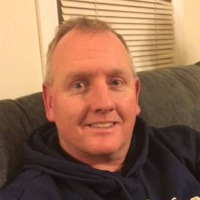
John White is a Licensed Clinical Social Worker with twenty years of experience. He focuses on helping people who are struggling with anger, stress, anxiety, depression, and life transitions. He aims to offer straightforward, practical help and listens without judgment.
He draws on what has worked in his career with adults facing trauma and tough life choices. Sessions are a place to talk through what feels stuck, think about next steps, and practice small changes that add up.
Background and approach
He emphasizes clear goals and steady progress rather than quick fixes. John's background includes long-term work with veterans and roles supporting people in high-stress jobs. That history shaped his approach to problems like trauma, first responder strain, and fatherhood issues.
He uses that experience to tailor conversations to each person's situation and values. The methods he uses include Acceptance and Commitment Therapy, Cognitive Behavioral Therapy, Dialectical Behavior Therapy, client-centered listening, and mindfulness practices. These tools help people manage emotions, build coping skills, and reduce unhelpful patterns over time.
In sessions he mixes practical skill-building with reflective conversation. He helps people facing grief, relationship strain, addictions, sleep problems, or career decisions. People who want direct feedback and clear options tend to find this style helpful.
What John works with
Everything John lists, in the therapist's own terms. Anger is the reason this directory exists; the rest tells you what usually sits alongside it in John's practice.
- Stress, Anxiety
- Trauma and abuse
- Anger management
- Self esteem
- Depression
- Addictions
- Relationship issues
- Family conflicts
- Grief
- Intimacy-related issues
- Sleeping disorders
- Parenting issues
- Career difficulties
- Coping with life changes
- Coaching
- Compassion fatigue
- Avoidant personality
- Co-morbidity
- Communication problems
- Coping with natural or human-caused disaster
- Divorce and separation
- Emptiness
- Family problems
- Fatherhood issues
- First responder issues
- Forgiveness
- Guilt and shame
- Infidelity
- Isolation / loneliness
- Life purpose
- Men's issues
- Midlife crisis
- Veteran and Armed Forces Issues
- Money and financial issues
- Post-traumatic stress
- Self-love
- Sexuality
- Workplace issues
Approaches John lists
- Acceptance and Commitment Therapy (ACT)
- Client-Centered Therapy
- Cognitive Behavioral Therapy (CBT)
- Dialectical Behavior Therapy (DBT)
- Mindfulness Therapy
- Motivational Interviewing
- Narrative Therapy
- Solution-Focused Therapy
- Trauma-Focused Therapy
Listing an approach is not evidence of training in it. This directory copies what each therapist names and does not check training records.
How John’s Approaches Work Online
Acceptance and Commitment Therapy (ACT) helps people notice unhelpful thoughts and choose actions that match their values. It is useful for managing anger, anxiety, and decisions about life purpose. Cognitive Behavioral Therapy (CBT) focuses on identifying patterns of thought and behavior that keep problems going and replacing them with practical alternatives. It is often used for stress, depression, sleep issues, and anxiety. Mindfulness Therapy teaches simple attention and breathing practices to reduce reactivity and support emotional regulation, which can help with anger and trauma-related symptoms.Choosing the right approach is a collaborative process. The therapist will ask about concerns, goals, and past efforts, then suggest methods to try. Plans are adjusted as needed so the work matches the client's needs and preferences rather than following a fixed menu.
Online sessions are offered by video call, phone, live chat, or text-based messaging to make regular work more convenient. Video is useful for deeper conversations and skill demonstrations. Phone sessions can fit a busy schedule or when bandwidth is limited. Live chat and text messaging are helpful for brief check-ins, homework support, or when someone prefers not to be on camera. These options help people fit therapy into work, parenting, or other commitments while keeping the focus on practical progress.
Questions people ask about John
What concerns does he commonly address?
He works with people dealing with anger, stress, anxiety, depression, trauma, addictions, relationship and family issues, grief, sleep problems, parenting strain, career decisions, and related concerns.
What is his therapeutic style like?
He combines practical skill-building and reflective conversation. Sessions focus on clear goals, emotion regulation strategies, and steps people can try between meetings.
What is his professional background?
He has two decades of experience and a long history working with the veteran population and people in high-stress roles.
What credential does he hold and where is he based?
He is a Licensed Clinical Social Worker, listed as WI LCSW and ME LCSW, and practices from Wisconsin.
Which languages are supported for sessions?
Sessions are offered in English.
What session formats are available?
He offers video calls, phone sessions, live chat, and text-based messaging to fit different needs and schedules.
How is pricing handled?
Cost varies with location and therapist availability; sessions use a subscription model that can be canceled at any time.
How do I begin working with him?
Click the Start Therapy button, complete a short matching questionnaire, and schedule a session according to the therapist's availability.