Works with
- Anger
- Stress, Anxiety
- Family conflicts
- Self esteem
- ADHD
How Kara works
Practical facts
- Credentials
- LCMHC
- Licensed in
- North Carolina
- Years in practice
- 12
- Languages
- English
- Session format
- Online, through our partner platform
About Kara
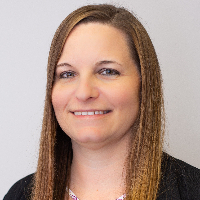
Kara Snodgrass is a Licensed Clinical Mental Health Counselor (LCMHC) based in North Carolina. She brings 12 years of experience supporting people through stress, anxiety, anger, grief, and parenting concerns. Kara aims to work alongside clients in a straightforward, respectful way.
Kara began her career as a family support worker, doing in-home work with families and children. That background shaped how she approaches practical problem solving. She has also supported people affected by substance use, child protective services, foster care situations, and crisis work focused on reunification when possible.
Background and approach
Her style is collaborative and client-centered. She listens first and follows the client’s lead, offering gentle guidance when useful. Kara uses a mix of methods chosen to match each person’s needs rather than a single fixed technique.
Kara works with a wide range of concerns. She commonly helps people with anxiety, depression, ADHD-related struggles, relationship stress, anger, parenting strain, compassion fatigue, and issues tied to guilt or shame. She also addresses pregnancy and childbirth concerns and women’s issues.
In sessions she may use cognitive behavioral tools to break unhelpful patterns, solution-focused steps to set small goals, and skills from dialectical behavior therapy to manage intense emotions. Motivational interviewing can help people find their own reasons to change. Kara offers conversations that are practical and aimed at day-to-day improvement.
Her practice includes video calls, phone sessions, live chat, and text messaging. She works with English-speaking clients and accepts international clients, using a subscription model that can be canceled at any time.
What Kara works with
Everything Kara lists, in the therapist's own terms. Anger is the reason this directory exists; the rest tells you what usually sits alongside it in Kara's practice.
- Stress, Anxiety
- Family conflicts
- Self esteem
- ADHD
- Relationship issues
- Grief
- Parenting issues
- Anger management
- Depression
- Compassion fatigue
- Control issues
- Forgiveness
- Guilt and shame
- Impulsivity
- Panic disorder and panic attacks
- Pregnancy and childbirth
- Women's issues
Approaches Kara lists
- Client-Centered Therapy
- Cognitive Behavioral Therapy (CBT)
- Dialectical Behavior Therapy (DBT)
- Motivational Interviewing
- Solution-Focused Therapy
Listing an approach is not evidence of training in it. This directory copies what each therapist names and does not check training records.
Approaches and online care that fit your life
Client-centered therapy focuses on listening and understanding. The therapist follows the client’s lead, reflects what they hear, and helps people identify what matters most to them. This approach is useful when someone needs empathetic support and a place to sort feelings.Cognitive Behavioral Therapy, or CBT, looks at how thoughts, feelings, and actions connect. It offers straightforward tools to change unhelpful thinking and small behavioral steps to reduce anxiety, panic attacks, or low mood. Dialectical Behavior Therapy, or DBT, teaches emotion regulation, distress tolerance, and better ways to handle strong reactions like anger or impulsivity.
Choosing the right approach is part of the work together. The therapist will talk with clients about goals and try techniques that match those goals. If something doesn’t fit, adjustments are made so the plan feels useful and realistic.
Online sessions use video calls, phone, live chat, or text-based messaging to make counseling more flexible. Video works well for deeper conversations, phone is an option if bandwidth is limited, live chat allows real-time typed check-ins, and messaging supports ongoing problem solving between sessions. These options help people fit care into busy days and varied schedules.
Questions people ask about Kara
What concerns does Kara help with?
She supports people dealing with stress, anxiety, anger, depression, grief, ADHD-related struggles, parenting strain, relationship issues, and compassion fatigue.
What is her therapeutic style like?
Her work is collaborative and client-centered. She listens first, follows the client’s lead, and offers practical tools when they seem helpful.
How much experience does she have?
Kara has 12 years of experience in mental health settings, including earlier work as a family support worker and many years providing counseling.
What are her credentials and where is she located?
She is a Licensed Clinical Mental Health Counselor, credentialed as NC LCMHC, and practices from North Carolina.
Which languages are supported and can international clients work together?
Sessions are offered in English and she accepts international clients.
In what formats are sessions offered?
Available formats include video calls, phone sessions, live chat, and text-based messaging to fit different schedules and needs.
How does pricing work?
Cost varies with location and therapist availability; sessions use a subscription that can be canceled at any time.
What are the first steps to begin?
Click the Start Therapy button, complete a short matching questionnaire, and then schedule sessions according to therapist availability.