Works with
How Karen works
Practical facts
- Credentials
- LCSW
- Licensed in
- Kansas, Washington, Missouri, Montana, Idaho, Oregon
- Years in practice
- 30
- Languages
- English
- Session format
- Online, through our partner platform
About Karen
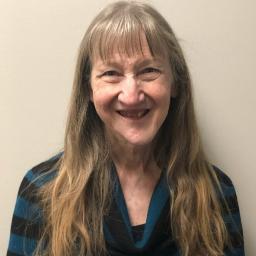
Karen Murphree is a licensed clinical social worker with thirty years of experience. She practices from Montana and brings a whole-person, strength-based perspective to the therapy room. Karen aims to help adults who feel stuck, overwhelmed, or unsure what to say about their struggles.
She listens for the practical problems behind stress, anxiety, anger, grief, and relationship concerns. Sessions use plain language and concrete tools so people can try changes that fit their day-to-day lives.
Background and approach
Karen often offers educational links and homework to help clients follow up between meetings. Her approach mixes evidence-based methods with creative techniques. She draws on cognitive behavioral strategies and dialectical behavior ideas alongside attachment-based ways of understanding relationships.
Karen also includes experiential tools such as guided imagery, music, art, movement, and breath work when those fit a person’s needs. Karen pays attention to lifestyle factors like sleep, food, and activity and how they affect mood and energy. She names patterns and limiting beliefs, then helps people test small changes.
The goal is usable, realistic shifts rather than long lists of abstract goals. She is LGBTQIA2S+ friendly and welcomes people with varied sexual and relationship identities. Karen describes herself as open to spiritual approaches and sometimes uses rituals or simple somatic practices when clients are interested.
Her style is respectful, warm, and nonjudgmental.
What Karen works with
Everything Karen lists, in the therapist's own terms. Anger is the reason this directory exists; the rest tells you what usually sits alongside it in Karen's practice.
- Stress, Anxiety
- Grief
- Self esteem
- Depression
- Coping with life changes
- LGBT
- Relationship issues
- Family conflicts
- Trauma and abuse
- Intimacy-related issues
- Anger management
- Compassion fatigue
- Abandonment
- Aging and geriatric issues
- Attachment issues
- BDSM, kink, and alternative sex culture
- Body image
- Cancer
- Caregiver issues and stress
- Chronic pain, illness, and disability
- Communication problems
- Control issues
- Divorce and separation
- Family of origin issues
- Forgiveness
- Gender dysphoria
- Guilt and shame
- Hospice and end-of-life counseling
- Isolation / loneliness
- Life purpose
- Midlife crisis
- Panic disorder and panic attacks
- Polyamory / non-monogamous relationships
- Post-traumatic stress
- Seasonal Affective Disorder (SAD)
- Self-harm
- Self-love
- Sexual assault and abuse
- Sexuality
- Social anxiety and phobia
- Visually impaired
- Women's issues
- Workplace issues
Approaches Karen lists
- Attachment-Based Therapy
- Client-Centered Therapy
- Cognitive Behavioral Therapy (CBT)
- Dialectical Behavior Therapy (DBT)
- Eye Movement Desensitization and Reprocessing (EMDR)
- Mindfulness Therapy
- Internal Family Systems
Listing an approach is not evidence of training in it. This directory copies what each therapist names and does not check training records.
Making therapeutic approaches work online
Attachment-based work focuses on how early relationships shape current connections. Online sessions can use conversation and guided reflection to notice attachment patterns, improve emotional attunement, and practice new ways of relating. Cognitive Behavioral Therapy, or CBT, helps identify unhelpful thoughts and behavior patterns and replace them with small, testable changes that reduce anxiety or improve mood. In remote sessions this often means setting simple experiments and reviewing results together. Dialectical Behavior Therapy, DBT, teaches practical skills for managing intense emotions and improving interpersonal effectiveness, which can be practiced and coached in live video or text check-ins.Finding the right approach is a collaborative process. Karen works with each person to pick methods that match their goals, values, and day-to-day life. She will check in about what helps and adjust strategies so therapy fits the client rather than the other way around.
Online therapy offers flexibility and various ways to stay connected. Video calls allow face-to-face interaction for skills practice and imagery work. Phone sessions can be a lower-bandwidth option for focused conversation. Live chat and text-based messaging are useful for short check-ins, coaching moments, or follow-up between longer sessions. These options make it easier to fit therapy into busy schedules and to try techniques in real time as life unfolds.
Questions people ask about Karen
What concerns does Karen address?
She helps people with stress, anxiety, anger, grief, depression, self-esteem, and relationship or intimacy-related issues.
How would you describe her therapy style?
Karen uses a blend of evidence-based methods and creative, experiential tools to make therapy practical and easy to try in daily life.
What is her professional background?
She is a licensed clinical social worker with thirty years of experience and a background that includes nursing and graduate-level study in natural and alternative healing.
Where does she practice and what are her credentials?
She practices from Montana and holds LCSW credentials listed as OR LCSW and MO LCSW.
Can sessions be held in other languages or internationally?
Sessions are offered in English and she does not accept international clients at this time.
What session formats are available?
Karen offers video calls, phone sessions, live chat, and text-based messaging to suit different schedules and preferences.
How are fees handled?
Cost varies with location and therapist availability and sessions use a subscription model that can be canceled at any time.
How do I start a therapy relationship?
Use the Start Therapy button, complete a short matching questionnaire, and schedule sessions according to therapist availability.