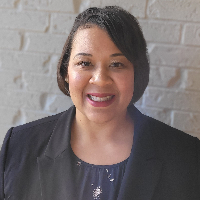
Lashannon Butler , LCSW
Compassionate social worker focused on practical change
Explore online therapy optionsHow Lashannon works
Practical facts
- Credentials
- LCSW
- Licensed in
- Mississippi
- Years in practice
- 6
- Languages
- English
- Session format
- Online, through our partner platform
About Lashannon
Lashannon Butler is a Licensed Clinical Social Worker (LCSW) with six years of clinical experience. She has helped people facing depression, anxiety, grief, life changes, anger, and career stress. Lashannon aims to create a calm, respectful space where clients can begin making changes at their own pace.
She prefers to meet people where they are and build a treatment plan that fits each person's needs. Sessions focus on practical steps and clear goals.
Background and approach
Lashannon uses conversational, down-to-earth language so clients can try new ideas quickly. Her work often addresses anxiety and mood concerns, coping with loss, and relationship and intimacy-related worries. She also supports people dealing with addiction, trauma and abuse, sleep and eating struggles, and issues around identity and LGBT concerns.
Anger management is one of the areas she helps people with when it affects daily life. In sessions she draws on client-centered methods and evidence-informed tools. That means she listens first, then suggests strategies such as thought-challenging and mindfulness to test in everyday moments.
Progress is built step by step, with attention to what actually works for each person. Lashannon offers multiple formats for meetings to fit different schedules and lifestyles. She works with adults across a range of life stages and focuses on practical coping skills, clearer communication, and rebuilding a sense of purpose.
What Lashannon works with
Everything Lashannon lists, in the therapist's own terms. Anger is the reason this directory exists; the rest tells you what usually sits alongside it in Lashannon's practice.
- Grief
- Intimacy-related issues
- Self esteem
- Depression
- Coping with life changes
- Stress, Anxiety
- Addictions
- LGBT
- Relationship issues
- Family conflicts
- Trauma and abuse
- Eating disorders
- Sleeping disorders
- Parenting issues
- Anger management
- Career difficulties
- Bipolar disorder
- Coaching
- Aging and geriatric issues
- Attachment issues
- Blended family issues
- Body image
- Communication problems
- Divorce and separation
- Domestic violence
- Family problems
- Forgiveness
- Isolation / loneliness
- Life purpose
- Money and financial issues
- Mood disorders
- Panic disorder and panic attacks
- Paranoia
- Personality disorders
- Postpartum depression
- Post-traumatic stress
- Pregnancy and childbirth
- Self-harm
- Self-love
- Women's issues
- Workplace issues
- Young adult issues
Approaches Lashannon lists
- Client-Centered Therapy
- Cognitive Behavioral Therapy (CBT)
- Mindfulness Therapy
- Motivational Interviewing
- Narrative Therapy
- Solution-Focused Therapy
Listing an approach is not evidence of training in it. This directory copies what each therapist names and does not check training records.
Approaches that guide online sessions
Client-centered therapy focuses on listening and understanding each person's experience. The therapist follows the client's lead, reflects what she hears, and helps the client set goals that feel manageable. This approach works well for people needing a respectful space to make changes at their own pace.Cognitive Behavioral Therapy, or CBT, looks at the links between thoughts, feelings, and actions. In practice this means identifying unhelpful thinking patterns and trying small behavioral experiments to see what helps. CBT is useful for anxiety, depression, stress, and anger-related problems.
Mindfulness methods introduce simple breathing and awareness exercises. These tools help people notice stress or strong emotions earlier so they can choose responses rather than react automatically. Mindfulness pairs easily with other strategies and can be practiced between sessions.
Choosing the right approach is a group effort. Lashannon will work with each person to decide which methods fit their goals, preferences, and daily life. She adjusts the plan as progress is made so the work stays practical and relevant.
Online formats available include video calls, phone sessions, live chat, and text-based messaging. Video makes it easier to read nonverbal cues, phone can be a lower-bandwidth option, and chat or messaging allow quick check-ins or ongoing reflection. These options give flexibility for fitting therapy into busy schedules and for trying different ways of connecting.
Questions people ask about Lashannon
What kinds of problems does Lashannon help with?
She works with people facing depression, anxiety, grief, stress, anger, relationship and intimacy concerns, and career or life-change challenges.
What is her therapy style like?
Her style is respectful and nonjudgmental. She listens first, then helps set practical goals and small steps clients can try between sessions.
How much experience does she have?
She has six years of experience as a Licensed Clinical Social Worker and has worked with people who have trauma, mood disorders, and addiction concerns.
Where is she based and licensed?
She practices in Mississippi and holds the MS LCSW credential.
Which languages are offered for sessions?
Sessions are offered in English.
What session formats are available?
She offers video calls, phone sessions, live chat, and text-based messaging to suit different needs and schedules.
How does pricing work for sessions?
Cost varies with location and therapist availability; sessions use a subscription that can be canceled at any time.
How do I begin working with her?
Click the Start Therapy button, complete a short matching questionnaire, and schedule sessions according to therapist availability.