Works with
- Anger
- Stress, Anxiety
- Anger management
- Self esteem
- Depression
- ADHD
How Latoyia works
Practical facts
- Credentials
- LCMHC
- Licensed in
- North Carolina
- Years in practice
- 11
- Languages
- English
- Session format
- Online, through our partner platform
About Latoyia
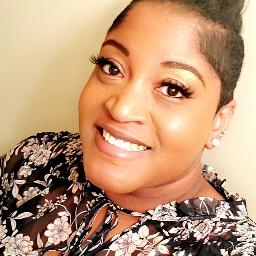
Latoyia Miller is a Licensed Clinical Mental Health Counselor (LCMHC) based in North Carolina. She focuses on helping people manage stress, anxiety, anger, low self-esteem, and other life changes. Her work also addresses mood challenges, addiction concerns, grief, parenting strain, and difficulties linked to attention differences.
She uses straightforward, person-centered conversations to understand what matters most to each client. Sessions emphasize clear goals and practical steps. She draws on cognitive behavioral ideas to spot patterns in thoughts and behaviors and tries to make small, useful changes that add up.
Background and approach
Motivational interviewing and solution-focused techniques are part of her approach when clients need help finding motivation or quick strategies for immediate problems. Narrative work helps people reframe difficult experiences and see new possibilities. The aim is collaboration - the client and therapist set the pace and direction together.
Her background includes more than a decade of work in mental health and substance use contexts across settings. This experience informs how she supports people through transitions, trauma, and complex stress. She explains steps clearly and works toward tangible goals that fit daily life.
Sessions are offered in English and use accessible language for parents and adults who need practical tools. People can expect a calm, direct style that focuses on what they want to change and how to get there.
What Latoyia works with
Everything Latoyia lists, in the therapist's own terms. Anger is the reason this directory exists; the rest tells you what usually sits alongside it in Latoyia's practice.
- Stress, Anxiety
- Anger management
- Self esteem
- Depression
- ADHD
- Addictions
- Relationship issues
- Family conflicts
- Trauma and abuse
- Grief
- Parenting issues
- Bipolar disorder
- Coping with life changes
- Abandonment
- Adoption and foster care
- Aging and geriatric issues
- Autism and Asperger Syndrome
- Caregiver issues and stress
- Co-morbidity
- Codependency
- Communication problems
- Control issues
- Disruptive Mood Dysregulation Disorder (DMDD)
- Family problems
- First responder issues
- Forgiveness
- Guilt and shame
- Impulsivity
- Isolation / loneliness
- Jealousy
- Life purpose
- Mood disorders
- Multicultural concerns
- Pregnancy and childbirth
- Prejudice and discrimination
- Seasonal Affective Disorder (SAD)
- Self-love
- Social anxiety and phobia
- Women's issues
- Workplace issues
- Young adult issues
Approaches Latoyia lists
- Client-Centered Therapy
- Cognitive Behavioral Therapy (CBT)
- Motivational Interviewing
- Narrative Therapy
- Solution-Focused Therapy
- Trauma-Focused Therapy
Listing an approach is not evidence of training in it. This directory copies what each therapist names and does not check training records.
Approaches that guide online sessions
Client-centered therapy focuses on listening and responding to each person’s concerns. The therapist follows the client’s lead, helps clarify what matters most, and works together on practical goals. This approach is useful for people who want a collaborative, respectful space to talk about anger, stress, or life changes.Cognitive Behavioral Therapy, or CBT, looks at how thoughts, feelings, and behaviors interact. Sessions aim to identify unhelpful patterns and practice small changes that reduce stress and impulsive reactions. CBT is often chosen for anxiety, anger management, and mood concerns.
Motivational Interviewing is a short-term approach that helps people find their own reasons to change. It works well when someone feels stuck or unmotivated about addressing addiction, impulsivity, or other habits they want to alter.
Finding the right mix of approaches is part of the work. The therapist will discuss goals and preferences and together decide which methods to try. This collaborative process helps tailor sessions to what fits the person’s life and needs.
Online sessions make scheduling and follow-up easier. Video calls let the therapist and client meet face to face when bandwidth allows. Phone sessions can be a good option when a quieter space or less bandwidth is needed. Live chat and text-based messaging offer brief check-ins, ongoing support between sessions, and flexibility for people who prefer writing. These formats increase accessibility and help people stay consistent with therapy.
Questions people ask about Latoyia
What concerns does Latoyia help with?
She supports people with stress, anxiety, anger, self-esteem, depression, ADHD, addictions, relationship and family problems, trauma and abuse, grief, parenting challenges, bipolar mood issues, and coping with life changes.
How would you describe her therapy style?
Her style is person-centered and collaborative. She focuses on clear goals and practical steps while listening to each person’s priorities.
What kind of experience does she bring?
She has 11 years of experience working in mental health and substance use settings and has supported people across a range of care environments.
What are her credentials and where is she based?
She is a Licensed Clinical Mental Health Counselor, LCMHC, licensed in North Carolina and practices from that state.
Which languages are supported for sessions?
Sessions are offered in English.
What session formats are available?
Sessions can take place via video calls, phone sessions, live chat, or text-based messaging.
How are fees and billing handled?
Cost varies with location and therapist availability; sessions use a subscription model that can be canceled at any time.
How do I begin working with her?
Start by selecting the Start Therapy button, completing a short matching questionnaire, and scheduling according to therapist availability.