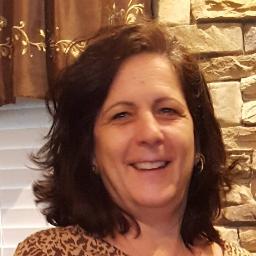
Lesia Lancaster, LCMHC
Compassionate counselor for anger and life stress
Explore online therapy optionsWorks with
How Lesia works
Practical facts
- Credentials
- LCMHC
- Licensed in
- North Carolina
- Years in practice
- 4
- Languages
- English
- Session format
- Online, through our partner platform
About Lesia
Lesia Lancaster is a Licensed Clinical Mental Health Counselor (LCMHC) who helps people manage anger, stress, anxiety, grief, and depression. She focuses on everyday problems that make life feel heavy. Her style is straightforward and compassionate.
She aims to help people regain a sense of control and purpose. Lesia meets clients where they are and does not push beyond readiness. She gently challenges people to notice patterns and try new ways of coping.
Background and approach
Sessions often begin with practical steps to reduce overwhelming feelings. Over time she supports changes that feel manageable and meaningful. Her work often addresses trauma, relationship strain, attachment concerns, and issues tied to family history.
She also supports people facing caregiver stress, loneliness, guilt, and life transitions like divorce or midlife shifts. When grief or end-of-life concerns are present, she helps people name their experience and find ways to move forward. Lesia uses approaches rooted in attachment-based work, client-centered listening, cognitive behavioral tools, existential reflection, and mindfulness practices.
These approaches are used to help with thought patterns, relationship dynamics, and grounding in the present moment. She has four years of clinical experience and practices in North Carolina. Sessions are offered in English and through a variety of online formats.
Lesia encourages a collaborative pace and supports people as they try new ways of coping and relating to themselves and others.
What Lesia works with
Everything Lesia lists, in the therapist's own terms. Anger is the reason this directory exists; the rest tells you what usually sits alongside it in Lesia's practice.
- Stress, Anxiety
- Trauma and abuse
- Grief
- Coping with life changes
- Relationship issues
- Family conflicts
- Intimacy-related issues
- Parenting issues
- Anger management
- Self esteem
- Depression
- Abandonment
- Attachment issues
- Caregiver issues and stress
- Codependency
- Communication problems
- Coping with natural or human-caused disaster
- Divorce and separation
- Emptiness
- Family of origin issues
- Family problems
- Guilt and shame
- Hospice and end-of-life counseling
- Isolation / loneliness
- Life purpose
- Midlife crisis
- Money and financial issues
- Panic disorder and panic attacks
- Post-traumatic stress
- Self-love
- Workplace issues
- Young adult issues
Approaches Lesia lists
- Attachment-Based Therapy
- Client-Centered Therapy
- Cognitive Behavioral Therapy (CBT)
- Existential Therapy
- Mindfulness Therapy
- Trauma-Focused Therapy
Listing an approach is not evidence of training in it. This directory copies what each therapist names and does not check training records.
Approaches that guide online work
Attachment-Based Therapy focuses on how early bonds affect current relationships. It looks at patterns of closeness and trust and helps people change how they relate to others and to themselves, which can reduce conflict and anxiety.Client-Centered Therapy centers the person in the room. The therapist listens without judgment, reflects what is said, and helps clients find their own answers. This approach supports people coping with grief, life changes, or feelings of emptiness.
Cognitive Behavioral Therapy, or CBT, targets unhelpful thought patterns and behaviors. It breaks down problems into manageable steps and teaches practical skills for anger, anxiety, and low mood.
Finding the right approach is part of the work. Lesia will talk with each person about goals and preferences and adapt methods together. This collaborative process helps identify what feels most useful in day-to-day life.
Online formats include video calls, phone sessions, live chat, and text-based messaging. Video sessions are good for face-to-face conversation and visual cues. Phone sessions can fit a busy schedule or use less bandwidth. Live chat and messaging allow shorter check-ins, ongoing reflection, or support between longer sessions. These options make it easier to fit therapy into a routine while using the approaches above to address anger, trauma, relationships, and life transitions.
Questions people ask about Lesia
What concerns does Lesia commonly address?
She works with stress, anxiety, grief, depression, anger, and problems tied to relationships and family history.
How would you describe her therapeutic style?
Her style is warm and direct. She listens closely and helps people try practical steps without pushing past readiness.
What is her clinical background?
She has four years of experience as a Licensed Clinical Mental Health Counselor (LCMHC) working with trauma, life transitions, and relationship concerns.
Where does she practice and what credential does she hold?
She practices in North Carolina and holds the LCMHC credential listed as NC LCMHC.
Which languages are supported for sessions?
Sessions are offered in English.
What session formats are available?
Sessions can be scheduled as video calls, phone sessions, live chat, or text-based messaging.
How are sessions paid for and what does cost depend on?
Cost varies with location and therapist availability and uses a subscription that can be canceled at any time.
How do I begin working with her?
Use the Start Therapy button, complete a short matching questionnaire, and schedule according to therapist availability.