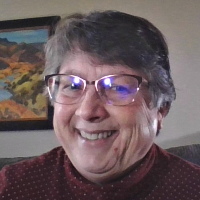
Works with
How Leslie works
Practical facts
- Credentials
- LMHC
- Licensed in
- Washington
- Years in practice
- 30
- Languages
- English
- Session format
- Online, through our partner platform
About Leslie
Leslie Cullen is a Licensed Mental Health Counselor with three decades of clinical experience. She helps people who are feeling overwhelmed by anger, stress, anxiety, depression, or life changes. She also supports those coping with trauma, addiction, ADHD, grief, relationship strain, and issues around intimacy and self-esteem.
Leslie focuses on present-day patterns and small, practical steps that change daily life. She uses straightforward techniques from cognitive and behavioral approaches to help people notice thoughts and shift unhelpful actions.
Background and approach
Sessions often include skill practice and strategies to manage strong emotions like anger and impulsivity. Her style is grounded and reflective. She listens for how past attachment and life events shape current reactions.
Then she works with clients to build a clearer sense of self and healthier ways of relating to others. Mindfulness and attention to how the nervous system responds are woven into this work. Leslie has a long history of working with LGBTQ needs, including gender and sexual orientation concerns.
She also attends to aging and caregiver stress, chronic mental health challenges, and end-of-life issues. Practical problem solving is balanced with exploring deeper meaning when that fits the client. People who want clear tools and steady guidance often find her approach helpful.
She encourages collaboration, simple experiments between sessions, and steady progress at a pace each person can manage.
What Leslie works with
Everything Leslie lists, in the therapist's own terms. Anger is the reason this directory exists; the rest tells you what usually sits alongside it in Leslie's practice.
- Stress, Anxiety
- LGBT
- Trauma and abuse
- Depression
- ADHD
- Addictions
- Relationship issues
- Grief
- Intimacy-related issues
- Sleeping disorders
- Anger management
- Self esteem
- Bipolar disorder
- Coping with life changes
- Compassion fatigue
- Aging and geriatric issues
- Attachment issues
- Autism and Asperger Syndrome
- Caregiver issues and stress
- Co-morbidity
- Communication problems
- Control issues
- Dissociation
- Forgiveness
- Gender dysphoria
- Guilt and shame
- HIV / AIDS
- Hospice and end-of-life counseling
- Impulsivity
- Isolation / loneliness
- Life purpose
- Midlife crisis
- Mood disorders
- Multicultural concerns
- Obsessions, compulsions, and OCD
- Panic disorder and panic attacks
- Phobias
- Polyamory / non-monogamous relationships
- Post-traumatic stress
- Seasonal Affective Disorder (SAD)
- Self-harm
- Sexual assault and abuse
- Sexual dysfunction
- Sexuality
- Social anxiety and phobia
- Traumatic brain injury
- Women's issues
Approaches Leslie lists
- Attachment-Based Therapy
- Client-Centered Therapy
- Cognitive Behavioral Therapy (CBT)
- Dialectical Behavior Therapy (DBT)
- Jungian Therapy
- Mindfulness Therapy
- Motivational Interviewing
- Psychodynamic Therapy
- Solution-Focused Therapy
- Trauma-Focused Therapy
Listing an approach is not evidence of training in it. This directory copies what each therapist names and does not check training records.
How Leslie’s Approaches Translate to Online Care
Leslie integrates Client-Centered Therapy and Cognitive Behavioral Therapy in straightforward ways online. Client-Centered Therapy focuses on listening, empathy, and helping people find their own answers; online sessions use open conversation and reflective questions to build that trusting connection. Cognitive Behavioral Therapy looks at thoughts and behaviors, and online work often includes short exercises or thought records to try between sessions to reduce anger and anxiety.Finding the right approach is a collaborative process. Leslie will talk with each person about goals, what has worked before, and what feels doable. Together they adjust techniques and pace so the work matches the client's needs and preferences rather than forcing one fixed method.
Online formats offer practical flexibility. Video calls allow face-to-face discussion and practice of skills, phone sessions can be easier when bandwidth is limited, live chat supports quick check-ins or written reflection, and text-based messaging helps with brief coaching or ongoing reminders. These options help people fit therapy into busy days and keep momentum between meetings.
Questions people ask about Leslie
What concerns does Leslie address?
She helps with anger, stress, anxiety, depression, trauma, addictions, ADHD, grief, intimacy struggles, and related issues such as sleep problems and low self-esteem.
What is her therapeutic style like?
Leslie uses present-focused, practical work drawing on cognitive and behavioral methods, plus attachment and mindfulness-informed reflection to help people change daily habits and reactions.
How much clinical experience does she have?
She brings 30 years of experience as a Licensed Mental Health Counselor working across a range of mental health and substance use concerns.
Where is she licensed and based?
Leslie holds a Washington LMHC credential and practices in the state of Washington.
Which languages are sessions offered in?
Sessions are offered in English.
What session formats are available?
She offers video calls, phone sessions, live chat, and text-based messaging to fit different needs and schedules.
How does billing and cost work?
Cost varies with location and therapist arrangements; sessions use a subscription model that can be canceled at any time.
How do I begin working with her?
Start by selecting the Start Therapy button, complete a short matching questionnaire, and then schedule sessions based on the therapist's availability.