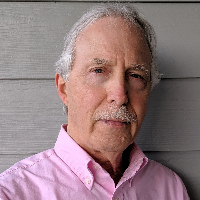
Dr. Leslie "Les" Netland, OR Psychologist
Experienced psychologist helping people manage anger and life stress
Book with LeslieWorks with
- Anger
- Stress, Anxiety
- LGBT
- Relationship issues
- Anger management
- Depression
How Leslie works
Practical facts
- Credentials
- OR Psychologist
- Licensed in
- Oregon
- Years in practice
- 30
- Languages
- English
- Session format
- Online, through our partner platform
About Leslie
Dr. Leslie "Les" Netland focuses on helping people who feel stuck by anger, anxiety, stress, grief, or relationship strain. He sees individuals in late teens and older who want practical steps to change thoughts, moods, and behavior.
He writes and talks plainly about goals and what happens in sessions. Les brings three decades of clinical work across many settings. His background includes a doctorate in clinical psychology and experience in state hospitals, county jails, nursing homes, personal psychiatric settings, Employee Assistance Programs, and independent practice.
Background and approach
That variety shaped a direct, flexible style that adapts to different concerns. Sessions are collaborative and goal oriented. He uses client-centered listening to understand what matters most, then layers tools from cognitive behavioral approaches to shift unhelpful thinking and behavior.
He also draws on psychodynamic ideas to look at patterns from the past when that helps clarify present struggles. Mindfulness techniques are offered to reduce reactivity and improve focus during stressful moments. Solution-focused strategies are used to set small, actionable steps so clients notice progress between sessions.
Les frames therapy as a learning process where insight and practice lead to change. He is comfortable addressing a wide range of concerns including anger, depression, addictions, trauma, parenting stress, ADHD, and issues around identity and intimacy. People who want straightforward feedback, practical skills, and a thoughtful review of life patterns often find his approach useful.
What Leslie works with
Everything Leslie lists, in the therapist's own terms. Anger is the reason this directory exists; the rest tells you what usually sits alongside it in Leslie's practice.
- Stress, Anxiety
- LGBT
- Relationship issues
- Anger management
- Depression
- Addictions
- Family conflicts
- Trauma and abuse
- Grief
- Intimacy-related issues
- Eating disorders
- Parenting issues
- Self esteem
- Career difficulties
- Bipolar disorder
- Coping with life changes
- ADHD
- Abandonment
- Aging and geriatric issues
- Attachment issues
- Avoidant personality
- Blended family issues
- Caregiver issues and stress
- Codependency
- Commitment issues
- Communication problems
- Control issues
- Divorce and separation
- Domestic violence
- Drug and alcohol addiction
- Eating and food-related issues
- Emptiness
- Family of origin issues
- Family problems
- Fatherhood issues
- Forgiveness
- Gender dysphoria
- Guilt and shame
- Hospice and end-of-life counseling
- Infidelity
- Isolation / loneliness
- Jealousy
- Life purpose
- Men's issues
- Midlife crisis
- Veteran and Armed Forces Issues
- Mood disorders
- Multicultural concerns
- Obsessions, compulsions, and OCD
- Panic disorder and panic attacks
- Personality disorders
- Phobias
- Polyamory / non-monogamous relationships
- Post-traumatic stress
- Process addiction (porn, exercise, gambling)
- Seasonal Affective Disorder (SAD)
- Social anxiety and phobia
- Workplace issues
- Young adult issues
Approaches Leslie lists
- Client-Centered Therapy
- Cognitive Behavioral Therapy (CBT)
- Mindfulness Therapy
- Psychodynamic Therapy
- Solution-Focused Therapy
Listing an approach is not evidence of training in it. This directory copies what each therapist names and does not check training records.
Approaches and how online sessions support progress
Client-centered therapy starts by listening closely to each person's experience and priorities, then shaping sessions around what matters most to them. This approach helps people feel heard and guides the choice of practical goals and strategies.Cognitive Behavioral Therapy, or CBT, focuses on identifying unhelpful thoughts and testing new behaviors. It is useful for anger, anxiety, depression, and stress because it breaks problems into clear, solvable pieces and offers concrete skills to practice between sessions.
Mindfulness Therapy teaches attention and calming skills to reduce reactivity and improve concentration in difficult moments. It pairs well with CBT tools when someone needs both skill practice and emotional regulation.
Finding the right mix of approaches is part of the work. The therapist will collaborate with the client to pick techniques that fit the person's goals, history, and preferences. That choice may shift as progress is made or new needs emerge.
Online sessions are offered by video calls, phone, live chat, or text-based messaging to make therapy easier to fit into real life. Video lets people work face-to-face from different locations. Phone sessions can be simpler when bandwidth or camera use is a concern. Live chat and text messaging provide brief check-ins, homework support, or a way to process between regular sessions. These options aim to increase flexibility and make it easier to practice skills regularly.
Questions people ask about Leslie
What kinds of concerns does this therapist address?
This therapist works with many issues including anger, stress, anxiety, depression, addictions, trauma and abuse, grief, relationship and intimacy concerns, parenting and family stress, ADHD, and career or life transition problems.
What is the therapist's overall approach in sessions?
Sessions combine client-centered listening with practical techniques from cognitive behavioral, mindfulness, psychodynamic, and solution-focused approaches to help clients change thoughts, behavior, and emotional reactions.
How much clinical experience does the therapist have?
He has 30 years of clinical experience across hospitals, jails, nursing homes, personal psychiatric care, Employee Assistance Programs, and independent practice.
What are the therapist's credentials and where is he located?
He is listed as OR Psychologist 3296 and practices in Oregon.
Which languages are supported for sessions?
Sessions are offered in English.
What session formats are available?
Sessions can be scheduled as video calls, phone sessions, live chat, or text-based messaging.
How is cost handled for therapy?
Cost varies with location and therapist availability; sessions use a subscription that can be canceled at any time.
How do I begin working with this therapist?
Start by selecting the Start Therapy button, complete a short matching questionnaire, and then schedule sessions according to the therapist's availability.