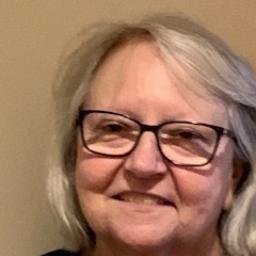
Linda Thomas, LISW-CP
Practical support for strong emotions and life changes
Explore online therapy optionsWorks with
- Anger
- Stress, Anxiety
- Addictions
- Relationship issues
- Depression
- Coping with life changes
How Linda works
Practical facts
- Credentials
- LISW-CP
- Licensed in
- South Carolina
- Years in practice
- 30
- Languages
- English
- Session format
- Online, through our partner platform
About Linda
Linda Thomas is a clinical social worker with thirty years of experience helping people manage strong emotions and life changes. She offers straightforward, practical guidance for issues such as anger, stress, anxiety, addiction, depression, and grief. Linda speaks English and sees clients in South Carolina as well as internationally through online formats.
Her work is direct and down-to-earth. She draws on approaches like Cognitive Behavioral Therapy, Acceptance and Commitment Therapy, Dialectical Behavior Therapy, Mindfulness, and Motivational Interviewing to help people change unhelpful patterns and build new coping skills.
Background and approach
Sessions focus on clear tools and steps the client can use between meetings. Linda trained in social work at Florida State University and began her career representing people with serious mental illness and working in an addictions and detox setting.
Early in the 1990s she helped start one of the first HIV support groups in Atlanta, and she has provided counseling in hospital emergency settings. Her background also includes contract work with the Department of Defense, providing services on military bases in Germany, Norway, and Greenland.
That mix of public, hospital, and outreach work shapes her practical style and comfort with complex, layered problems. Clients can expect a collaborative approach that emphasizes safety, skill building, and honest conversation. Linda helps people break cycles that fuel anger, improve relationships, and regain a clearer sense of purpose and direction.
What Linda works with
Everything Linda lists, in the therapist's own terms. Anger is the reason this directory exists; the rest tells you what usually sits alongside it in Linda's practice.
- Stress, Anxiety
- Addictions
- Relationship issues
- Depression
- Coping with life changes
- LGBT
- Family conflicts
- Trauma and abuse
- Grief
- Intimacy-related issues
- Eating disorders
- Parenting issues
- Anger management
- Self esteem
- Career difficulties
- Bipolar disorder
- Caregiver issues and stress
- Co-morbidity
- Codependency
- Control issues
- Divorce and separation
- Drug and alcohol addiction
- Family problems
- Forgiveness
- HIV / AIDS
- Hospice and end-of-life counseling
- Infidelity
- Isolation / loneliness
- Life purpose
- Panic disorder and panic attacks
- Personality disorders
- Smoking / vaping cessation
- Social anxiety and phobia
- Women's issues
- Workplace issues
Approaches Linda lists
- Acceptance and Commitment Therapy (ACT)
- Cognitive Behavioral Therapy (CBT)
- Dialectical Behavior Therapy (DBT)
- Mindfulness Therapy
- Motivational Interviewing
- Psychodynamic Therapy
- Solution-Focused Therapy
Listing an approach is not evidence of training in it. This directory copies what each therapist names and does not check training records.
How Linda Uses Evidence-Based Approaches Online
Linda often uses Cognitive Behavioral Therapy to help people identify unhelpful thoughts and test them against real-life evidence, which is useful for anxiety, depression, and anger. Acceptance and Commitment Therapy is another common choice; it focuses on clarifying values and building actions that align with those values even when emotions are difficult. Dialectical Behavior Therapy skills are taught when strong emotions or impulsive reactions cause trouble, offering concrete techniques for distress tolerance and emotional regulation.Finding the right approach is part of the work. Linda collaborates with each person to match techniques to their goals and preferences. She adjusts methods over time so sessions stay relevant and practical, and she helps people practice new skills between meetings.
Online options include video calls, phone sessions, live chat, and text-based messaging. Video sessions allow face-to-face conversation and skill demonstrations. Phone sessions can be a good fit when bandwidth is limited or a quieter check-in is needed. Live chat and messaging make shorter check-ins and step-by-step coaching possible without scheduling a full call. These formats aim to make therapy easier to fit into a busy life while keeping the focus on skill building and real-world progress.
Questions people ask about Linda
What kinds of concerns can Linda help with?
She helps with a wide range of issues including anger, stress, anxiety, addictions, depression, grief, relationship and intimacy concerns, eating issues, and career-related stress.
How would she describe her therapeutic style?
Her style is practical and collaborative, using tools from CBT, ACT, DBT, mindfulness, and motivational interviewing to teach skills and change patterns.
What is her professional background?
She graduated from the Master of Social Work program at Florida State University and has worked across hospital, public defender, addictions, and outreach settings for 30 years.
Where is she based and licensed?
She practices in South Carolina and holds the credential SC LISW-CP.
Can sessions be conducted in other languages or from other countries?
Sessions are offered in English and she accepts international clients.
What session formats are available?
Linda meets via video calls, phone sessions, live chat, and text-based messaging to fit different schedules and needs.
How are fees and billing handled?
Cost varies by location and therapist availability; sessions use a subscription model that can be canceled at any time.
How do I begin working with her?
To get started, select the Start Therapy button, complete a short matching questionnaire, and schedule a session according to the therapist's availability.