Works with
- Anger
- Addictions
- Family conflicts
- Trauma and abuse
- Parenting issues
- Self esteem
How Lindsay works
- Not listed
Practical facts
- Credentials
- LCSW
- Licensed in
- Connecticut
- Years in practice
- 18
- Languages
- English
- Session format
- Online, through our partner platform
About Lindsay
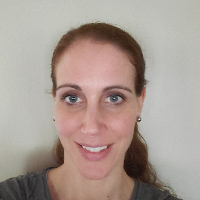
Lindsay Zimmitti is a licensed clinical social worker who helps people manage strong emotions and regain control. She focuses on practical steps so clients can solve problems and reach goals. Lindsay is straightforward and works side by side with clients to find workable solutions.
She uses a strength-based outlook, starting from what already works for each person. Conversations focus on concrete tools for coping with anger, anxiety, depression, addiction, grief, or major life changes.
Background and approach
Lindsay aims to make changes feel manageable rather than overwhelming. Over an 18-year career she has worked in inpatient and outpatient programs, in-home support, and school settings. Her background includes a Bachelor’s degree in psychology, a master’s in social work, and a prior master’s and certification in special education.
Those varied roles inform a practical, flexible style in sessions. Sessions are shaped to fit each person’s needs. Lindsay draws on evidence-based therapeutic techniques and adapts interventions to match goals and circumstances.
She helps clients practice skills, try new approaches, and track progress between sessions. People contact Lindsay for help with anger, trauma, relationship strain, parenting stress, career transitions, attention differences, mood concerns, and substance use. She aims to reduce barriers that get in the way of feeling fulfilled and meeting personal aims.
What Lindsay works with
Everything Lindsay lists, in the therapist's own terms. Anger is the reason this directory exists; the rest tells you what usually sits alongside it in Lindsay's practice.
How evidence-based techniques translate to online care
Two common evidence-based approaches she uses are skills-based problem solving and trauma-informed coping strategies. Skills-based problem solving teaches clear steps to identify a problem, pick options, and test solutions - helpful for anger, stress, and everyday conflicts. Trauma-informed coping strategies focus on pacing, grounding, and rebuilding a sense of safety so people can manage strong emotions and move forward after difficult events.Finding the right approach is a collaborative process. The therapist will talk with each person about goals, preferences, and how symptoms show up day to day, then pick or adapt techniques together. That way the plan fits the person rather than forcing a single method.
Online therapy offers flexibility and practical options. Video calls let the therapist and client work face to face when a deeper discussion is needed. Phone sessions can be easier when bandwidth is limited or for shorter check-ins. Live chat and text-based messaging make it simpler to fit support into busy days and to share quick updates between sessions. These formats make regular work on goals easier to maintain across schedules and locations.
Questions people ask about Lindsay
What concerns does she address?
She works with a wide range of issues including anger, anxiety, depression, addictions, trauma, grief, relationship and intimacy concerns, parenting strain, ADHD, bipolar mood concerns, career stress, and coping with life changes.
How would you describe her therapeutic style?
Her style is strength-based and practical. Sessions focus on problem solving, skill-building, and clear steps clients can use between appointments.
What is her professional background?
She has 18 years of experience working in inpatient and outpatient settings, in-home services, and schools, and holds a Bachelor’s in psychology and a Master’s in social work.
What credentials and location are listed?
She is a licensed clinical social worker, LCSW, licensed in Connecticut and practices from that state.
Are sessions available in other languages or internationally?
Sessions are offered in English and she accepts international clients.
Which session formats are offered?
Sessions can be scheduled as video calls, phone sessions, live chat, or text-based messaging to match different needs and schedules.
How are fees and subscription handled?
Cost varies with location and therapist availability; therapy uses a subscription model that can be canceled at any time.
What steps start the process?
Begin by selecting the Start Therapy button, complete a short matching questionnaire, and then schedule sessions according to the therapist's availability.