Works with
How Marguerite works
Practical facts
- Credentials
- LCMHC
- Licensed in
- North Carolina
- Years in practice
- 25
- Languages
- English
- Session format
- Online, through our partner platform
About Marguerite
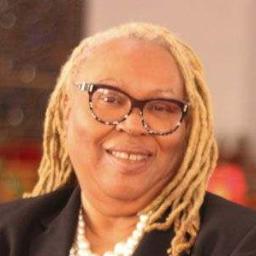
Dr. Marguerite Allen focuses on helping people who feel stuck, overwhelmed, or easily angered. She speaks plainly and works with people who want real changes in how they cope.
Her first goal is to make practical steps that fit a person's life and values. She uses straightforward conversations to identify what makes problems worse. Then she helps clients try new skills and habits that reduce stress and reactivity.
She draws on a mix of counseling methods to match each person's needs rather than using a single fixed plan.
Background and approach
Marguerite trained in behavioral studies and psychology and holds a Doctor of Ministry in Christian Counseling. She is a Licensed Clinical Mental Health Counselor, LCMHC, practicing in North Carolina for 25 years. That background shapes a calm, experienced approach to common concerns like anxiety, depression, grief, and anger.
In sessions she focuses on building skills people can use between meetings. This can include practical coping strategies, ways to challenge unhelpful thoughts, and techniques to handle strong emotions in the moment. She also addresses issues like substance use, relationship strain, and life transitions.
Her style is collaborative and goal-oriented. She listens for what matters most to each person and then helps design simple steps toward those goals. People who prefer clear guidance, steady support, and tools they can practice at home often find this approach helpful.
What Marguerite works with
Everything Marguerite lists, in the therapist's own terms. Anger is the reason this directory exists; the rest tells you what usually sits alongside it in Marguerite's practice.
- Stress, Anxiety
- Trauma and abuse
- Grief
- Self esteem
- Depression
- Addictions
- Relationship issues
- Family conflicts
- Parenting issues
- Anger management
- Career difficulties
- Bipolar disorder
- Coping with life changes
- Codependency
- Control issues
- Disruptive Mood Dysregulation Disorder (DMDD)
- Dissociation
- Divorce and separation
- Domestic violence
- Drug and alcohol addiction
- Forgiveness
- Guilt and shame
- Impulsivity
- Isolation / loneliness
- Life purpose
- Mood disorders
- Multicultural concerns
- Panic disorder and panic attacks
- Post-traumatic stress
- Prejudice and discrimination
- Self-love
- Social anxiety and phobia
- Women's issues
- Young adult issues
Approaches Marguerite lists
- Client-Centered Therapy
- Cognitive Behavioral Therapy (CBT)
- Dialectical Behavior Therapy (DBT)
- Motivational Interviewing
- Solution-Focused Therapy
- Trauma-Focused Therapy
Listing an approach is not evidence of training in it. This directory copies what each therapist names and does not check training records.
How practical approaches translate to online therapy
Client-Centered Therapy focuses on listening and responding to what matters most to each person. It helps people feel heard and guides conversations toward their goals. Cognitive Behavioral Therapy, or CBT, teaches clear techniques to change unhelpful thoughts and behaviors, which can reduce symptoms like anxiety, depression, and anger. Dialectical Behavior Therapy, DBT, adds skills for emotion regulation, distress tolerance, and better interpersonal boundaries, useful for strong mood swings and impulsivity.Choosing the right approach is a team effort. The therapist will talk with the client about goals, try methods that match those goals, and adjust as needed. The process is collaborative so people can see which tools feel most helpful for their situation.
Online therapy lets people access these approaches through video calls, phone sessions, live chat, or text-based messaging. Video is good for face-to-face conversation and practicing skills together. Phone sessions work well when bandwidth is limited or when someone prefers not to be on camera. Live chat and text messaging can support quick check-ins, milestones, or short skills practice between sessions. These options make it easier to fit therapy into a busy life and keep momentum between appointments.
Questions people ask about Marguerite
What concerns does this therapist commonly address?
She helps people with stress, anxiety, trauma, grief, low self-esteem, depression, addictions, anger, and related mood and relationship difficulties.
What is her general therapeutic style?
Her work is practical and collaborative. She mixes client-centered conversation with structured techniques to build coping skills and change unhelpful habits.
How much clinical experience does she have?
She has 25 years of experience working as a therapist in clinical and counseling roles.
What are her credentials and where is she located?
She is a Licensed Clinical Mental Health Counselor, LCMHC, practicing in North Carolina.
Which languages are supported for sessions?
Sessions are offered in English.
What session formats are available?
She offers video calls, phone sessions, live chat, and text-based messaging for online work.
How does billing or cost work?
Cost varies with location and therapist availability; sessions use a subscription model that can be canceled at any time.
How do I begin working with her?
Use the Start Therapy button, complete a short matching questionnaire, and then schedule sessions based on therapist availability.