Works with
- Anger
- Stress, Anxiety
- Trauma and abuse
- Parenting issues
- Depression
- ADHD
How Maria works
Practical facts
- Credentials
- LCSW
- Licensed in
- New Jersey
- Years in practice
- 30
- Languages
- English, Spanish
- Session format
- Online, through our partner platform
About Maria
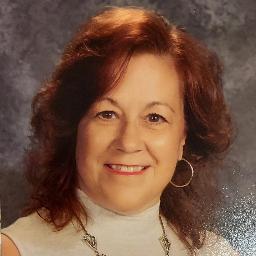
Maria Farraye-Biggs is a Licensed Clinical Social Worker who helps people facing stress, anxiety, anger, and life changes. She has three decades of experience and speaks English and Spanish. Maria aims to build a trusting relationship so clients feel heard and understood.
She draws on a mix of approaches to meet each person where they are. Sessions often include practical tools to manage strong feelings and steps to change patterns that cause trouble at work or home.
Background and approach
Maria also uses conversation to uncover deeper themes that influence current behaviors. Maria understands what it feels like to be in the therapy chair. She has navigated personal health challenges and the stresses of being a first-generation American.
Those experiences inform how she listens and responds to others going through hard times. Her work has included independent practice and other clinical settings. Over the years she has supported people with parenting concerns, ADHD, mood disorders, grief, trauma, and concerns related to identity and discrimination.
She focuses on building skills and insight so people can move forward with clearer goals. Maria describes her style as caring, direct, and reflective. She will offer guidance and challenge when it helps, while centering each person's strengths.
If someone wants a partner who combines practical strategies with empathic listening, she aims to provide that support.
What Maria works with
Everything Maria lists, in the therapist's own terms. Anger is the reason this directory exists; the rest tells you what usually sits alongside it in Maria's practice.
- Stress, Anxiety
- Trauma and abuse
- Parenting issues
- Depression
- ADHD
- LGBT
- Relationship issues
- Family conflicts
- Grief
- Intimacy-related issues
- Anger management
- Self esteem
- Career difficulties
- Bipolar disorder
- Coping with life changes
- Autism and Asperger Syndrome
- Communication problems
- Control issues
- Disruptive Mood Dysregulation Disorder (DMDD)
- Divorce and separation
- Family of origin issues
- Life purpose
- Mood disorders
- Multicultural concerns
- Postpartum depression
- Prejudice and discrimination
- Seasonal Affective Disorder (SAD)
- Self-love
- Women's issues
- Workplace issues
- Young adult issues
Approaches Maria lists
- Client-Centered Therapy
- Cognitive Behavioral Therapy (CBT)
- Emotionally-Focused Therapy (EFT)
- Psychodynamic Therapy
- Solution-Focused Therapy
- Trauma-Focused Therapy
Listing an approach is not evidence of training in it. This directory copies what each therapist names and does not check training records.
How therapy approaches translate to online work
Client-Centered Therapy focuses on listening and responding to each person's experience. The therapist creates space for clients to tell their story and helps them identify what feels most important to change, which can be useful for stress, identity concerns, and self-esteem work.Cognitive Behavioral Therapy (CBT) gives concrete skills to spot unhelpful thoughts and test new behaviors. It often helps with anxiety, depression, anger, and mood regulation by teaching step-by-step exercises and experiments to try between sessions.
Emotionally-Focused Therapy (EFT) helps people name and shift intense emotions that get in the way of connection and personal wellbeing. It can be helpful for intimacy-related concerns and strong relational feelings.
Finding the right approach is part of the process and will be collaborative. The therapist will discuss goals and preferences, try methods that fit the issue, and adjust treatment as needs change. Clients help shape the work and decide what feels most helpful.
Online therapy here uses video calls, phone sessions, live chat, and text-based messaging. Video sessions let people see facial cues and practice skills in real time. Phone calls require less bandwidth and can fit into a work break. Live chat and messaging offer shorter check-ins or written reflection over time. These options give flexibility to fit therapy into a busy life.
Questions people ask about Maria
What concerns does Maria help address?
She works with stress, anxiety, anger, depression, trauma, parenting challenges, ADHD, relationship and intimacy issues, grief, career and life transitions among other concerns.
What is her general therapy style?
Her approach is interactive and client-centered, blending practical skills with deeper conversation. She aims to listen closely, offer guidance, and challenge when it supports growth.
How much clinical experience does she have?
She has 30 years of experience working in independent practice and other clinical settings.
What credentials and location apply?
She is a Licensed Clinical Social Worker with a New Jersey LCSW and practices from New Jersey.
Which languages are available for sessions?
Sessions are offered in English and Spanish.
Can international clients work with her?
She is not currently accepting international clients.
What session formats are offered?
She meets by video calls, phone sessions, live chat, and text-based messaging to suit different needs and schedules.
How do I begin working with her?
Use the Start Therapy button, complete a short matching questionnaire, and then schedule sessions according to therapist availability. Sessions use a subscription that can be canceled at any time.