Works with
- Anger
- Stress, Anxiety
- Grief
- Parenting issues
- Self esteem
- Depression
How Mary works
Practical facts
- Credentials
- LPC, LCMHC
- Licensed in
- Georgia, North Carolina
- Years in practice
- 12
- Languages
- English
- Session format
- Online, through our partner platform
About Mary
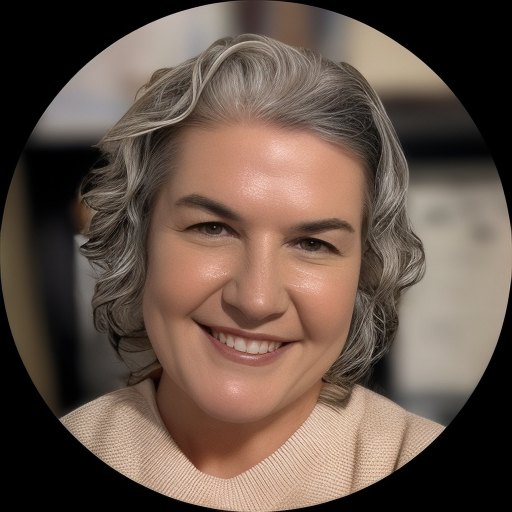
Mary Jo Ayllon is a Licensed Professional Counselor (LPC) with 12 years of clinical work. She practices in North Carolina and focuses on helping people manage stress, anxiety, grief, anger, and life changes. Her approach aims to make people feel heard and respected from the first session.
She uses clear, goal-focused methods that move at each person's pace. Sessions often include practical tools from Cognitive Behavioral Therapy and mindfulness to break unhelpful patterns.
Background and approach
Attachment-based ideas are used when relationships or past hurts shape current reactions. Mary Jo frames difficult emotions like shame, guilt, or anger as understandable responses to hard experiences. She helps people name those feelings and try small, manageable steps to change how they respond.
Parents and those facing workplace or cultural stressors can find ways to set priorities and cope day to day. When faith is important to a person, she can integrate a Biblically informed perspective alongside therapy strategies. That option is offered only when the client requests it, and it is used to connect values and spiritual resources to therapy goals.
Her style is warm and steady. She aims to build trust quickly, set clear goals, and offer practical exercises between sessions. The focus is on usable skills that fit into real life and help restore a sense of control and hope.
What Mary works with
Everything Mary lists, in the therapist's own terms. Anger is the reason this directory exists; the rest tells you what usually sits alongside it in Mary's practice.
- Stress, Anxiety
- Grief
- Parenting issues
- Self esteem
- Depression
- Relationship issues
- Family conflicts
- Trauma and abuse
- Eating disorders
- Anger management
- Career difficulties
- Bipolar disorder
- Coping with life changes
- ADHD
- Abandonment
- Attachment issues
- Body image
- Control issues
- Family problems
- Forgiveness
- Guilt and shame
- Multicultural concerns
- Obsessions, compulsions, and OCD
- Postpartum depression
- Pregnancy and childbirth
- Women's issues
- Workplace issues
- Young adult issues
Approaches Mary lists
- Acceptance and Commitment Therapy (ACT)
- Attachment-Based Therapy
- Client-Centered Therapy
- Cognitive Behavioral Therapy (CBT)
- Mindfulness Therapy
- Narrative Therapy
- Solution-Focused Therapy
- Trauma-Focused Therapy
Listing an approach is not evidence of training in it. This directory copies what each therapist names and does not check training records.
How therapeutic approaches translate to online care
Acceptance and Commitment Therapy (ACT) helps people notice painful thoughts without getting stuck in them and then choose actions that match their values. It often helps with anxiety, depression, and stress by focusing on meaningful behavior rather than just trying to eliminate uncomfortable feelings. Cognitive Behavioral Therapy (CBT) looks at the link between thoughts, feelings, and actions and teaches practical techniques to change unhelpful patterns. CBT is commonly used for anxiety, anger, OCD symptoms, and mood concerns. Attachment-Based Therapy pays attention to how early relationships shape current reactions and can be useful when relationship wounds, abandonment, or trust issues affect daily life.Choosing the right approach is a collaborative process. The therapist will discuss goals, preferences, and what feels most useful, and then try methods that fit the person's needs. If a client wishes, faith-based perspectives can be woven into sessions to connect spiritual values with therapy work.
Online therapy offers flexible ways to meet - video calls, phone sessions, live chat, or text-based messaging. Video is helpful for deeper conversation and exercises, phone sessions can be easier when bandwidth is limited, live chat is useful for shorter check-ins, and texting supports ongoing reminders or brief reflections between sessions. These options make it easier to fit sessions into work, caring duties, or busy days while keeping continuity of care with licensed professionals.
Questions people ask about Mary
What concerns does she address?
She works with stress, anxiety, depression, grief, anger, trauma, and related issues such as low self-esteem, OCD, ADHD, and workplace or family struggles.
What is her therapeutic style like?
Her style is warm and goal-focused, combining practical skills with attention to relationships and values. Sessions move at the client's pace and emphasize doable steps.
How much clinical experience does she have?
She has 12 years of experience practicing as a professional counselor, working with a range of concerns including trauma, grief, and life transitions.
What credentials and where is she licensed?
She holds LPC and LCMHC credentials and practices in North Carolina with prior licensure in Georgia noted as GA LPC and NC LCMHC.
Which languages are supported for sessions?
Sessions are offered in English.
Are international clients served?
International clients are not currently accepted.
What session formats are available?
She provides video calls, phone sessions, live chat, and text-based messaging to fit different needs and schedules.
How does the cost and start-up process work?
Cost varies with location and therapist availability and uses a subscription that can be canceled at any time. To begin, select Start Therapy, complete a short matching questionnaire, and schedule according to availability.