Works with
How Mary works
Practical facts
- Credentials
- LCSW
- Licensed in
- Washington, Illinois, Missouri, Oregon
- Years in practice
- 20
- Languages
- English
- Session format
- Online, through our partner platform
About Mary
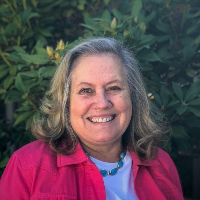
Dr. Mary Moran is a licensed clinical social worker with two decades of experience in mental health and substance use care. She practices in Washington and brings a calm, practical style to sessions.
She focuses on helping people manage strong emotions, stress, and life transitions. Her background includes a Bachelor of Arts in psychology, a Master of Social Work, and a Ph.D. Those academic steps inform her clinical judgment and supervision experience.
Background and approach
She has also served as a clinical supervisor for social workers and mental health counselors for more than 12 years. In conversation she keeps things straightforward. She listens first, then helps people clarify goals and try small, doable changes.
Sessions often look at the thoughts that drive behavior and the life circumstances that keep problems going. She uses tools that help with mood, anxiety, and anger while also noticing the role of relationships and environment. People looking for help with addictions, grief, or compassion fatigue will find practical techniques alongside supportive reflection.
Her work draws on cognitive-behavioral methods and mindfulness practices to build coping skills. She also brings approaches that consider relationship patterns and communication when relevant. Dr.
Moran aims to make therapy collaborative. She helps clients set clear goals, tracks progress, and adjusts the plan as needed. For those facing career shifts, caregiving strain, or recovery from trauma, she offers steady guidance and concrete strategies to try between sessions.
What Mary works with
Everything Mary lists, in the therapist's own terms. Anger is the reason this directory exists; the rest tells you what usually sits alongside it in Mary's practice.
- Stress, Anxiety
- Addictions
- LGBT
- Trauma and abuse
- Depression
- Relationship issues
- Family conflicts
- Grief
- Anger management
- Self esteem
- Career difficulties
- Coping with life changes
- Compassion fatigue
- ADHD
- Adoption and foster care
- Aging and geriatric issues
- Caregiver issues and stress
- Codependency
- Communication problems
- Divorce and separation
- Eating and food-related issues
- Emptiness
- Family of origin issues
- Family problems
- Hospice and end-of-life counseling
- Isolation / loneliness
- Midlife crisis
- Mood disorders
- Post-traumatic stress
- Seasonal Affective Disorder (SAD)
- Self-harm
- Self-love
- Sexuality
- Women's issues
- Workplace issues
Approaches Mary lists
- Client-Centered Therapy
- Cognitive Behavioral Therapy (CBT)
- Gottman Method
- Mindfulness Therapy
- Motivational Interviewing
- Narrative Therapy
- Psychodynamic Therapy
- Solution-Focused Therapy
- Trauma-Focused Therapy
Listing an approach is not evidence of training in it. This directory copies what each therapist names and does not check training records.
How therapy approaches translate online
Client-Centered Therapy focuses on creating an accepting, nonjudgmental space where the client leads the conversation and the therapist reflects concerns back to help clarify goals. This approach is useful when someone needs to sort through feelings or make a difficult decision.Cognitive Behavioral Therapy, or CBT, helps people notice and change unhelpful thinking and behavior patterns. It is often used for anxiety, depression, anger, and addictive behaviors and includes practical exercises to try between sessions.
Mindfulness Therapy teaches simple attention and breathing practices to reduce reactivity and improve emotional regulation. It pairs well with CBT when someone wants skills to manage strong feelings in daily life.
Finding the right approach is part of the work. Dr. Moran will discuss options and tailor methods to a person’s goals, preferences, and current challenges. The plan is adjusted as progress is tracked so the client and therapist collaborate on what helps most.
Online sessions are offered as video calls, phone sessions, live chat, or text-based messaging to provide flexibility. Video is useful for full conversations and visual cues. Phone calls can be easier when bandwidth is limited or when a shorter check-in fits the day. Live chat and messaging allow brief updates, quick strategies, or ongoing support between longer sessions.
Questions people ask about Mary
What concerns does she address?
She works with a wide range of concerns including stress, anxiety, addictions, depression, grief, anger, self esteem, ADHD, trauma and relationship issues.
What is her general therapy style?
Her approach is collaborative and goal oriented. She listens, helps set achievable goals, and teaches practical skills like thought tracking and mindfulness.
How much clinical experience does she have?
She has 20 years of experience in mental health and substance use treatment and has supervised social workers and counselors for over 12 years.
What credentials and location are listed?
She is an LCSW licensed in Illinois and Missouri and practices in Washington.
Which languages are supported for sessions?
Sessions are offered in English. International clients are not currently accepted.
What session formats are available?
She offers video calls, phone sessions, live chat, and text-based messaging to fit different needs and schedules.
How is cost handled for sessions?
Cost varies with location and therapist scheduling; sessions use a subscription model that can be canceled at any time.
How do I begin working with her?
Start by selecting the Start Therapy button, complete the short matching questionnaire, and then schedule sessions according to the therapist's availability.