Works with
- Anger
- Stress, Anxiety
- Relationship issues
- Self esteem
- Depression
- Coping with life changes
How Michael works
Practical facts
- Credentials
- LPC
- Licensed in
- Pennsylvania
- Years in practice
- 32
- Languages
- English
- Session format
- Online, through our partner platform
About Michael
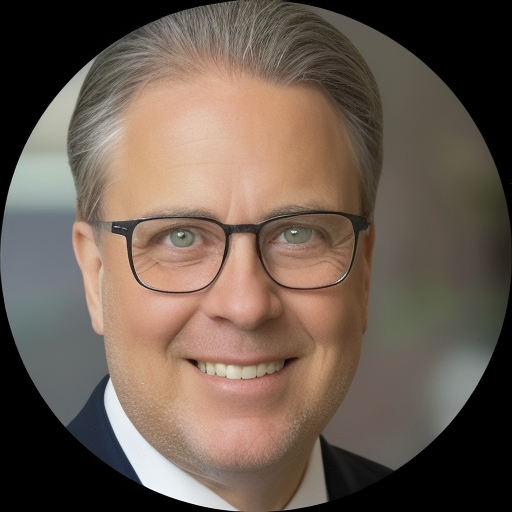
Michael Ermalinski is a Licensed Professional Counselor (LPC) with more than three decades of clinical experience. He trained in psychology and education at New York University and Saint Joseph's University, and completed additional graduate clinical work at the Illinois School for Professional Psychology in Chicago. Michael practices in Pennsylvania and offers a calm, straightforward way of helping people manage difficult emotions.
He focuses on problems like stress, anxiety, depression, anger, relationship troubles, addiction, grief, and coping with life changes.
Background and approach
He also addresses issues such as self-esteem, intimacy-related concerns, career stress, and compassion fatigue. His background includes work with trauma, bipolar disorder, ADHD, and a wide range of personality and behavior concerns. Michael uses a mix of therapy methods to suit each person.
He draws on client-centered listening, cognitive behavioral techniques, dialectical skills, motivational interviewing, and psychodynamic ideas. Sessions tend to be practical and conversational, with attention to patterns that cause recurring problems. People who choose him often want clear steps and real-world strategies alongside thoughtful listening.
He aims to help clients identify triggers, shift unhelpful thoughts, and build better coping skills. The work often blends short-term tools with deeper reflection about past patterns. Sessions can include talking through immediate challenges, practicing new behavior, and planning for long-term changes.
Michael frames challenges as solvable problems and helps people find manageable next steps toward better functioning and calmer relationships.
What Michael works with
Everything Michael lists, in the therapist's own terms. Anger is the reason this directory exists; the rest tells you what usually sits alongside it in Michael's practice.
- Stress, Anxiety
- Relationship issues
- Self esteem
- Depression
- Coping with life changes
- Addictions
- LGBT
- Family conflicts
- Trauma and abuse
- Grief
- Intimacy-related issues
- Anger management
- Career difficulties
- Bipolar disorder
- Coaching
- Compassion fatigue
- ADHD
- Abandonment
- Aging and geriatric issues
- Avoidant personality
- Cancer
- Caregiver issues and stress
- Chronic pain, illness, and disability
- Codependency
- Communication problems
- Dependent personality
- Drug and alcohol addiction
- Emptiness
- Family problems
- Forgiveness
- Guilt and shame
- Impulsivity
- Isolation / loneliness
- Jealousy
- Life purpose
- Men's issues
- Midlife crisis
- Mood disorders
- Narcissism
- Panic disorder and panic attacks
- Paranoia
- Personality disorders
- Phobias
- Post-traumatic stress
- Seasonal Affective Disorder (SAD)
- Sexuality
- Social anxiety and phobia
- Traumatic brain injury
Approaches Michael lists
- Client-Centered Therapy
- Cognitive Behavioral Therapy (CBT)
- Dialectical Behavior Therapy (DBT)
- Motivational Interviewing
- Psychodynamic Therapy
Listing an approach is not evidence of training in it. This directory copies what each therapist names and does not check training records.
Online approaches that fit your life
Michael blends client-centered therapy and cognitive behavioral therapy to help people understand feelings and change behavior. Client-centered therapy means he listens closely and follows what matters most to each person, helping them feel heard and understood. Cognitive behavioral therapy focuses on spotting unhelpful thoughts and practicing new responses, which can be useful for anxiety, anger, and mood concerns.He also uses elements of dialectical behavior therapy when people need skills for managing strong emotions and improving relationships. That approach emphasizes practical coping skills like distress tolerance and emotional regulation. Together these methods let him pair immediate skill-building with deeper conversation about patterns that repeat over time.
Finding the right approach is part of the work. He will collaborate with each person to choose methods that match their goals, needs, and comfort level. That means trying a few tools, tracking what helps, and adjusting the plan as progress is made.
Online formats include video calls, phone sessions, live chat, and text-based messaging, which offer flexible ways to fit therapy into a busy life. Video is useful for richer conversation, phone calls are good when bandwidth is limited, and chat or messaging can work for quick check-ins or when typing feels easier. These options make it simpler to schedule consistent sessions and keep momentum toward change.
Questions people ask about Michael
What concerns does Michael commonly address?
He works with stress, anxiety, depression, anger, relationship and intimacy issues, addiction, grief, and coping with life changes, among other concerns.
How would you describe his therapy style?
His approach is conversational and practical, combining listening with tools from several therapeutic methods to help people change unhelpful patterns.
What is his background and experience?
He has 32 years of clinical work, with degrees in psychology and education and additional graduate clinical training at the Illinois School for Professional Psychology.
What credentials and location are listed?
He is a Licensed Professional Counselor (LPC) practicing in Pennsylvania and uses the credential LPC.
Which languages are supported for sessions?
Sessions are offered in English.
What session formats does he offer?
He conducts video calls, phone sessions, live chat, and text-based messaging for online work.
How is cost handled for sessions?
Cost varies with location and therapist scheduling; sessions use a subscription model that can be canceled at any time.
How do I begin working with him?
Click the Start Therapy button, complete a short matching questionnaire, and schedule according to the therapist's availability.