Works with
- Anger
- Stress, Anxiety
- Relationship issues
- Family conflicts
- Parenting issues
- Anger management
How Michael works
Practical facts
- Credentials
- MD, LCSW-C
- Licensed in
- Maryland
- Years in practice
- 15
- Languages
- English
- Session format
- Online, through our partner platform
About Michael
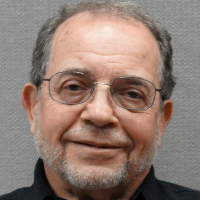
Michael Misterka is a licensed clinician who helps people manage stress, anger, anxiety, and relationship struggles. He brings 15 years of experience to sessions and works with adults on issues like parenting strain, addiction concerns, grief, and self-esteem. Michael holds an MD and is a Licensed Certified Social Worker-Clinical (LCSW-C).
He keeps sessions straightforward and practical. Conversations focus on what is happening now and what can change. He encourages honest talk about family background, attachment, and patterns that repeat across relationships.
Background and approach
Goals are set together so progress is clear and driven by the client. Michael blends a few therapy styles depending on the person’s needs. He uses attachment-based ideas to look at relationship patterns, emotionally-focused work to help name and shift strong feelings, and psychodynamic thinking to notice long-standing patterns.
Motivational interviewing and solution-focused techniques help people take small, manageable steps toward change. In practice he talks about behaviors, feelings, and choices in plain language. Sessions may include role-play, direct feedback, and homework that fits daily life.
He pays attention to practical barriers like work, parenting demands, or caregiving responsibilities when planning steps forward. People who come for help with anger, addiction, or trauma find a steady, collaborative approach. Michael aims to be a consistent partner through difficult changes, supporting clients as they try new ways of relating and coping.
What Michael works with
Everything Michael lists, in the therapist's own terms. Anger is the reason this directory exists; the rest tells you what usually sits alongside it in Michael's practice.
- Stress, Anxiety
- Relationship issues
- Family conflicts
- Parenting issues
- Anger management
- Addictions
- Trauma and abuse
- Grief
- Intimacy-related issues
- Self esteem
- Career difficulties
- Depression
- Coping with life changes
- ADHD
- Attachment issues
- Blended family issues
- Communication problems
- Divorce and separation
- Domestic violence
- Drug and alcohol addiction
- Family of origin issues
- Family problems
- Fatherhood issues
- Forgiveness
- Guilt and shame
- Isolation / loneliness
- Jealousy
- Life purpose
- Men's issues
- Veteran and Armed Forces Issues
- Mood disorders
- Panic disorder and panic attacks
- Post-traumatic stress
Approaches Michael lists
- Attachment-Based Therapy
- Client-Centered Therapy
- Emotionally-Focused Therapy (EFT)
- Motivational Interviewing
- Psychodynamic Therapy
- Solution-Focused Therapy
- Trauma-Focused Therapy
Listing an approach is not evidence of training in it. This directory copies what each therapist names and does not check training records.
How his approaches translate to online care
Attachment-based work focuses on how early relationships shape current bonds and reactions. Online sessions can help people notice patterns in how they seek closeness, respond to conflict, or manage anger within relationships and then practice new responses.Emotionally-Focused Therapy (EFT) helps people name strong feelings and change how they express them so relationships feel safer and more connected. In video or phone sessions the therapist guides clients to recognize emotions and try new ways of communicating during and between sessions.
Motivational Interviewing is a collaborative method that helps people find their own reasons to change. It works well for substance use, ambivalence about parenting or behavior change, and stepping toward manageable goals while avoiding pressure.
Choosing the right approach is part of the work together. The therapist will discuss options, listen to the client's goals, and adjust methods over time so the plan fits the person's needs and preferences.
Online formats include video calls, phone sessions, live chat, and text-based messaging. Video allows face-to-face interaction and visual cues. Phone sessions can be easier when bandwidth is limited or a shorter check-in is needed. Live chat and messaging offer quick check-ins, ongoing support between sessions, and flexibility for busy schedules.
Questions people ask about Michael
What concerns does he address?
He supports people dealing with stress, anger, anxiety, relationship and family issues, parenting strain, addictions, trauma and abuse, grief, self-esteem, career concerns, depression, ADHD, and related challenges.
What is his therapy style like?
He uses a practical, client-centered style that focuses on clear goals and small steps. Conversations are direct and aimed at helping people change behaviors and patterns that cause problems.
How much experience does he have?
He has 15 years of counseling experience working with adults on issues such as anger management, addiction, trauma, and relationship conflict.
What credentials and location are listed?
He holds an MD and is an LCSW-C. He practices in Maryland.
Which languages are supported for sessions?
Sessions are offered in English.
What session formats are available?
Sessions can be scheduled as video calls, phone sessions, live chat, or text-based messaging depending on client preference.
How is cost handled?
Cost varies with location and therapist availability and sessions use a subscription model that can be canceled at any time.
How do I begin working with him?
Start by selecting the Start Therapy button, complete a short matching questionnaire, and then schedule sessions according to the therapist's availability.