Works with
- Anger
- Stress, Anxiety
- Addictions
- Trauma and abuse
- Parenting issues
- Compassion fatigue
How Michael works
Practical facts
- Credentials
- LMHC
- Licensed in
- Washington
- Years in practice
- 27
- Languages
- English
- Session format
- Online, through our partner platform
About Michael
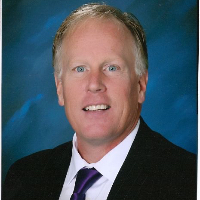
Michael Rhine is a licensed mental health counselor in Washington with 27 years of experience. He helps people who are feeling overwhelmed by anger, stress, anxiety, depression, addiction, or big life changes. His style is warm and direct, and he emphasizes respect and compassion in sessions.
He listens first to understand each person’s story and goals. Then he works with clients to build a clear plan that fits their day-to-day life.
Background and approach
That plan can include practical skills for managing strong emotions, strategies to reduce cravings, or tools to rebuild relationships. Michael draws from several well-known approaches, including cognitive behavioral techniques, acceptance and commitment ideas, and client-centered methods. He also uses elements from dialectical behavior and emotionally focused work when they match a client’s needs.
He does not rely on labels and avoids stigmatizing language. Over his career he has supported people dealing with trauma, attachment and family-of-origin concerns, caregiver stress, workplace problems, and the effects of adverse childhood experiences. He also offers coaching-style help for career or life-purpose questions.
Sessions are practical and focused on real-world change. People who want straightforward conversation and concrete skills tend to do well with him. He encourages honest questions and takes time to tailor the approach.
If someone is ready to start, he guides them through the first scheduling steps and the early work of setting goals.
What Michael works with
Everything Michael lists, in the therapist's own terms. Anger is the reason this directory exists; the rest tells you what usually sits alongside it in Michael's practice.
- Stress, Anxiety
- Addictions
- Trauma and abuse
- Parenting issues
- Compassion fatigue
- Relationship issues
- Family conflicts
- Anger management
- Self esteem
- Career difficulties
- Depression
- Coping with life changes
- Coaching
- ADHD
- Attachment issues
- Caregiver issues and stress
- Codependency
- Divorce and separation
- Drug and alcohol addiction
- Family of origin issues
- Family problems
- Fatherhood issues
- First responder issues
- Forgiveness
- Guilt and shame
- Life purpose
- Phobias
- Post-traumatic stress
- Workplace issues
Approaches Michael lists
- Acceptance and Commitment Therapy (ACT)
- Client-Centered Therapy
- Cognitive Behavioral Therapy (CBT)
- Dialectical Behavior Therapy (DBT)
- Emotionally-Focused Therapy (EFT)
- Mindfulness Therapy
- Solution-Focused Therapy
- Trauma-Focused Therapy
Listing an approach is not evidence of training in it. This directory copies what each therapist names and does not check training records.
How Michael’s approaches translate to online work
Acceptance and Commitment Therapy, or ACT, helps people notice unhelpful thoughts and choose actions that match their values. Online ACT sessions often use exercises and brief practices to build willingness to face difficult feelings while taking steps toward meaningful goals. Cognitive Behavioral Therapy, CBT, looks at the links between thoughts, feelings, and behavior and teaches concrete tools to change unhelpful patterns. Over video or phone, CBT sessions focus on measurable skills like grounding, thought records, and behavior experiments that can be practiced between meetings. Emotionally-Focused Therapy, or EFT, supports people in naming and processing strong emotions and improving how they connect with others; in remote sessions this can help someone learn new ways to respond during tense moments.Finding the right mix of approaches is part of the work. Michael will collaborate with each person to decide whether ACT, CBT, EFT, or other methods fit best for their goals and situation. He tailors the plan as progress unfolds and encourages feedback to adjust techniques and homework tasks.
Online formats include video calls, phone sessions, live chat, and text-based messaging, which make it easier to fit therapy around work, caregiving, or travel. Video lets for face-to-face conversation and skill practice, phone can be lower bandwidth, and messaging or live chat can be useful for short check-ins or when a text-based exercise is easier to manage. These options aim to make consistent work on anger, addiction, trauma, and daily coping more convenient and practical.
Questions people ask about Michael
What kinds of problems does Michael help with?
He works with stress, anxiety, depression, anger, addictions, trauma, parenting concerns, relationship and family issues, and related challenges like low self-esteem and workplace stress.
What is his therapeutic style like?
His approach is warm, interactive, and nonjudgmental. Sessions focus on listening, building practical skills, and developing a plan that fits daily life.
How long has he been practicing?
He has 27 years of counseling experience working with a wide range of concerns, including adverse childhood experiences and addictions.
What are his credentials and where is he based?
He is a Licensed Mental Health Counselor, LMHC, licensed in Washington and practicing in that state.
Are sessions offered in other languages or to international clients?
Sessions are offered in English. He is not accepting international clients.
What formats are used for sessions?
He meets by video calls, phone sessions, live chat, and text-based messaging to fit different schedules and needs.
How are sessions billed and what do they cost?
Cost varies with location and therapist availability; sessions use a subscription model that can be canceled at any time.
How do I begin working with him?
Start by selecting the Start Therapy button, complete a short matching questionnaire, and then schedule according to the therapist's availability.