Works with
- Anger
- Addictions
- Relationship issues
- Family conflicts
- Self esteem
- Depression
How Michael works
Practical facts
- Credentials
- LCSW
- Licensed in
- Tennessee
- Years in practice
- 17
- Languages
- English
- Session format
- Online, through our partner platform
About Michael
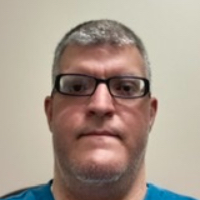
Michael Valdes is a Licensed Clinical Social Worker (LCSW) based in Tennessee who focuses on helping people manage strong emotions and difficult life changes. He listens without rush and helps people find practical ways to cope when anger, stress, or grief feel overwhelming. He draws on 17 years of practice to guide conversations that are straightforward and grounded.
Sessions aim to identify what matters most to the person and to build small, usable skills for daily life.
Background and approach
Michael uses approaches that teach breathing room around feelings and new ways to respond to triggers. His work addresses a wide range of concerns, including anxiety, depression, addictions, relationship and intimacy issues, trauma and abuse, ADHD, and career stress. He also supports people dealing with guilt, shame, abandonment, infidelity, and the strain that comes with caregiving and burnout.
In therapy he blends Acceptance and Commitment Therapy, Cognitive Behavioral ideas, Dialectical Behavior Therapy strategies, existential questions, and a client-centered stance. That mix helps people change unhelpful patterns while staying connected to their values and goals. Sessions are practical and paced to the individual.
Michael focuses on small experiments, clearer communication, and skills to manage emotions like anger. He aims to make progress feel manageable and relevant to everyday life.
What Michael works with
Everything Michael lists, in the therapist's own terms. Anger is the reason this directory exists; the rest tells you what usually sits alongside it in Michael's practice.
- Addictions
- Relationship issues
- Family conflicts
- Self esteem
- Depression
- Stress, Anxiety
- LGBT
- Trauma and abuse
- Grief
- Intimacy-related issues
- Anger management
- Career difficulties
- Bipolar disorder
- Coping with life changes
- Coaching
- Compassion fatigue
- ADHD
- Abandonment
- Attachment issues
- BDSM, kink, and alternative sex culture
- Cancer
- Commitment issues
- Communication problems
- Control issues
- Divorce and separation
- Drug and alcohol addiction
- Emptiness
- Family problems
- Forgiveness
- Guilt and shame
- Infidelity
- Jealousy
- Life purpose
- Men's issues
- Mood disorders
- Obsessions, compulsions, and OCD
- Panic disorder and panic attacks
- Personality disorders
- Phobias
- Postpartum depression
- Post-traumatic stress
- Process addiction (porn, exercise, gambling)
- Self-harm
- Self-love
- Sex addiction
- Sexual assault and abuse
- Sexuality
- Workplace issues
Approaches Michael lists
- Acceptance and Commitment Therapy (ACT)
- Client-Centered Therapy
- Cognitive Behavioral Therapy (CBT)
- Dialectical Behavior Therapy (DBT)
- Existential Therapy
- Mindfulness Therapy
- Motivational Interviewing
- Narrative Therapy
- Psychodynamic Therapy
- Solution-Focused Therapy
- Trauma-Focused Therapy
Listing an approach is not evidence of training in it. This directory copies what each therapist names and does not check training records.
How therapeutic approaches translate to online work
Acceptance and Commitment Therapy, or ACT, focuses on helping people notice difficult thoughts and feelings without getting ruled by them. It helps clarify personal values and guides small actions that move a person toward what matters. Cognitive Behavioral Therapy, CBT, looks at the links between thoughts, feelings, and behavior and teaches practical skills to shift unhelpful thinking and reactions. Dialectical Behavior Therapy, DBT, adds concrete emotion-regulation and distress-tolerance skills useful when anger or intense feelings arise.Figuring out the right approach is a collaborative process. The therapist will talk with the person about goals, try different techniques, and adjust the plan based on what fits best. Treatment can blend methods so work is tailored to specific concerns like anger, trauma, or addiction.
Online therapy offers flexible ways to meet. Video calls allow face-to-face work when skill practice and visual cues help. Phone sessions can be easier when bandwidth is limited or for shorter check-ins. Live chat and text-based messaging work well for brief coaching, skill reminders, or keeping momentum between sessions. These options make it simpler to fit therapy into busy days and to use the format that feels most comfortable.
Questions people ask about Michael
What concerns does he help with?
He works with a wide range of issues such as addiction, anxiety, depression, trauma and abuse, relationship and intimacy problems, grief, anger, ADHD, and career stress.
What is his general therapy style like?
Sessions are practical and person-focused, combining acceptance-based approaches, cognitive tools, and skills training to manage emotions and change patterns.
How much experience does he have?
Michael has 17 years of clinical experience providing psychotherapy and supporting people through life changes and emotional challenges.
What are his credentials and where is he located?
He is a Licensed Clinical Social Worker, LCSW, licensed in Tennessee.
Which languages and international options are available?
Sessions are offered in English and international clients are not currently accepted.
What session formats are offered?
Therapy is available by video calls, phone sessions, live chat, or text-based messaging to suit different needs and schedules.
How does payment work?
Costs vary with location and therapist availability; sessions use a subscription model that can be canceled at any time.
How do I begin working with him?
Start by selecting the Start Therapy button, complete a short matching questionnaire, and then schedule sessions according to therapist availability.