Works with
- Anger
- Stress, Anxiety
- Relationship issues
- Family conflicts
- Trauma and abuse
- Depression
How Michelle works
Practical facts
- Credentials
- LCSW
- Licensed in
- Alaska
- Years in practice
- 11
- Languages
- English
- Session format
- Online, through our partner platform
About Michelle
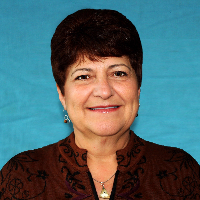
Michelle Lesagonicz is a licensed clinical social worker (LCSW) based in Alaska with 11 years of experience. She centers sessions on each person’s goals and preferences. Her approach focuses on practical steps people can use to manage stress, anger, anxiety, and life changes.
She uses client-centered methods to listen, reflect, and build a plan that fits the person in front of her. Cognitive Behavioral Therapy helps spot unhelpful thought patterns and replace them with more helpful actions.
Background and approach
Mindfulness techniques and simple meditation practices teach calm and reduce reactivity. Michelle works with adults who are coping with trauma, depression, addictions, sleep problems, or chronic pain. She also helps people who feel isolated, stuck in their career, or unsure about life direction.
Sessions include clear communication and collaborative goal setting to make progress between meetings. Practical tools are a common part of her work. That might mean learning breathing practices, setting small behavioral goals, or trying new ways to communicate under stress.
Motivational interviewing and solution-focused ideas are used when people want to change habits or make specific decisions. Her background in social work means she brings both real-world problem solving and emotional support. People can expect respectful listening, grounded feedback, and steps they can use right away.
Michelle invites prospective clients to begin by sharing what matters most to them so therapy can focus on achievable changes.
What Michelle works with
Everything Michelle lists, in the therapist's own terms. Anger is the reason this directory exists; the rest tells you what usually sits alongside it in Michelle's practice.
- Stress, Anxiety
- Relationship issues
- Family conflicts
- Trauma and abuse
- Depression
- Addictions
- Sleeping disorders
- Parenting issues
- Anger management
- Self esteem
- Bipolar disorder
- Coping with life changes
- Compassion fatigue
- Chronic pain, illness, and disability
- Communication problems
- Control issues
- Emptiness
- Family problems
- Isolation / loneliness
- Life purpose
- Midlife crisis
- Panic disorder and panic attacks
- Phobias
- Post-traumatic stress
- Seasonal Affective Disorder (SAD)
- Self-love
- Social anxiety and phobia
- Workplace issues
- Young adult issues
Approaches Michelle lists
- Client-Centered Therapy
- Cognitive Behavioral Therapy (CBT)
- Mindfulness Therapy
- Motivational Interviewing
- Solution-Focused Therapy
- Trauma-Focused Therapy
Listing an approach is not evidence of training in it. This directory copies what each therapist names and does not check training records.
How therapeutic approaches translate to online care
Client-Centered Therapy focuses on listening and building goals that matter to the person. Online sessions use this style by asking about priorities, checking in often, and adjusting plans to fit daily life. Cognitive Behavioral Therapy (CBT) looks at thoughts, feelings, and actions and works through specific exercises to change patterns. In online work CBT often includes homework, thought records, and brief behavioral experiments between sessions.Finding the right approach is part of the process. The therapist will work with each person to decide which methods to try first based on their goals and how they prefer to work. That collaborative process means techniques can be combined, adjusted, or shifted as progress is made.
Online formats include video calls, phone sessions, live chat, and text-based messaging. Video is useful for deeper conversations and real-time feedback. Phone sessions can be a good option when bandwidth is limited or a quieter check-in is needed. Live chat or text messaging make it easier to fit short reflections or urgent check-ins into a busy day. These options give flexibility so people can practice skills and get support in ways that fit their routines and comfort.
Questions people ask about Michelle
What issues does Michelle commonly address?
She helps people manage stress, anxiety, anger, depression, trauma, addictions, sleep problems, and coping with life changes.
What is her style of therapy like?
Her style is person-centered and collaborative, combining listening with practical tools from CBT, mindfulness, and solution-focused work.
How much clinical experience does she have?
She has worked as a licensed clinical social worker for 11 years with adults in therapeutic settings.
Where is she licensed and practicing?
She is a licensed clinical social worker (LCSW) in Alaska and provides services from that region.
Which languages are sessions offered in?
Sessions are offered in English.
What session formats are available online?
Sessions can be conducted by video calls, phone sessions, live chat, or text-based messaging to suit different needs.
How are fees and payment handled?
Costs vary with location and therapist availability; sessions use a subscription that can be canceled at any time.
How do I begin the process?
Start by selecting the Start Therapy button, completing a short matching questionnaire, and scheduling according to therapist availability.