Works with
- Anger
- Stress, Anxiety
- Addictions
- Family conflicts
- Trauma and abuse
- Depression
How Miranda works
Practical facts
- Credentials
- LCSW
- Licensed in
- Indiana
- Years in practice
- 7
- Languages
- English
- Session format
- Online, through our partner platform
About Miranda
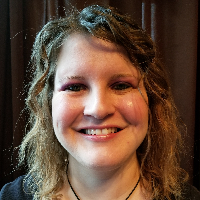
Miranda Kolde is an LCSW who helps people cope with stress, anxiety, anger, depression, addictions, and relationship struggles. She also supports people dealing with trauma, grief, parenting strain, intimacy concerns, career changes, and navigating major life transitions. Miranda writes plainly and listens for what matters most to each person.
She uses a client-centered, strengths-based approach. Sessions focus on practical steps, identifying resources, and building on what already works. Miranda draws on seven years of experience in community mental health to spot immediate needs and create clear, collaborative plans.
Background and approach
Miranda blends several methods in session. She offers tools from cognitive behavioral therapy to help change unhelpful thoughts and behaviors. She uses acceptance and commitment strategies to help people clarify values and take meaningful action.
Mindfulness and dialectical behavior ideas are woven into sessions to teach grounding, emotion regulation, and distress tolerance skills. Miranda can also incorporate hypnotherapy when it fits a person’s goals and comfort level. She often works at a person’s pace, focusing on safety and small, steady progress.
Her background includes work with domestic violence concerns, addressing communication, boundaries, and related safety issues. Miranda explains options clearly and adapts plans as needs change. People meet her when they want straightforward help managing intense feelings, rebuilding after loss or conflict, or reducing behaviors that cause harm.
She welcomes sessions in English and offers several formats to make therapy fit daily life.
What Miranda works with
Everything Miranda lists, in the therapist's own terms. Anger is the reason this directory exists; the rest tells you what usually sits alongside it in Miranda's practice.
- Stress, Anxiety
- Addictions
- Family conflicts
- Trauma and abuse
- Depression
- Relationship issues
- Grief
- Intimacy-related issues
- Parenting issues
- Anger management
- Self esteem
- Career difficulties
- Bipolar disorder
- Coping with life changes
- Abandonment
- Antisocial personality
- Attachment issues
- Autism and Asperger Syndrome
- Chronic pain, illness, and disability
- Co-morbidity
- Codependency
- Commitment issues
- Communication problems
- Control issues
- Dependent personality
- Disruptive Mood Dysregulation Disorder (DMDD)
- Dissociation
- Divorce and separation
- Domestic violence
- Drug and alcohol addiction
- Emptiness
- Family problems
- Forgiveness
- Gender dysphoria
- Guilt and shame
- Impulsivity
- Infidelity
- Intellectual disability
- Isolation / loneliness
- Jealousy
- Life purpose
- Money and financial issues
- Panic disorder and panic attacks
- Personality disorders
- Polyamory / non-monogamous relationships
- Post-traumatic stress
- Process addiction (porn, exercise, gambling)
- Seasonal Affective Disorder (SAD)
- Self-harm
- Sexual assault and abuse
- Sexuality
- Smoking / vaping cessation
- Social anxiety and phobia
- Workplace issues
- Young adult issues
Approaches Miranda lists
- Acceptance and Commitment Therapy (ACT)
- Client-Centered Therapy
- Cognitive Behavioral Therapy (CBT)
- Dialectical Behavior Therapy (DBT)
- Hypnotherapy
- Mindfulness Therapy
- Motivational Interviewing
- Solution-Focused Therapy
- Trauma-Focused Therapy
Listing an approach is not evidence of training in it. This directory copies what each therapist names and does not check training records.
How Miranda’s approaches fit online care
Acceptance and Commitment Therapy helps people identify what matters most and commit to actions that align with those values. It often involves exercises to notice thoughts and feelings without getting stuck, which can reduce avoidance and increase meaningful steps. Cognitive Behavioral Therapy focuses on spotting and shifting unhelpful thought patterns and behaviors. It usually includes clear skills and home practice like tracking thoughts, testing beliefs, and trying new behaviors between sessions. Dialectical Behavior Therapy contributes practical skills for managing intense emotions, improving relationships, and tolerating distress through grounding and emotion regulation techniques.Choosing the right approach is part of the work itself. Miranda collaborates with each person to decide which methods match their goals and comfort level. She adapts tools over time, combining techniques from ACT, CBT, or DBT as needed so the plan stays useful and realistic.
Online therapy can make that collaborative work easier to fit into daily life. Video calls are useful for longer sessions that need visual cues and shared exercises. Phone sessions or live chat can be a good option when bandwidth is limited or a quieter check-in is needed. Text-based messaging supports short updates, homework sharing, and ongoing coaching between appointments. These options help people practice skills in real settings and keep momentum between meetings.
Questions people ask about Miranda
What concerns does Miranda commonly help with?
She supports people with stress, anxiety, anger, depression, addictions, trauma, grief, relationship and intimacy issues, parenting strain, career transitions, and coping with life changes.
What is her general therapy style?
Her style is client-centered and strengths-based. Sessions focus on practical steps, identifying existing resources, and working at a comfortable pace.
How much experience does she bring?
She has seven years of experience, including work in community mental health settings where quick needs assessment and collaborative care planning were central.
What credentials and location are listed?
She is an LCSW and practices from Indiana.
Which languages and international clients are supported?
Sessions are offered in English and she accepts international clients.
What session formats are available?
Therapy is offered through video calls, phone sessions, live chat, and text-based messaging to fit different schedules and needs.
How does cost work?
Cost varies by location and therapist availability; sessions use a subscription model that can be canceled at any time.
What are the steps to begin working together?
Begin by selecting the Start Therapy button, completing a short matching questionnaire, and scheduling according to the therapist's availability.