Works with
How Monique works
Practical facts
- Credentials
- LCMHC
- Licensed in
- North Carolina
- Years in practice
- 6
- Languages
- English
- Session format
- Online, through our partner platform
About Monique
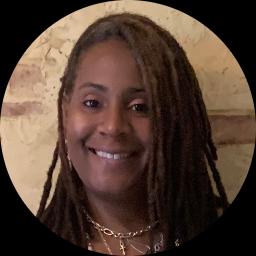
Monique Parr is a Licensed Clinical Mental Health Counselor (LCMHC) based in North Carolina with six years of counseling experience. She brings a long-standing interest in mental health and a clear focus on helping people who struggle with anger, stress, anxiety, depression, and related concerns. Monique emphasizes a respectful, person-centered way of working from the first conversation.
She uses straightforward, practical approaches in sessions. Clients can expect a mix of client-centered listening, cognitive behavioral tools to change unhelpful thoughts and behaviors, and attachment-informed work to look at relationship patterns.
Background and approach
Dialectical skills and Jungian ideas are also part of her toolbox when they fit a person's needs. Monique aims to build trust quickly and to create a warm, accepting space for people to talk through painful or confusing issues. She pays attention to how emotional, social, cultural, and spiritual factors affect a person's experience.
The goal is to support real choices and gradual change rather than quick fixes. She has experience across clinical and administrative roles that inform her attention to detail and organizational skills. That background helps her manage care in a practical, organized way while still focusing on the person in front of her.
Sessions may include skill practice, gentle exploration of past patterns, problem-solving, and planning for day-to-day coping. People often come for help with life transitions, grief, addictions, relationship struggles, and anger management. Monique aims to help each person find their own path toward more balance and self-understanding.
What Monique works with
Everything Monique lists, in the therapist's own terms. Anger is the reason this directory exists; the rest tells you what usually sits alongside it in Monique's practice.
- LGBT
- Trauma and abuse
- Self esteem
- Depression
- Coping with life changes
- Stress, Anxiety
- Addictions
- Relationship issues
- Family conflicts
- Grief
- Intimacy-related issues
- Eating disorders
- Sleeping disorders
- Parenting issues
- Anger management
- Career difficulties
- Bipolar disorder
- Coaching
- Compassion fatigue
- ADHD
- Abandonment
- Adoption and foster care
- Attachment issues
- Avoidant personality
- Blended family issues
- Body image
- Codependency
- Commitment issues
- Communication problems
- Control issues
- Coping with natural or human-caused disaster
- Disruptive Mood Dysregulation Disorder (DMDD)
- Divorce and separation
- Domestic violence
- Drug and alcohol addiction
- Emptiness
- Family problems
- Fatherhood issues
- Fertility issues
- Forgiveness
- Guilt and shame
- Impulsivity
- Infidelity
- Isolation / loneliness
- Jealousy
- Life purpose
- Men's issues
- Veteran and Armed Forces Issues
- Mood disorders
- Multicultural concerns
- Obsessions, compulsions, and OCD
- Panic disorder and panic attacks
- Paranoia
- Personality disorders
- Postpartum depression
- Post-traumatic stress
- Self-harm
- Self-love
- Sex addiction
- Sexual assault and abuse
- Sexual dysfunction
- Sexuality
- Smoking / vaping cessation
- Social anxiety and phobia
- Women's issues
Approaches Monique lists
- Attachment-Based Therapy
- Client-Centered Therapy
- Cognitive Behavioral Therapy (CBT)
- Dialectical Behavior Therapy (DBT)
- Jungian Therapy
- Mindfulness Therapy
- Motivational Interviewing
- Narrative Therapy
- Solution-Focused Therapy
- Trauma-Focused Therapy
Listing an approach is not evidence of training in it. This directory copies what each therapist names and does not check training records.
How therapeutic approaches translate to online care
Attachment-Based Therapy looks at how early relationships shape current ways of connecting. Online sessions can help people notice repeating patterns and practice new ways of relating in everyday life. Cognitive Behavioral Therapy, or CBT, focuses on changing thoughts and behaviors that keep problems going. It often involves homework, skill practice, and short exercises that translate well to video or text sessions. Client-Centered Therapy emphasizes empathic listening and meeting people where they are; this approach helps people feel heard and validated while they work toward goals.Choosing the right approach is collaborative. The therapist will talk with the client about goals, preferences, and what feels most helpful. That may mean mixing methods over time and adjusting the plan as progress and needs change.
Online work offers flexibility and practical options. Video calls allow face-to-face conversation and screen sharing for worksheets. Phone sessions need less bandwidth and can be easier when video isn’t possible. Live chat and text-based messaging are useful for short check-ins, coaching-style support, or when writing out thoughts feels clearer. These formats make it easier to fit therapy around work, school, or caregiving responsibilities.
Questions people ask about Monique
What kinds of concerns can I bring to therapy?
Monique works with a wide range of issues including anger, anxiety, depression, stress, trauma and abuse, substance use, relationship and intimacy concerns, grief, parenting and eating or sleeping problems.
How does she approach therapy sessions?
Her style blends client-centered listening with cognitive behavioral techniques and attachment-informed work. She uses practical skill building alongside reflective conversations to help people change patterns and cope day to day.
What is her professional background?
She has six years of counseling experience and prior roles in direct care and management. That mix supports both clinical attention and organized care coordination.
Where is she licensed and practicing?
She is licensed in North Carolina as a Licensed Clinical Mental Health Counselor (LCMHC) and provides services from that state.
Which languages are available for sessions?
Sessions are offered in English.
Can I work with her if I live outside the United States?
International clients are not currently accepted; services are provided to clients located where her North Carolina license permits practice.
What kinds of session formats are offered?
She offers video calls, phone sessions, live chat, and text-based messaging to fit different needs and schedules.
How do fees and scheduling work?
Cost varies with location and therapist availability and sessions use a subscription that can be canceled at any time. To begin, select the Start Therapy button, complete a short matching questionnaire, and schedule according to therapist availability.