Works with
- Anger
- Stress, Anxiety
- Family conflicts
- Trauma and abuse
- Parenting issues
- Depression
How Ralph works
Practical facts
- Credentials
- LCSW
- Licensed in
- North Carolina
- Years in practice
- 30
- Languages
- English
- Session format
- Online, through our partner platform
About Ralph
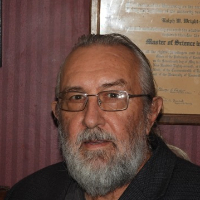
Ralph Murphy is a Licensed Clinical Social Worker (LCSW) based in North Carolina with 30 years of clinical experience. He focuses on helping people manage stress, anger, anxiety, depression, grief, addiction, and parenting challenges. He emphasizes practical steps people can use right away to feel steadier and more in control.
Ralph draws on client-centered work that starts with listening. He encourages people to tell their story and builds on the strengths he hears in their account.
Background and approach
Sessions often include clear goals and small, achievable tasks between meetings to keep progress moving. He also uses cognitive behavioral techniques to spot thought patterns that feed anxiety, anger, and low mood, then works with people to try new ways of thinking and behaving.
Motivational interviewing helps when someone is unsure about change or wrestling with addictions or habits that have grown hard to shift. Ralph has a background that includes social work and divinity studies, and he brings attention to emotional, intellectual, and spiritual concerns when clients want that addressed.
He has long experience with trauma and post-traumatic stress and aims to help people regain stability after painful events. People who come to Ralph can expect a calm, respectful approach that focuses on practical problem-solving. He frames therapy as collaborative work, helping clients set goals and take concrete steps toward them.
Many clients appreciate his steady manner and his focus on usable strategies.
What Ralph works with
Everything Ralph lists, in the therapist's own terms. Anger is the reason this directory exists; the rest tells you what usually sits alongside it in Ralph's practice.
- Stress, Anxiety
- Family conflicts
- Trauma and abuse
- Parenting issues
- Depression
- Addictions
- LGBT
- Relationship issues
- Grief
- Anger management
- Coaching
- Adoption and foster care
- Autism and Asperger Syndrome
- Drug and alcohol addiction
- Family problems
- Guilt and shame
- Men's issues
- Post-traumatic stress
- Self-harm
Approaches Ralph lists
- Client-Centered Therapy
- Cognitive Behavioral Therapy (CBT)
- Existential Therapy
- Motivational Interviewing
- Solution-Focused Therapy
- Trauma-Focused Therapy
Listing an approach is not evidence of training in it. This directory copies what each therapist names and does not check training records.
How therapeutic approaches translate to online care
Client-Centered Therapy focuses on listening and understanding a person’s experience. The therapist follows the person’s lead, reflects what they say, and helps them identify their own strengths and choices. This approach is useful when someone needs a supportive space to sort out feelings and priorities.Cognitive Behavioral Therapy, or CBT, looks at links between thoughts, feelings, and actions. It teaches practical skills to test unhelpful thoughts and try new behaviors, which can help with anxiety, anger, and low mood. Sessions often include small exercises to practice between meetings.
Finding the right approach is part of the work together. The therapist will discuss goals, preferences, and what feels most helpful, then adapt methods over time. That collaboration helps pick strategies that fit the person and the issue they brought.
Online formats include video calls, phone sessions, live chat, and text-based messaging. Video is useful for deeper conversation and visual cues. Phone sessions can be easier when bandwidth is limited or a shorter check-in is needed. Live chat and text messaging suit quick updates, notes between sessions, or people who prefer typing. These options make it easier to fit therapy around work, family, and daily life.
Questions people ask about Ralph
What concerns does Ralph help with?
He helps people facing stress, anxiety, depression, grief, anger, addictions, parenting worries, family problems, and related issues such as trauma and post-traumatic stress.
What is his therapeutic style like?
He uses a client-centered style that emphasizes listening, collaboration, and building on a person’s strengths while setting clear goals for change.
How much experience does he have?
He has worked in clinical practice for 30 years, including long involvement in family-focused and trauma-related work.
What are his credentials and where is he located?
He is a Licensed Clinical Social Worker, LCSW, licensed in North Carolina and practices from that state.
In what language are sessions offered?
Sessions are offered in English and international clients are not currently accepted.
Which session formats are available?
He offers video calls, phone sessions, live chat, and text-based messaging to suit different scheduling and communication needs.
How are costs and payment handled?
Costs vary by location and therapist availability; sessions use a subscription model that can be canceled at any time.
How do I begin working with him?
Use the Start Therapy button, complete a short matching questionnaire, and then schedule sessions according to the therapist’s availability.