Works with
- Anger
- Stress, Anxiety
- Relationship issues
- Family conflicts
- Intimacy-related issues
- Anger management
How Rasheed works
Practical facts
- Credentials
- LMFT
- Licensed in
- Indiana, Florida
- Years in practice
- 8
- Languages
- English, Yoruba
- Session format
- Online, through our partner platform
About Rasheed
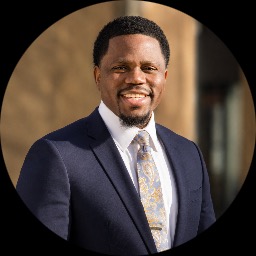
Rasheed Ojerinde is a licensed marriage and family therapist with eight years of experience. He practices in Indiana and brings a bicultural perspective to sessions. He speaks English and Yoruba and works with people facing stress, anxiety, depression, relationship and intimacy concerns, anger, trauma, and related challenges.
Rasheed draws on an integrative approach that centers the person's experience. He uses ideas from cognitive behavioral methods and emotionally-focused work to help people notice patterns and try new ways of responding.
Background and approach
Sessions emphasize clear goals, practical skills, and honest conversation about what is and isn't working. Clients can expect a collaborative style. Rasheed listens for cultural and life-context issues and adapts interventions to fit each person's background.
He often focuses on emotional regulation, communication, and understanding attachment patterns that affect relationships and self-worth. His background includes work in community mental health agencies, state clinics, hospitals, and day treatment settings. That range of settings shaped his focus on practical coping tools and on helping people manage co-occurring concerns like ADHD, mood disorders, and life transitions.
Rasheed offers several session formats, including video calls, phone sessions, live chat, and text messaging, and accepts international clients. He uses a subscription model for sessions that can be canceled at any time. To begin, people complete a short matching questionnaire and schedule according to availability.
What Rasheed works with
Everything Rasheed lists, in the therapist's own terms. Anger is the reason this directory exists; the rest tells you what usually sits alongside it in Rasheed's practice.
- Stress, Anxiety
- Relationship issues
- Family conflicts
- Intimacy-related issues
- Anger management
- LGBT
- Trauma and abuse
- Grief
- Parenting issues
- Self esteem
- Career difficulties
- Depression
- Coping with life changes
- ADHD
- Blended family issues
- Co-morbidity
- Commitment issues
- Communication problems
- Control issues
- Dependent personality
- Divorce and separation
- Emptiness
- Immigration issues
- Impulsivity
- Infidelity
- Isolation / loneliness
- Life purpose
- Men's issues
- Mood disorders
- Multicultural concerns
- Panic disorder and panic attacks
- Self-love
- Social anxiety and phobia
- Women's issues
- Workplace issues
- Young adult issues
Approaches Rasheed lists
- Attachment-Based Therapy
- Client-Centered Therapy
- Cognitive Behavioral Therapy (CBT)
- Dialectical Behavior Therapy (DBT)
- Emotionally-Focused Therapy (EFT)
- Existential Therapy
- Gottman Method
- Imago Relationship Therapy
- Mindfulness Therapy
- Motivational Interviewing
- Narrative Therapy
- Solution-Focused Therapy
Listing an approach is not evidence of training in it. This directory copies what each therapist names and does not check training records.
How Rasheed Uses Emotion and Cognitive Work Online
Rasheed commonly draws from cognitive behavioral therapy and emotionally-focused therapy in online sessions. Cognitive behavioral therapy helps people spot thought and behavior patterns that keep problems going and tests small changes to reduce anxiety, anger, or low mood. Emotionally-focused therapy centers on how feelings shape connections and helps people communicate and repair trust in close relationships.Finding the right approach is a collaborative process. Rasheed talks with each person about goals, life context, and what techniques feel useful. Together they try methods and adjust the plan based on what helps the person make steady progress toward clearer communication, better emotion regulation, or healthier routines.
Online formats include video calls, phone sessions, live chat, and text-based messaging to add flexibility. Video calls are good for face-to-face conversation and skill practice. Phone sessions can fit a short break or work schedule and need less bandwidth. Live chat or text messaging can be used for brief check-ins, ongoing support between sessions, or when writing helps organize thoughts. These options make it easier to keep therapy consistent while matching how a person prefers to connect.
Questions people ask about Rasheed
What kinds of problems can Rasheed help with?
He works with stress, anxiety, depression, anger, trauma, and relationship or intimacy concerns, plus related issues like parenting, grief, and career stress.
What is his therapeutic style like?
Rasheed practices in an integrative, collaborative way that blends client-centered listening with cognitive and emotion-focused techniques to build skills and insight.
How much clinical experience does he have?
He has eight years of experience working in settings such as community mental health, state clinics, hospitals, and day treatment programs.
Where is Rasheed licensed and located?
He is a licensed marriage and family therapist (LMFT) licensed in Florida and Indiana and is based in Indiana.
Which languages are supported in sessions?
Sessions are offered in English and Yoruba, and he also accepts international clients.
What session formats are available?
He offers video calls, phone sessions, live chat, and text-based messaging to fit different schedules and needs.
How does payment and cost work?
Cost varies with location and therapist availability; sessions use a subscription that can be canceled at any time.
How do I start working with him?
Begin by selecting the Start Therapy button, completing a short matching questionnaire, and scheduling based on the therapist's availability.