Works with
- Anger
- Stress, Anxiety
- Addictions
- Anger management
- Self esteem
- Depression
How Richard works
Practical facts
- Credentials
- LCMHC
- Licensed in
- North Carolina
- Years in practice
- 5
- Languages
- English
- Session format
- Online, through our partner platform
About Richard
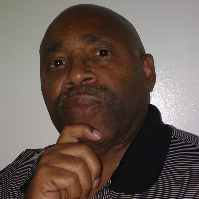
Richard McDonald is a licensed clinical mental health counselor (LCMHC) in North Carolina who helps people manage stress, anxiety, anger, addictions, and mood concerns. He also supports those coping with relationship strain, grief, trauma, parenting pressures, and life changes. He brings a practical, direct style and focuses on skills people can use between sessions.
Richard uses straightforward talk and evidence-based methods to guide problem solving. Sessions are collaborative - he listens, helps set goals, and teaches tools for managing intense feelings and urges.
Background and approach
He emphasizes mindfulness and coping skills that apply to daily life. He has five years of counseling experience and a background that includes work across human services. That experience informs a flexible approach for people facing trauma, substance concerns, or recurring mood challenges.
He explains steps clearly and checks progress as work continues. Richard blends cognitive and acceptance-based methods with client-centered care. That combination supports changing unhelpful thoughts, increasing emotional regulation, and clarifying values.
He also uses motivational techniques to support change when addiction or avoidance are present. Sessions are offered in English and are delivered online through video, phone, live chat, or text messaging. Richard works with adults on issues such as panic attacks, bipolar mood shifts, parenting stress, multicultural concerns, and recovering from abuse.
He aims to make each plan practical, measurable, and relevant to a person’s daily routine.
What Richard works with
Everything Richard lists, in the therapist's own terms. Anger is the reason this directory exists; the rest tells you what usually sits alongside it in Richard's practice.
- Stress, Anxiety
- Addictions
- Anger management
- Self esteem
- Depression
- Relationship issues
- Family conflicts
- Trauma and abuse
- Grief
- Parenting issues
- Bipolar disorder
- Coping with life changes
- Adoption and foster care
- Antisocial personality
- Caregiver issues and stress
- Disruptive Mood Dysregulation Disorder (DMDD)
- Drug and alcohol addiction
- Family problems
- Guilt and shame
- Impulsivity
- Life purpose
- Men's issues
- Money and financial issues
- Mood disorders
- Multicultural concerns
- Panic disorder and panic attacks
- Post-traumatic stress
- Prejudice and discrimination
- Social anxiety and phobia
Approaches Richard lists
- Acceptance and Commitment Therapy (ACT)
- Client-Centered Therapy
- Cognitive Behavioral Therapy (CBT)
- Dialectical Behavior Therapy (DBT)
- Mindfulness Therapy
- Motivational Interviewing
- Solution-Focused Therapy
- Trauma-Focused Therapy
Listing an approach is not evidence of training in it. This directory copies what each therapist names and does not check training records.
How therapeutic approaches translate to online work
Acceptance and Commitment Therapy (ACT) focuses on helping people clarify what matters to them and take action toward those values, even when unpleasant thoughts or feelings arise; it’s useful for anxiety, anger, and life transitions. Cognitive Behavioral Therapy (CBT) targets the thoughts and behaviors that keep problems going by teaching practical exercises to change unhelpful patterns and reduce symptoms like panic or depression. Mindfulness Therapy emphasizes present-moment awareness and simple attention practices to reduce reactivity and improve emotional regulation, which supports coping with stress and trauma.Finding the right mix of approaches is part of the work. The therapist will collaborate with each person to identify goals, try techniques, and adjust based on what helps most. That means sessions can include skills practice, behavioral experiments, and values-based planning until a good fit emerges.
Online therapy offers flexible ways to connect. Video calls let people work face-to-face from different locations, phone sessions can be easier when bandwidth is limited, live chat suits shorter check-ins or lower-pressure conversations, and text-based messaging supports ongoing coaching between appointments. These options make it easier to fit counseling into a busy life and to keep practicing skills when they matter most.
Questions people ask about Richard
What concerns does Richard help with?
He supports people dealing with stress, anxiety, anger, depression, addictions, relationship and family problems, trauma and grief, parenting strain, bipolar and mood disorders, and coping with life changes.
What is his therapy style like?
His approach is practical and collaborative. He listens, helps set goals, and teaches tools people can use between sessions to manage emotions and impulses.
How much counseling experience does he have?
Richard has five years of counseling experience and additional background working in human services, which informs his work with trauma, addiction, and mood concerns.
What credentials and location are listed?
He holds the LCMHC credential and practices in North Carolina.
Which languages are sessions offered in?
Sessions are offered in English.
What session formats are available?
He provides video calls, phone sessions, live chat, and text-based messaging to fit different scheduling needs.
How are sessions paid for and what does it cost?
Cost varies with location and therapist availability; sessions use a subscription model that can be canceled at any time.
How do I begin working with him?
Start by selecting the Start Therapy button, complete a short matching questionnaire, and schedule sessions according to the therapist's availability.